
Spain’s Ceuta migrant returns under fire as Moroccan man says he was sent back without explanation
Azhaar Chaouni thought he was being taken to a reception centre in Ceuta. The Moroccan man says he was sent back to his country without explanation. In a new investigation, Reuters reports his account and allegations by several NGOs about the methods used by Spanish authorities.
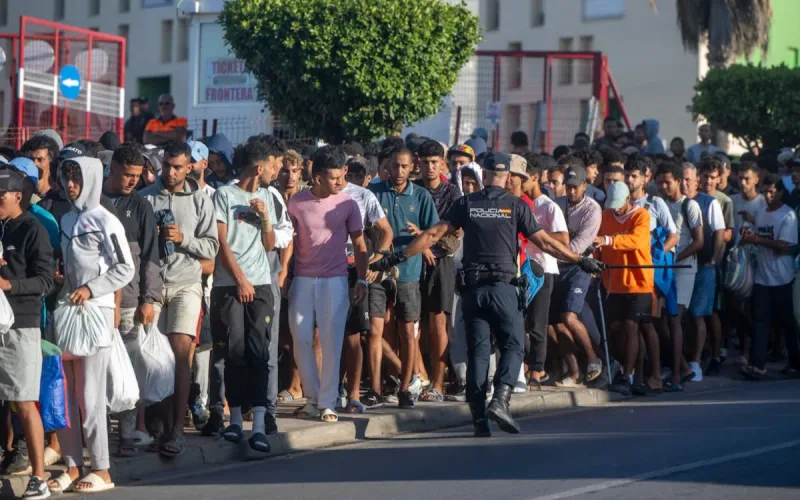
“They expelled us without explanation,” Azhaar Chaouni wrote to volunteers with the German NGO Mission Lifeline. Spanish police had put him on a bus with other migrants staying on a beach in Ceuta. The group thought they were being taken to a reception centre. The journey ended in Morocco, reports Reuters, which reviewed the young man’s messages.
On Bladi.net : Moroccan Migrants Say Spain Deceived Them Into Returning Across the Border
His account echoes those of other migrants who have reported similar transfers from camps in Ceuta. Reuters gathered more than twenty accounts from migrants, lawyers, aid groups and security forces to investigate return operations to Morocco.
12,000 returns to Morocco as NGOs denounce pressure
The Spanish government says 12,000 migrants have voluntarily returned to Morocco since mid-August. Interior Minister Fernando Grande-Marlaska rejects allegations of covert expulsions. He says 1,200 asylum applications have been filed and 700 have already been processed.
But at least nine NGOs interviewed or cited by Reuters dispute whether some returns were voluntary. Eight organisations, including Amnesty International and Oxfam, have filed a complaint with Spain’s Ombudsman. They denounce, in particular, expulsions without individual assessments, as well as difficulties accessing lawyers and interpreters.
On Bladi.net : Spain is preparing an emergency law to return many more migrants to Morocco much faster
The situation remains particularly tense in Ceuta. According to a representative of the Spanish police union, between 7,000 and 8,000 migrants are still there. As of October 14, the relevant services were registering only about a hundred cases a day. The union estimates that processing applications could continue until next summer.
The organisations are calling for individual assessments, particularly for people seeking international protection. The European Union’s classification of Morocco as a safe country of origin allows some procedures to be expedited, while each applicant retains the right to submit their case.