Moroccan Migrants Say Spain Deceived Them Into Returning Across the Border
Moroccans evacuated from a camp in Sebta accuse Spanish police of deceiving them into returning to Morocco. Their accounts have sparked controversy in Madrid, where associations are denouncing returns presented as voluntary.

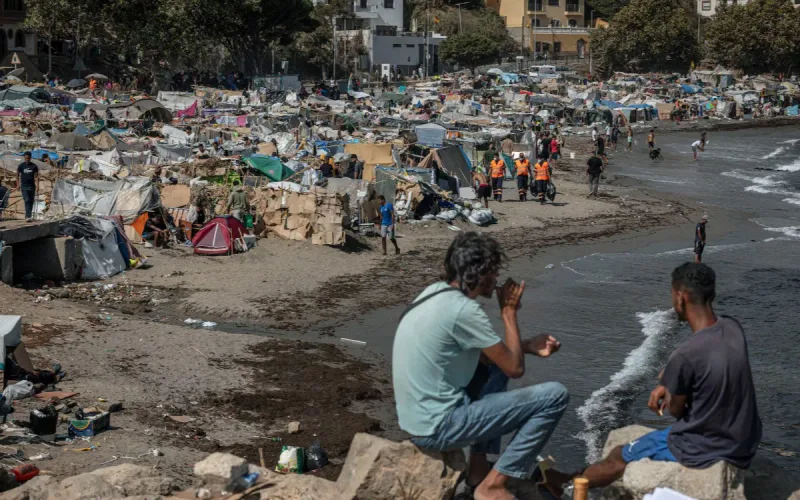
“It’s the biggest deception of my life.” At 21, Taha thought he would finally be leaving the beach in Sebta, where he had been surviving for 65 days. Interpreters had assured him that a bus would take him to a Spanish government reception center. Instead, the vehicle took him to the Moroccan border. Now back in Morocco, the young man accuses the Spanish authorities of deporting him against his will.
On Bladi.net : 48 days on the streets of Sebta: Saad ultimately chooses to return to Morocco
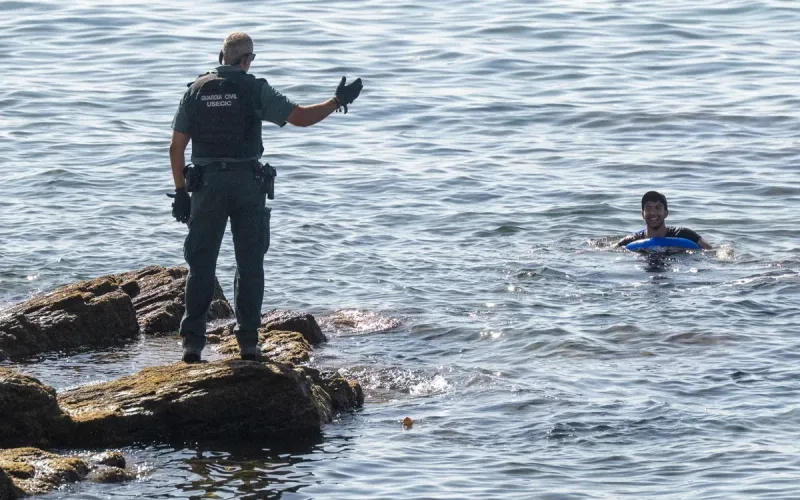
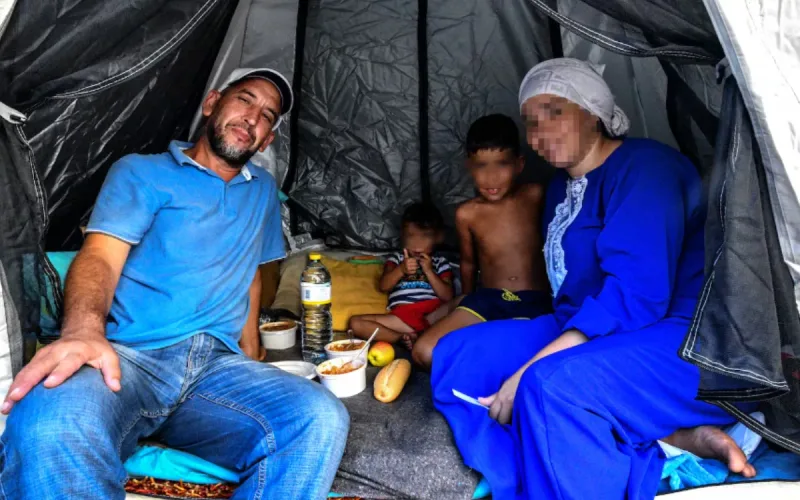
His account, collected by the Spanish newspaper elDiario.es, echoes those of around a dozen other Moroccans evacuated in early October from Trampolín beach. They had all spent several weeks in makeshift shelters after reaching Sebta by swimming in late July. When police moved in to dismantle the camp, people wearing vests from the Engloba association reportedly promised them official accommodation.
Hassan, who is from Casablanca, says he received the same assurances. After spending two months on the beach, he thought he was being taken to facilities where the authorities would take his fingerprints before assigning him a place in a tent. But when he arrived at the border, an interpreter reportedly told him he was being sent back to Morocco. He says he tried to explain his situation and raise the possibility of applying for asylum, but was not heard.
The accounts differ radically. Spain’s Interior Ministry maintains that migrants taken to the Tarajal facilities could choose between an identification procedure and a voluntary return to Morocco. Several of those involved dispute that they were given this option. Taha even says he asked for asylum before leaving, but was unable to begin the process.
“It wasn’t voluntary”: Accounts mount
Returning to Morocco does not always mark the end of their journey. Taha says Moroccan authorities took him to Béni Mellal, although he lives near Tangier. He had to pay for his own trip to get back to his city. Other young men reportedly remained there, without money to get home. Ahmed, who also spoke to radio Cadena SER, describes a similar transfer covering several hundred kilometers.
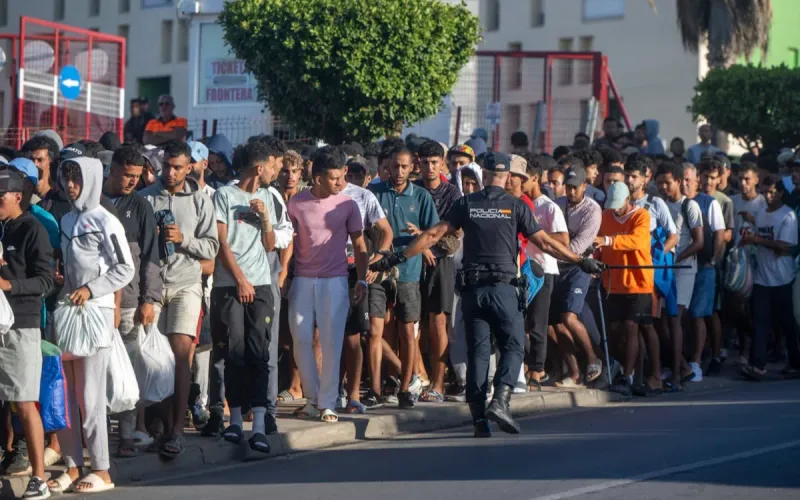
The case took on a new dimension on Tuesday, October 13. Several organizations, including Amnesty International, Oxfam Intermón and Red Acoge, filed a complaint with Spain’s Ombudsman. In their joint statement, they denounce difficulties accessing asylum, problems with interpretation and a lack of information about return procedures. In particular, they question the circumstances surrounding some 2,500 returns presented as voluntary in a single week.
On Bladi.net : Moroccan Mother and Five Daughters Find Shelter in Ceuta After Father’s Expulsion
The controversy has now become political. On Tuesday, Ione Belarra, general secretary of Podemos, accused Pedro Sánchez’s government of having migrants captured “through deception” so they could be illegally deported. She also amplified allegations of an agreement between Madrid and Rabat on these returns, although no such arrangement has been established in the information made public.
The associations are now calling for returns to be suspended when people have expressed a wish to seek asylum, for effective access to lawyers and interpreters, and for the instructions governing deportations in Sebta to be published. Above all, they are asking the Ombudsman to investigate the procedures used at the Moroccan border.