Sahara: the UN resolution boosts Morocco's economic ambitions in Dakhla and Laâyoune
The recent support of the UN Security Council for the Moroccan autonomy plan for the Sahara is seen as a major catalyst for Rabat’s economic ambitions. This diplomatic progress consolidates an investment strategy of several billion euros aimed at transforming the region into a logistics platform oriented towards sub-Saharan Africa.
The resolution adopted last Friday, which takes the Moroccan initiative as the basis of the political process, partially lifts the legal uncertainty that was slowing down foreign investments, writes EFE. The Polisario Front had indeed carried out several legal offensives against Morocco’s trade agreements, such as the one on fishing with the European Union, creating an unstable climate for businesses.
With the growing support of countries like the United States, France, Germany and Spain for the autonomy plan, international interest in the area has increased. Washington has committed to facilitating the participation of American companies in local projects, while Paris has announced investments and the financing of several fishing ports in the region.
8 billion euros for a hub towards the Sahel
For the past decade, Morocco has invested more than 8 billion euros in major infrastructure projects in Western Sahara. The objective is to stimulate local development and defend its sovereignty over this territory rich in phosphates and fishery resources. These investments have already doubled the region’s GDP, which now exceeds 3 billion euros, according to official data.
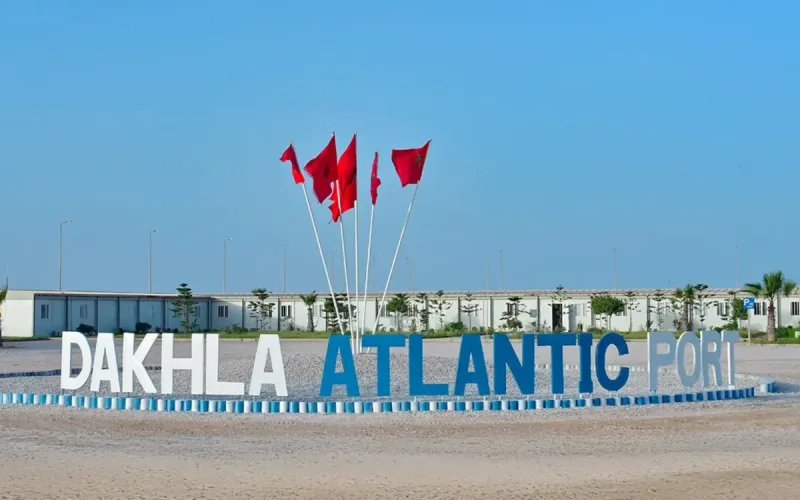
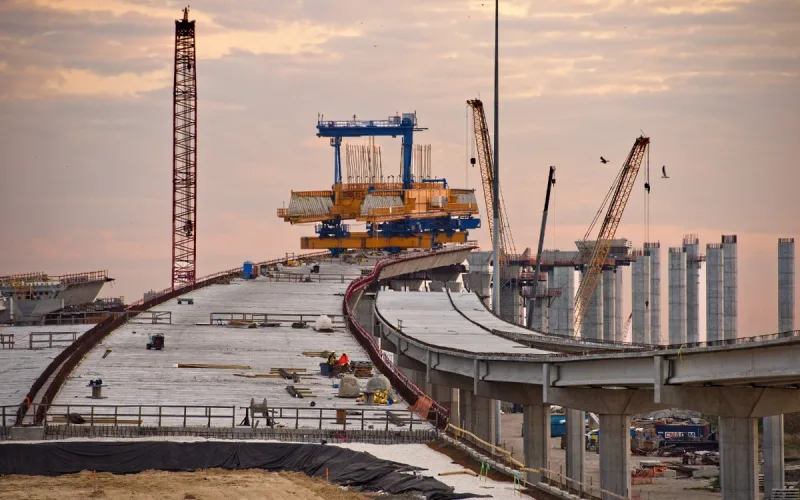
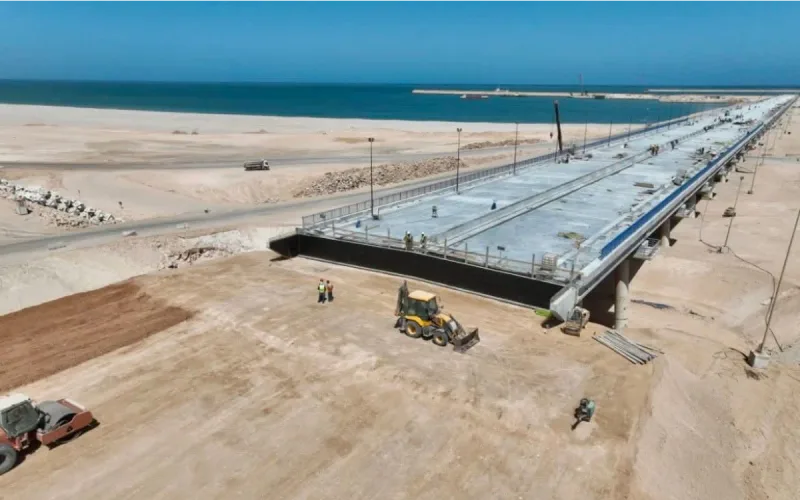
Dakhla is at the center of this transformation, with the construction of a mega-port scheduled to open in 2029 and a 1,000-kilometer expressway connecting it to Tiznit. In Laâyoune, a medical school and training centers have been opened. At the same time, high value-added projects in renewable energies and green hydrogen are underway, with an installed capacity of 3 gigawatts.
To attract capital, Morocco offers significant tax incentives. The stated ambition is to create a bridge between the Atlantic and West Africa, by offering countries in the Sahel, such as Mali or Niger, access to international markets through these new logistics infrastructures.