Sahara: Morocco in a position of strength facing a "abandoned" and resource-less Polisario
The resolution 2797 adopted on October 31 by the UN Security Council, validating the autonomy plan for the Sahara proposed by Morocco in 2007, marks a major turning point in the resolution of this conflict that has lasted for decades. All eyes are now turned to Morocco, which holds all the cards to administer this territory.
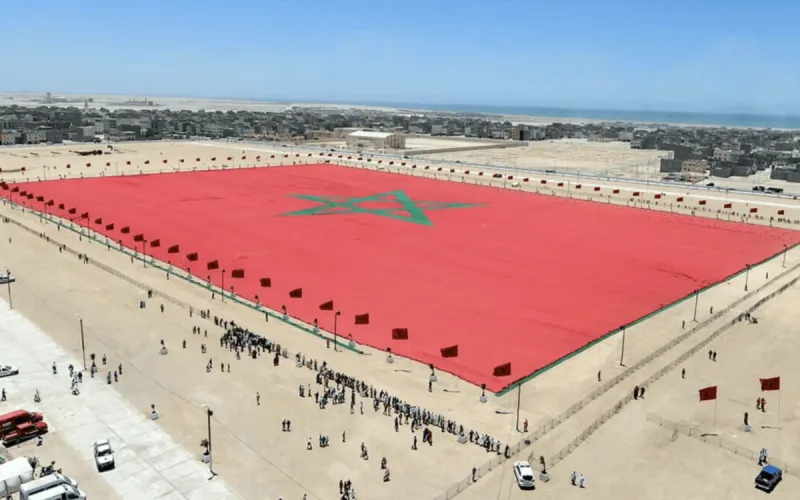
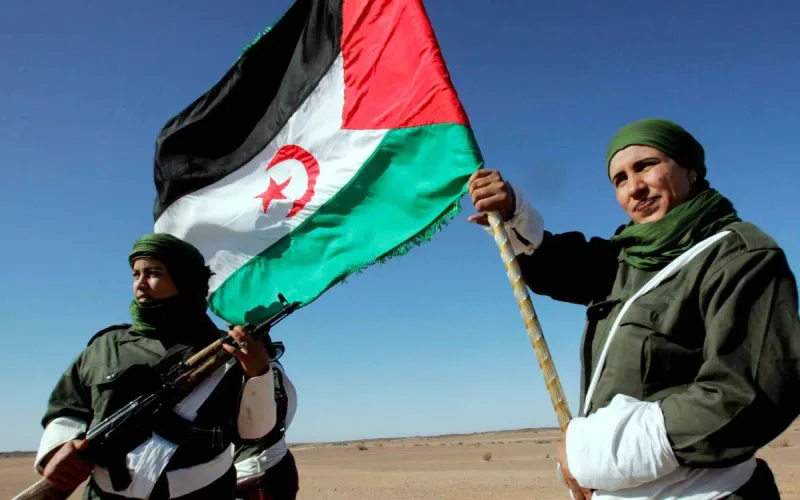
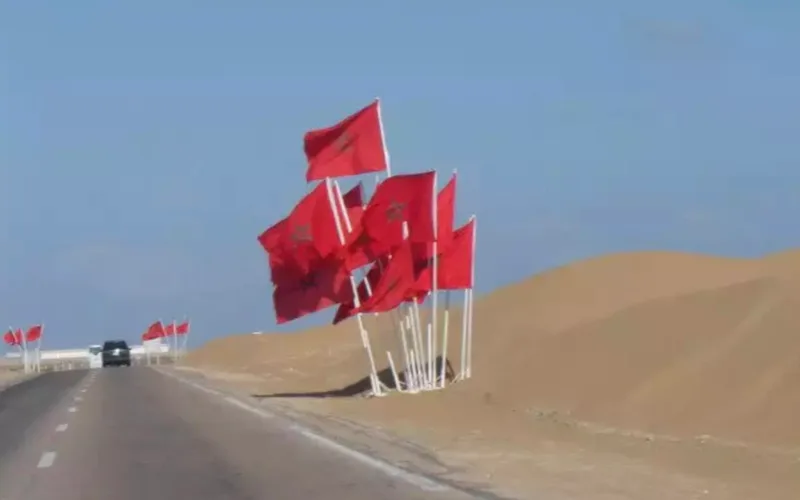
This UN resolution gives Morocco a free hand, which, since the Green March, has succeeded in extending its sovereignty over the Sahara and, since 1991, in maintaining control over 80% of the 266,000 km² that cover this former Spanish colony. With the support of the United States, which provides it with state-of-the-art military equipment, Rabat has a wide military superiority over the Polisario, which is vainly trying to gain the upper hand.
On the political level, Morocco also has a head start. Under the leadership of King Mohammed VI, the authorities have managed to rally the different sensibilities of the kingdom around the Moroccanness of the Sahara. Added to this are increased investments in the southern provinces, aimed at attracting investors and offering better living conditions to the Sahrawis. Without sufficient economic resources and politically abandoned, the Polisario does not have the means and the capacity to meet the political needs and expectations of the Sahrawis, analyzes the Real Instituto El Cano.
At the diplomatic level, the Polisario does not weigh much against Morocco either. Its position within the African Union has weakened over time, while that of Morocco has been strengthened, especially since 2017 when the latter decided to join the organization. At the international level, Rabat enjoys the support of Washington, Paris, Madrid, London and Berlin, which have already recognized its sovereignty over the Sahara. The Sahrawi Arab Democratic Republic (SADR), on the other hand, is currently recognized by only 47 countries.
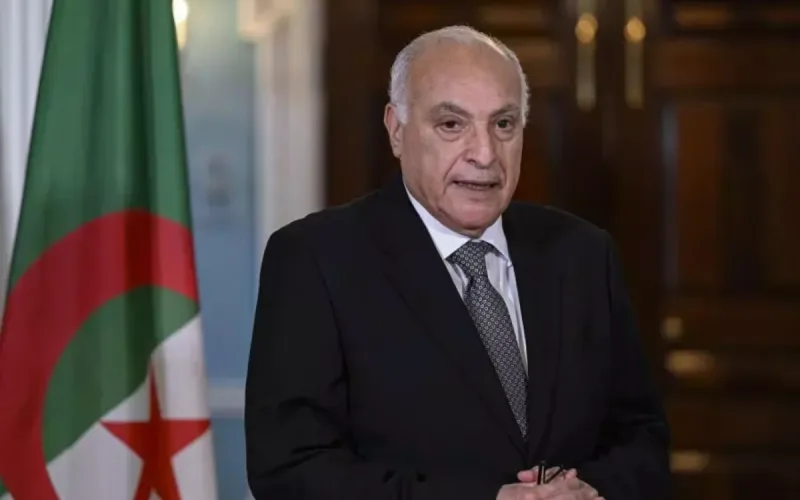
The resolution on the Sahara in favor of Morocco was voted by 11 countries, while Russia and China (as well as Pakistan) abstained. Algeria, a member of the Security Council this year, chose not to participate in the vote, thus expressing its disagreement. With this resolution, Morocco could further extend its sovereignty over this territory, even though the International Court of Justice had already established in 1975 that there was no link of Moroccan sovereignty over this territory and the Court of Justice of the European Union clearly indicated in 2024 that it was a territory "separate and distinct" from Morocco.