Sahara at the UN: the very decisive intervention of King Mohammed VI
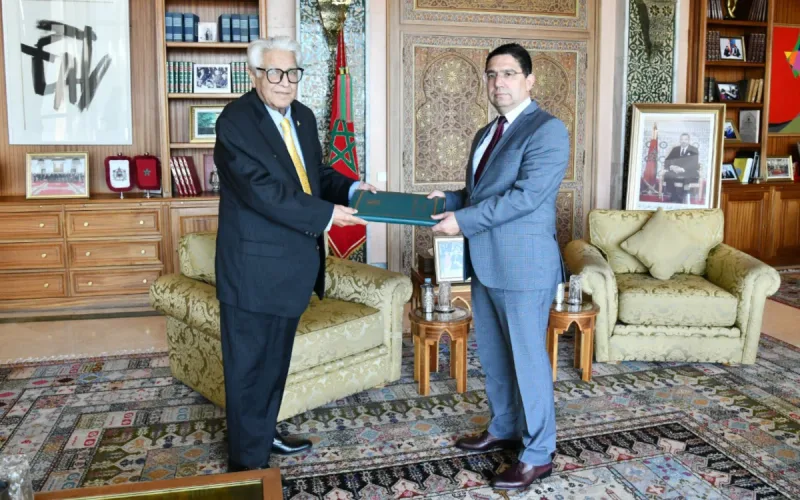
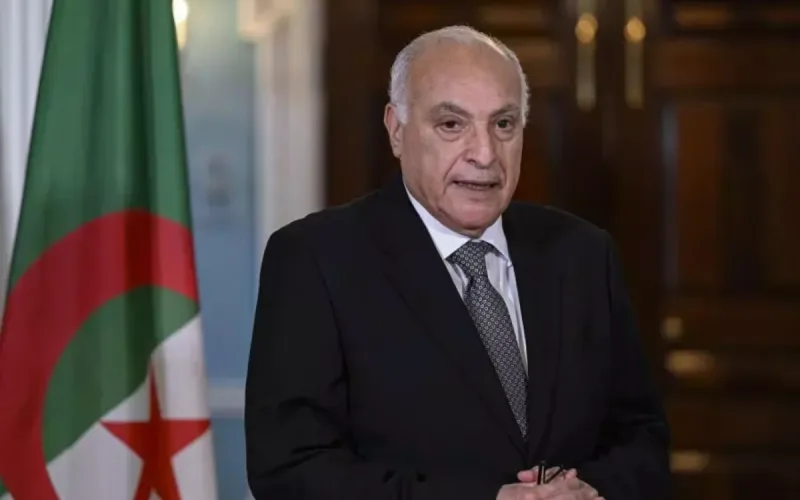
Nasser Bourita, the Moroccan Minister of Foreign Affairs, stated that Morocco’s diplomatic victory on the Sahara issue was achieved thanks to the leadership of King Mohammed VI who conducted "several direct contacts" before the vote on the Security Council resolution, which allowed "to tip the balance in favor of Morocco".
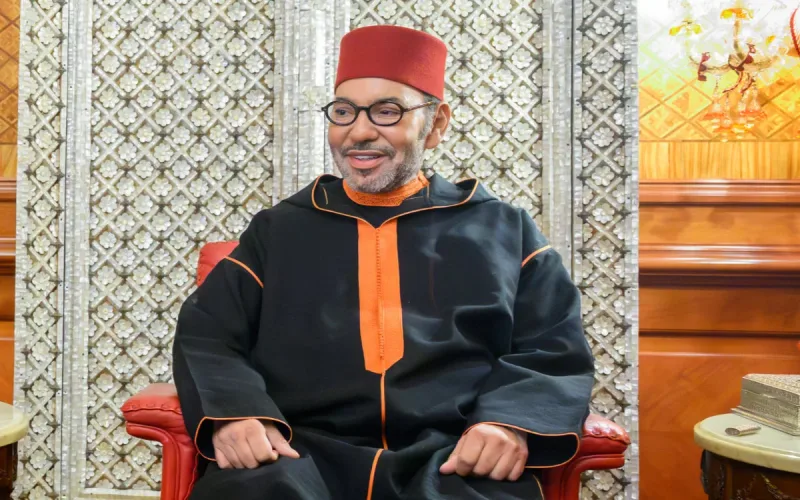
The Sovereign initiated these exchanges "five or six days before" the Security Council session, Bourita confided in an interview with 2M on Saturday, specifying that "the King has always defended a diplomacy of seriousness and action, and not of speeches." "In 2015, he went to China, then to Russia in 2016... These links, it is today that they bear fruit."
The head of Moroccan diplomacy revealed that obtaining 11 favorable votes for the resolution "was not an easy task", stressing that King Mohammed VI worked with France and other key partners to achieve this result. The monarch reminded them that the Sahara issue is the prism through which Morocco perceives the world. "The States have understood that it is no longer possible to remain in ambiguity or neutrality: the moment of truth has come with Morocco," he explained. He also insisted on the fact that today’s Morocco "acts with confidence and firmness when it comes to its essential interests, and no longer tolerates error."
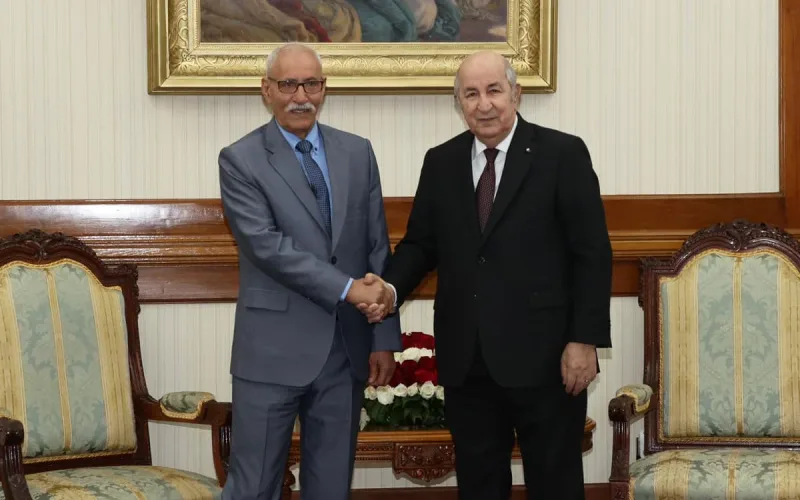
Nasser Bourita also noted that the vote on this resolution was not a foregone conclusion, given the current composition of the Security Council. "Algeria, a party to the conflict, sits on the Council - which only happens once every twenty years," he said, adding that in addition to Algeria, the current Council includes "less close members such as Slovenia, Greece, Denmark, Pakistan or Guyana." And he revealed: "The 11 favorable votes, the King won them one by one. He intervened personally until the obtainment of nine decisive votes, after five to six days of direct exchanges with foreign leaders."
"The United States, the United Kingdom and France are now the pillars of the transition to the next stage. Sierra Leone is a constant ally, and Panama’s withdrawal of its recognition of the Polisario also played a role," the Moroccan minister also said, explaining that "when we reached nine votes, the tenth and eleventh naturally followed." Regarding the abstentions of China and Russia, he explained that these two countries "have permanent frictions with the United States, the drafter of the draft resolution," but specified that "if Russia abstained, it was for the King and for Morocco."
According to him, Morocco "has adopted a balanced position in the conflict in Ukraine, which Moscow has not forgotten." Bourita expressed confidence in the next composition of the Security Council. "In 2026, Bahrain, Liberia and the Democratic Republic of the Congo - allies of Morocco - will join," he rejoiced, before concluding: "The essential thing is there: a resolution adopted without veto, without opposition, and consecrating the justness of Morocco’s positioning under the leadership of His Majesty King Mohammed VI."