Sahara: "Algeria was on the verge of voting for the resolution
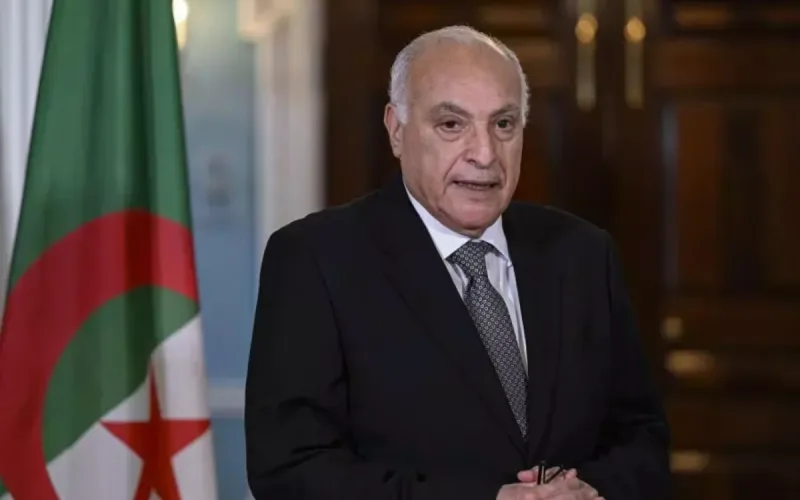
The Algerian Minister of Foreign Affairs, Ahmed Attaf, spoke about the recent adoption by the UN Security Council of a resolution on the Sahara in favor of Morocco, admitting that his country was "on the verge of voting" for this text.
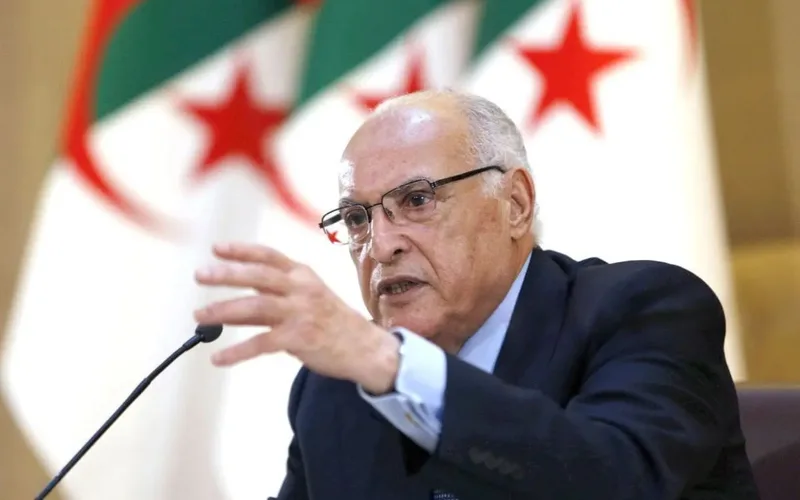
Ahmed Attaf revealed that "Algeria was on the verge of voting for the resolution" on the Sahara. "On the night before the vote, we asked to remove a provision relating to Moroccan sovereignty in the preamble of the resolution, and we would vote for the text. It was not removed. That’s why Algeria did not participate in the vote," the Algerian official said.
The Algerian Foreign Minister accused Rabat of wanting to "carry out an unprecedented forced passage" on this issue. "Morocco wanted to get across three ideas that are particularly close to its heart," said Ahmed Attaf. "The first is the dismantling of MINURSO or the radical transformation of its mission, the second is to impose the autonomy plan as the sole and exclusive solution to the Western Sahara problem, and the third is to definitively kill the idea of a self-determination referendum in Western Sahara. This is what was behind the particular enthusiasm we have perceived this year around Western Sahara," Ahmed Attaf summarized.
The Algerian minister recalled the objectives of Morocco specified in the draft resolution, which provided for limiting the MINURSO mandate to "three months" instead of a year. "Then, we would proceed either with its dismantling or to transform its mandate to support the implementation of the autonomy plan as Morocco wished. This is the first element of imbalance. Secondly, the Moroccan autonomy plan was considered as the exclusive and sole framework for the settlement of the Western Sahara issue. The right to self-determination itself was inserted within the framework of the autonomy plan," he continued.
But in the adopted resolution, the principle of Moroccan sovereignty over the Sahara that Morocco would have tried to impose has been "expunged," says Ahmed Attaf. "There is no reference to Moroccan sovereignty, nor to the Moroccan state" in the final text. And he added: "Thirdly, the autonomy plan is no longer the exclusive framework. The field has been opened to other ideas and other alternative plans. The right to self-determination has been decoupled from the autonomy plan. It must be exercised in accordance with international legality. Fourthly, the MINURSO that Morocco wanted to dismantle or transform has seen its mandate extended for one year."