
Prickly Pear Luxury Fruit Morocco Prices Rise
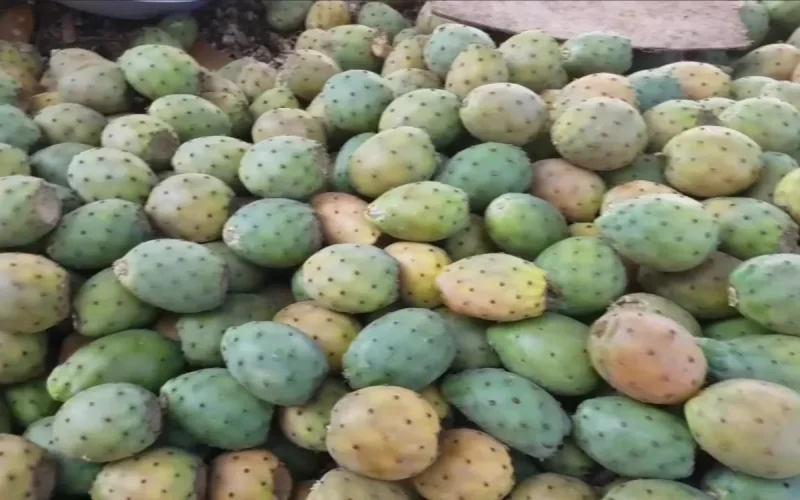
Once a popular and affordable fruit, the prickly pear is now selling for up to 6 dirhams per unit in certain Moroccan cities. This price increase is reigniting the debate over pricing, even as production is beginning to recover.
The prickly pear, commonly called "hendia" in Morocco, no longer resembles the affordable summer treat it once was. On several markets, its price currently ranges between 3 and 6 dirhams per unit, depending on quality, size, and product availability.
On Bladi.net : Morocco Prickly Pear Luxury Crisis: Prices Skyrocket
This increase is partly explained by the lingering effects of cochineal, which severely affected historic production areas, particularly Aït Baamrane, in Sidi Ifni province. For several years, this disease reduced supply and disrupted the balance of a once highly popular market.
According to industry sources, prices are also linked to the start of the season. During this period, demand often exceeds available supply, before a possible rebalancing occurs with the arrival of new quantities on wholesale markets.
Prices deemed excessive at retail level
In certain wholesale markets, the price per carton ranges between 200 and 350 dirhams. Per kilogram, the prickly pear is offered between 10 and 20 dirhams. For industry professionals, these levels do not always justify the prices charged by some retail vendors.
The sale at 6 dirhams per unit is thus considered excessive by market players, who believe that wholesale prices remain relatively stable. The problem therefore appears to stem mainly from the margin applied in the final stage, between the wholesale market and the consumer.
The situation could however evolve in the coming weeks. Cultivated areas have increased this season and several farms have launched or relaunched prickly pear production. New shipments are expected on markets, which could help bring prices down.
On Bladi.net : Prickly Pear Prices Soar in Morocco as Demand Outpaces Supply
In the meantime, the prickly pear remains sold at unusual levels for many Moroccan consumers. A fruit once associated with popular summers is now found, in certain cities, at the price of an almost luxury product.
Related Articles
-

MRE: this mistake when buying in Morocco can block the repatriation of your money
18 September 2026
-

One ship every five minutes between Morocco and Spain: Rabat seeks new rules for straits
18 September 2026
-

8.2 million dirhams for new vehicles tasked with monitoring Moroccan airport runways
18 September 2026
-

2030 World Cup: Fitch warns Morocco that cost overruns could increase its debt
18 September 2026
-

Six stations for 480 million dirhams: the LGV project transforms the Kénitra–Casablanca corridor
17 September 2026