Drug Kingpin's Gambit: El Ballouti Seeks Plea Deal in Massive Cocaine Case
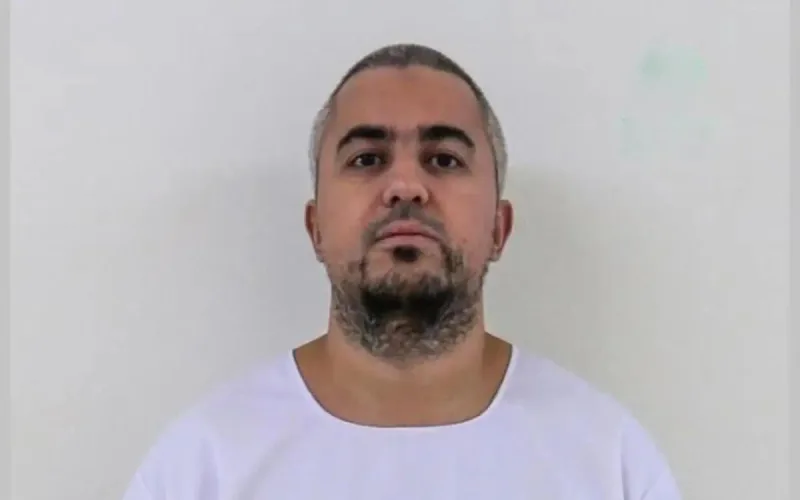
The Moroccan-origin drug trafficker Othman El Ballouti, arrested in early December 2024 in Dubai, United Arab Emirates and extradited to Belgium, intends to plead guilty in exchange for a reduced sentence.
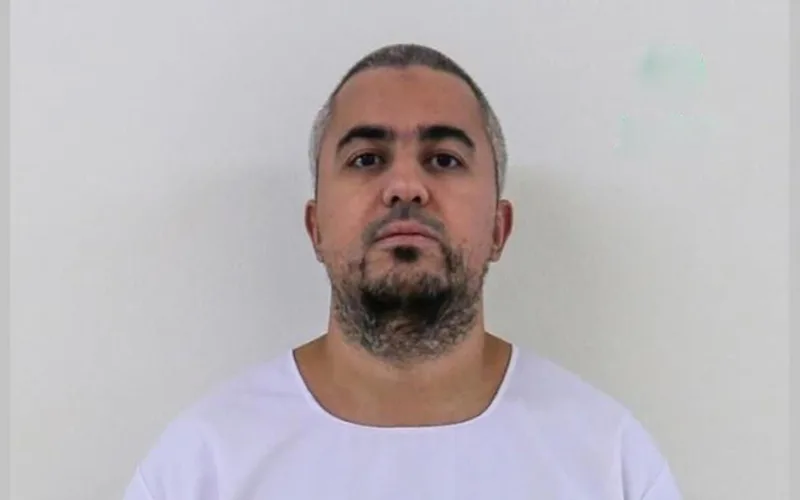
Pleading guilty in exchange for a lighter sentence. This is the wish of Othman El Ballouti. In this sense, he has asked his lawyers, Kris Luyckx and Dimitri de Béco, to try to reach an agreement with the Antwerp justice system when possible. This approach can be undertaken through the so-called "VES" legislation, an abbreviation for voorafgaandelijke erkenning van schuld (prior acknowledgment of guilt), or "pleading guilty". According to the Belgian government, this procedure aims to "lighten the workload of the Correctional Court and the Police Court and to reduce the duration of criminal proceedings".
"El Ballouti is being prosecuted in Antwerp in three cases involving three cocaine shipments of 90, 100 and 840 kilos," explains Kris Luyckx. "The prosecutor is demanding a total of around 7 million euros for these three cases. Shouldn’t this still constitute a basis for negotiation?" He who has always claimed to be only a prosperous seller of luxury watches in Dubai, without any connection to drugs, would he now wish to make confessions in drug trafficking cases? "I do not want to anticipate what Mr. El Ballouti wishes to acknowledge or how he wants to do it," says his lawyer to HLN.
El Ballouti is first and foremost concerned about what will happen. "As soon as there is clarity on the sentence, Mr. El Ballouti can start ticking off the months or years and work on his reintegration," illustrates Luyckx to describe his client’s motivation. The lawyer wants to conclude a separate agreement for each case and then present the three agreements together for approval by the court. The outcome could then be a maximum sentence of fifteen years - three agreements of five years, the lawyer thus approaching the limits of the VES legislation. His client has already been sentenced by default to 20 years in prison in one of the cases. It seems unrealistic to negotiate a reduction of this sentence to five years. "Hence my call to the political world to extend the VES legislation to heavier sentences," the lawyer argues.
And he adds: "Look at the Netherlands, where the justice system concludes agreements with drug traffickers on sentences of up to ten years or more every week. With a little political courage, this should also be possible in Belgium. These agreements at least bring real money to the justice system."