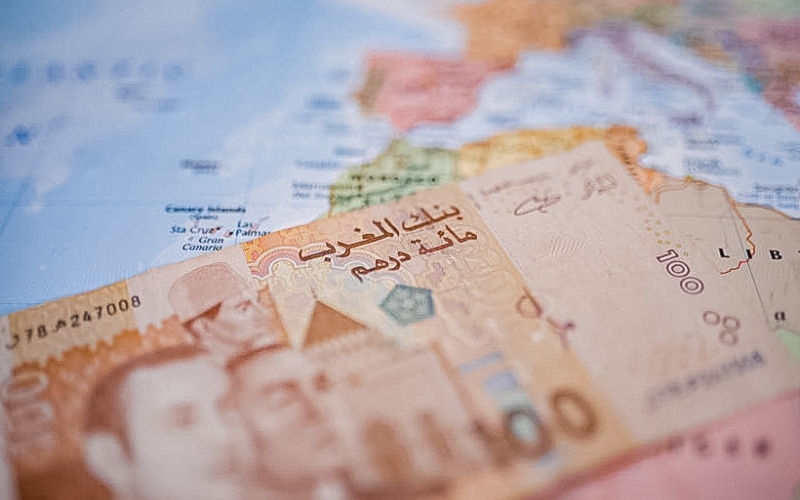
Morocco
Morocco Seeks Compromise with EU on Banking Data Exchange Treaty
Morocco is in talks with the EU with a view to a harmonious application of the OECD/G20 treaty on the automatic exchange of banking data for tax purposes.

Morocco is in talks with the EU with a view to a harmonious application of the OECD/G20 treaty on the automatic exchange of banking data for tax purposes.

While the issue of the automatic exchange of data on their bank accounts, shares and assets held in Morocco with the OECD is resurfacing, Nadia Fettah, Minister of Economy and Finance, has sought to reassure Moroccans living abroad (MRE).

The Organization for Economic Co-operation and Development (OECD) has published the results of the 2022 Programme for International Student Assessment (PISA), revealing major learning difficulties within the Moroccan public school system.
The Moroccan government says it wants to protect the interests of the six million Moroccans living abroad (MREs). It intends to engage in negotiations with the OECD in the coming days to review the conventions on the exchange of tax returns and financial information of MREs.
Deputies justify the blocking by the House of Representatives of the two draft laws on the exchange of tax information and data of MREs, which were to lead to the validation of the two agreements signed by Morocco with the OECD on June 25, 2019 in Paris.

The Akhannouch government is backtracking on the two draft laws on the exchange of tax information and data of Moroccans residing abroad (MREs). Through the voice of its spokesperson, Mustapha Baïtas, it once again reassures the MREs.
The Moroccan government spokesman, Mustapha Baïtas, wanted to reassure Moroccans residing abroad (MRE) about the automatic exchange of financial and tax information, signed by the kingdom with the OECD in Paris on June 25, 2019.

Morocco will start exchanging its tax data with the OECD starting next year. The measure follows the agreement signed in early July on a global minimum tax of 15%.
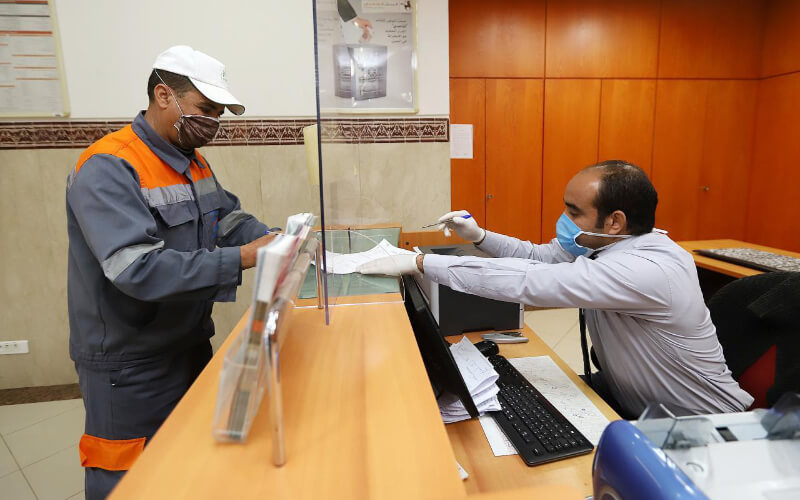
Since the announcement of the entry into force of the automatic exchange of tax data between Morocco and the OECD countries, Moroccans residing abroad (MREs) are expressing growing concern.

The international agreements signed by Moroccan ministers, particularly the agreement on the exchange of banking data, are not helping Moroccans living abroad, denounced Abdellah Boussouf, Secretary General of the CCME. He accuses the Moroccan government of concluding the agreements without a prior analysis of the repercussions on Moroccans residing abroad.
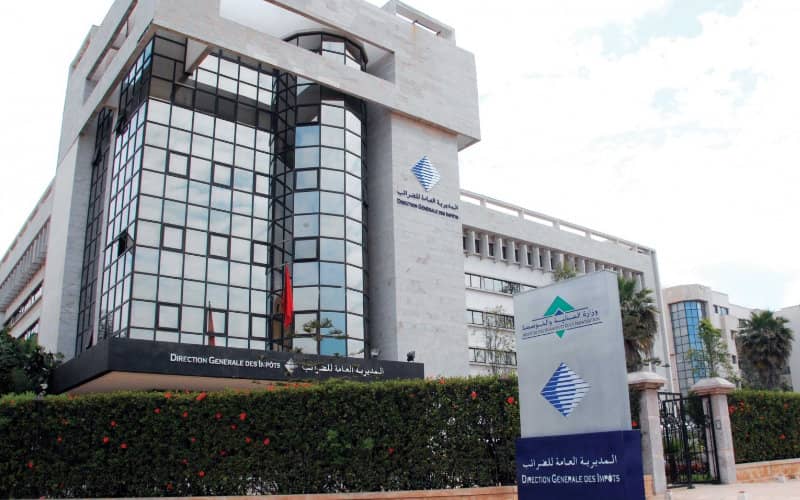
In addition to Morocco’s exit from the EU’s gray list and its monitoring to exit the FATF gray list, another essential norm for the Moroccan economy is at stake. This is the country-by-country reporting known internationally as Base Erosion and Profit Shifting (BEPS), introduced by the 2020 Finance Act, for fiscal years open from January 2021.
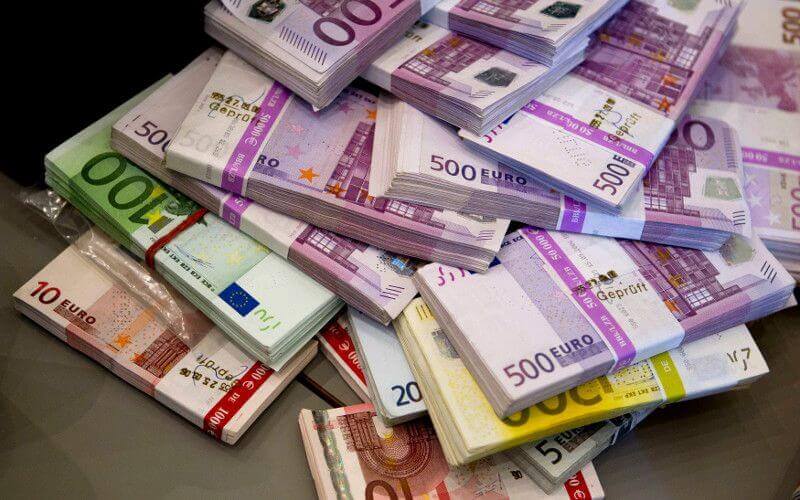
A meeting of the EU’s Economy and Finance Ministers is scheduled for Tuesday, February 16, 2021, to update the "gray list of tax havens." This meeting should confirm Morocco’s exit from this list drawn up by Brussels since 2007 to fight against tax evasion.