Morocco's Youth Uprising: GenZ 212 Sparks Nationwide Protests Ahead of King's Address
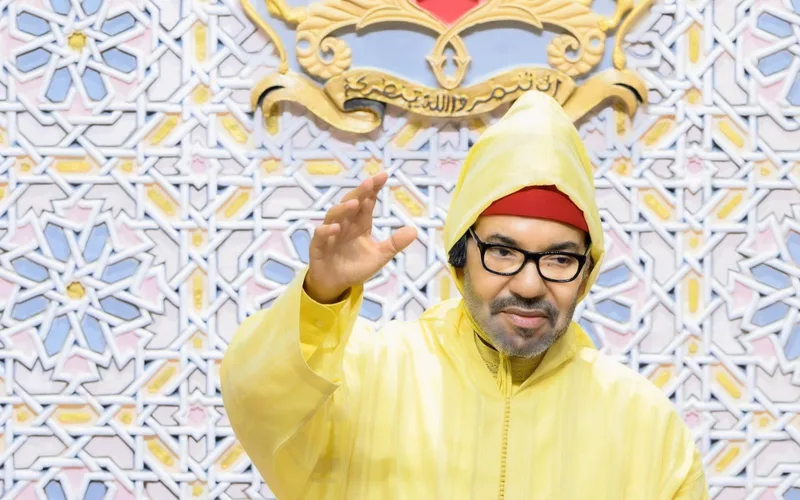
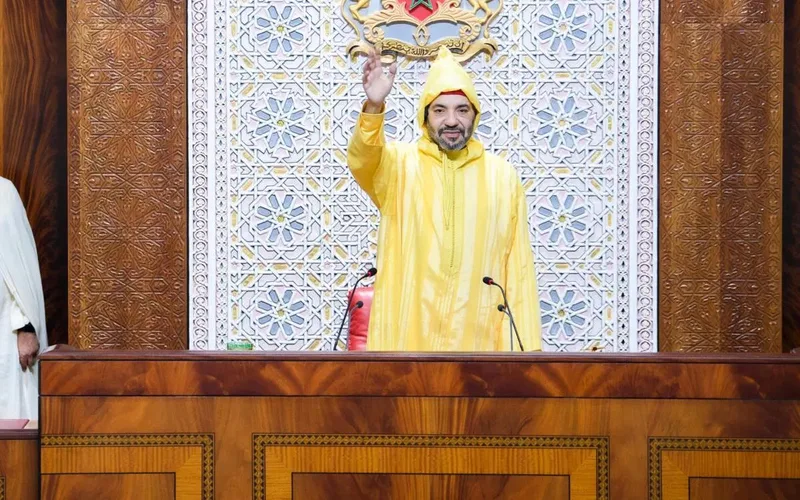
The GenZ 212 collective, with more than 180,000 members on Discord, eagerly awaits the speech that King Mohammed VI is expected to deliver at the opening of the Moroccan Parliament this Friday.
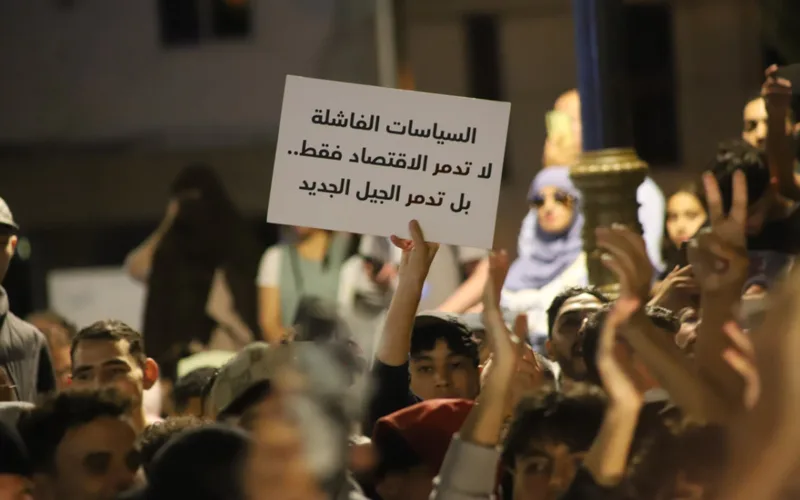
Since September 27, the online group "Gen Z 212", representing young Moroccans born between 1996 and 2010, has been organizing demonstrations in many cities. The demonstrations have spread to Aït Amira, an agricultural town located in the breadbasket region of southern Morocco, whose population has more than quadrupled in three decades, from 25,000 to about 113,000 inhabitants. "Aït Amira was a real powder keg ready to explode," said Khalid Alayoud, a sociologist and activist. The demands of this movement mainly concern issues of education, health, employment - youth unemployment reached 36.7% in 2024, with 492,000 young people aged 15 to 24 without a job - and social justice.
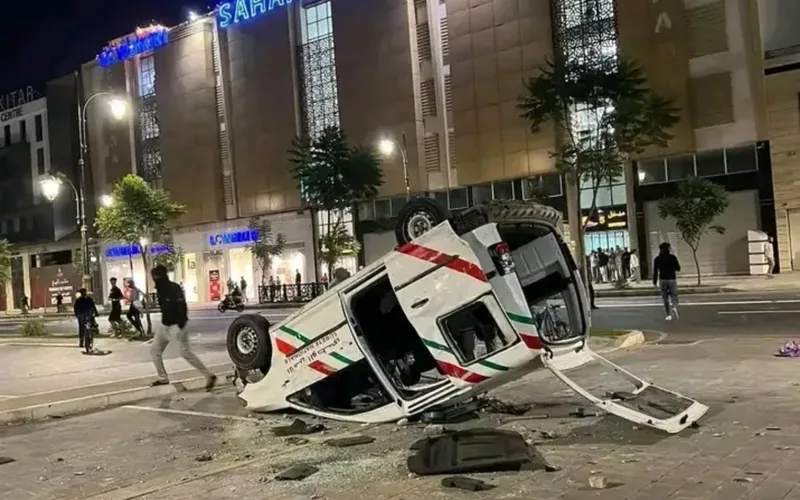
The death at the public hospital in Agadir of eight pregnant women admitted for cesarean sections is at the origin of the triggering of these social protests. The unrest has resulted in 3 deaths and 400 injuries across the country. Isolated incidents of looting and arson have been reported in some cities. These disturbances are the most significant since the Arab Spring demonstrations of 2011, which prompted King Mohammed VI to delegate some powers to Parliament. They are also the most violent since the 2016 protests in the Rif region. "Gen Z 212" has seen its subscribers increase from 3,000 to 188,000 in just one week on Discord, the platform that launched the movement.
"The government and members of Parliament have buried their heads in the sand, leaving the security forces to deal with the consequences of failed policies," said retired police officer Mohamed Agdid in an interview with Reuters. In a statement, GenZ 212 cited a speech given in 2017 by King Mohammed VI in which he urged civil servants to "fully fulfill their obligations or withdraw from public life."
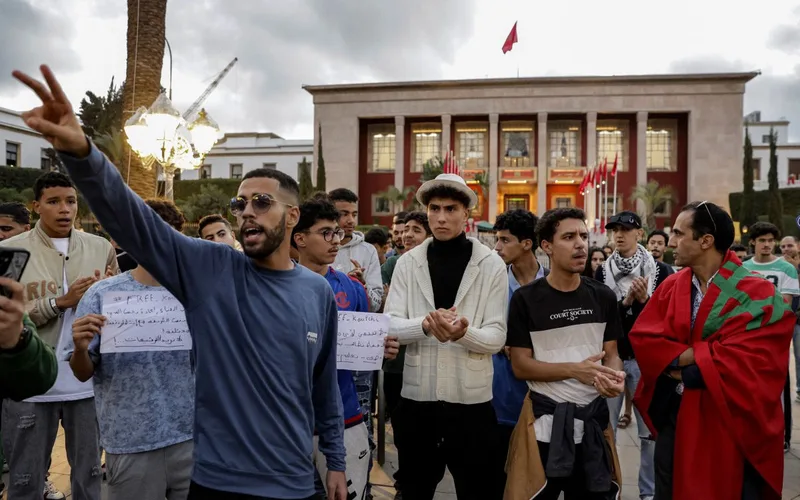
According to data from Bank Al-Maghrib, GDP growth is expected to be 4.6% this year, compared to 3.8% last year. In September, the rating agency S&P awarded Morocco, one of Africa’s most diversified economies, the coveted "investment grade" label. But the protesters deplore an unequal distribution of prosperity. "I see destitute people suffering every day because of the deplorable conditions in public hospitals," lamented Naji Achoui, a 24-year-old medical student who participated in a protest in front of the Moroccan Parliament in Rabat.
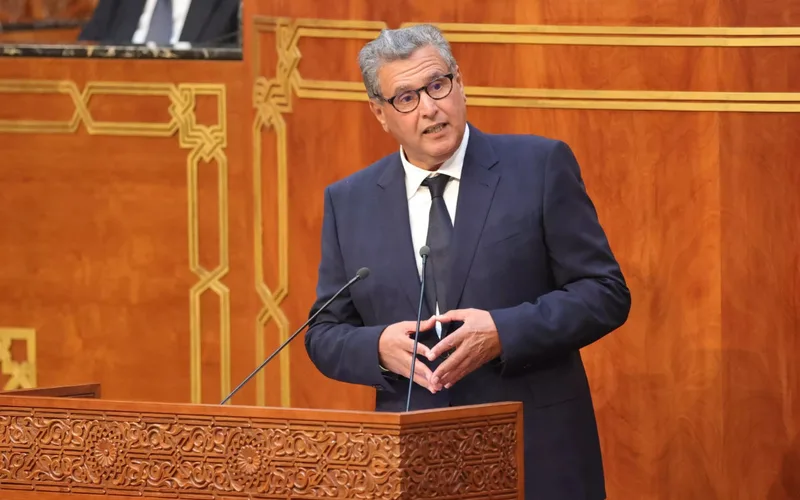
Jihane Ratma, a 19-year-old management student in Salé, near Rabat, pointed to the shortcomings of the education system. "We reject violence, but the young people who demonstrate peacefully like those who participate in the riots are all victims of public policies," she said. For now, the violence has subsided. The Minister of Employment, Younes Sekkouri, acknowledged the "sincerity" of the protesters’ demands. Prime Minister Aziz Akhannouch - whose resignation many protesters demanded - said that dialogue was the only way forward. The protesters are eagerly awaiting the speech that King Mohammed VI will deliver at the opening of Parliament next Friday.