Morocco's GenZ Movement Pauses Protests, Regroups After King's Reform Speech
The day after King Mohammed VI’s speech before Parliament, in which he called for accelerating social reforms, the GenZ 212 collective announced this Saturday, October 11, the suspension of its weekend gatherings. A strategic pause before new mobilizations.
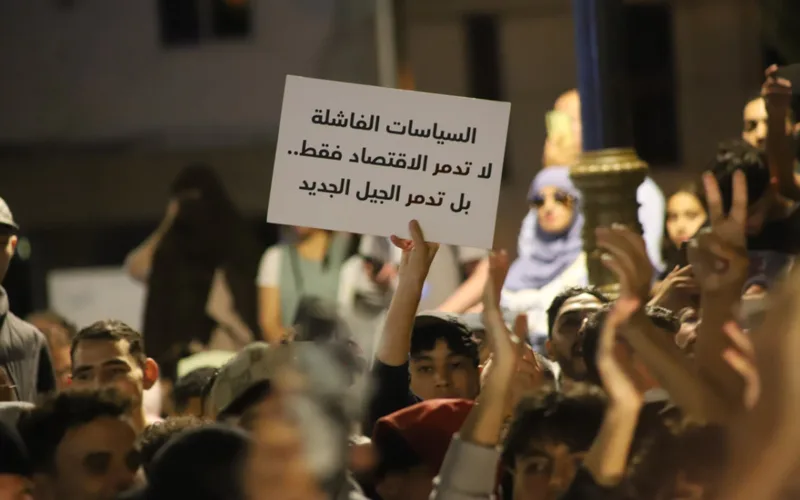
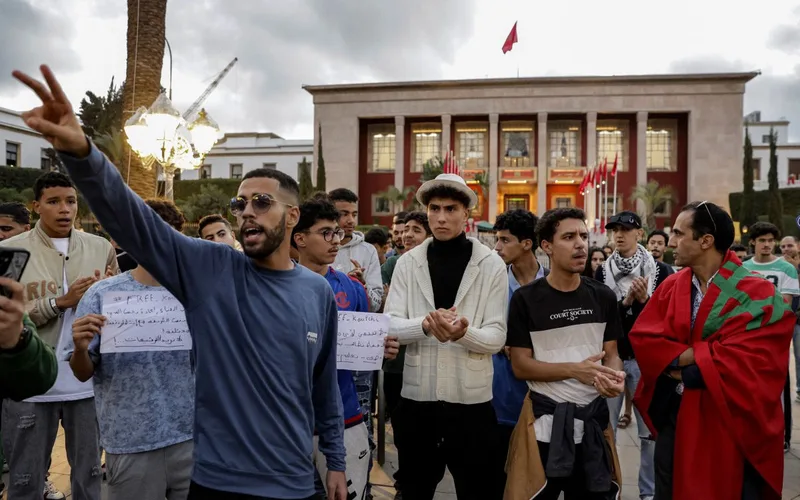
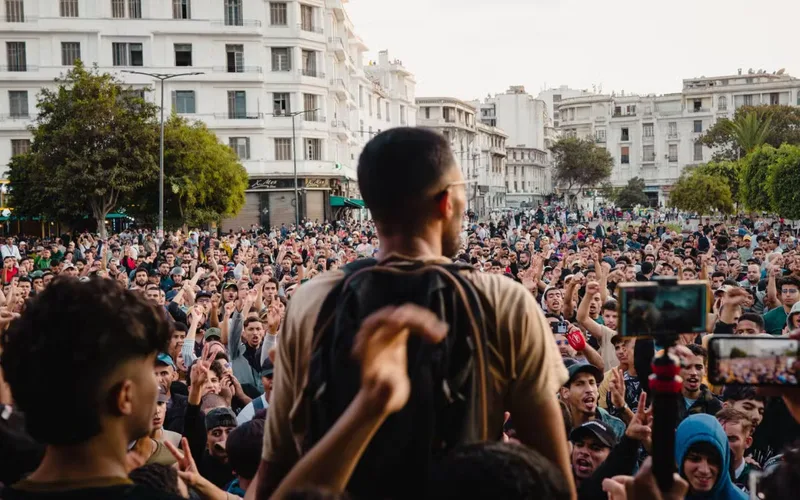
For two weeks, Morocco has been living to the rhythm of the almost daily demonstrations organized by GenZ 212. This Saturday, October 11, the collective decided to suspend its demonstrations for the weekend. This pause is "a strategic step aimed at strengthening the organization and coordination, in order to ensure that the next phase of the movement is more effective and more influential," explains the movement in a statement.
The collective maintains its demands, calling for reforms in the health and education sectors, the accountability of the "corrupt," and the establishment of the government’s responsibility "in the face of the deterioration of social and economic conditions." A new call for mobilization is to be announced this Saturday for a later date.
Without political or trade union affiliation, GenZ 212 brings together more than 200,000 members on Discord. Its founders are not known. Since September 27, the collective has been organizing almost daily demonstrations across the kingdom, mobilizing several tens or even hundreds of people. This protest movement erupted in mid-September after the death of eight pregnant women at the public hospital in Agadir, in the south of the kingdom, where they were admitted for caesarean sections.
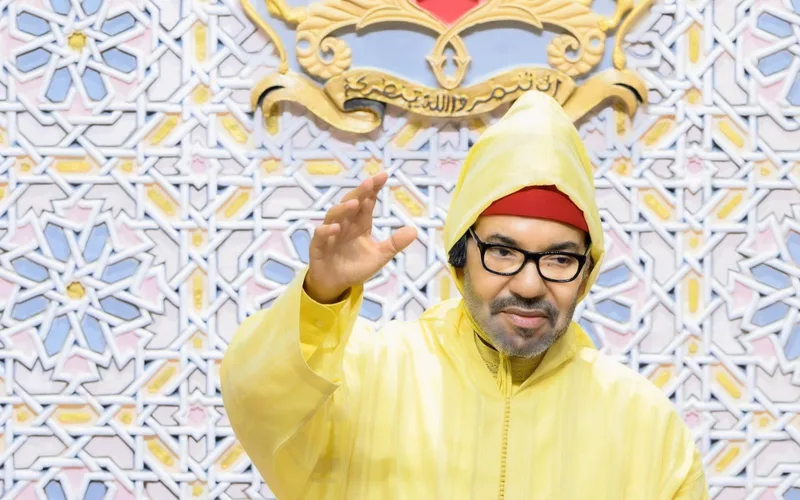
On Friday, during the opening of the fall parliamentary session, the Sovereign delivered a speech calling on the government to accelerate development programs, particularly in education and health, without however mentioning the youth demonstrations. Mohammed VI assured that Morocco "is paving a sure way towards greater social and territorial justice," urging the government to "pay particular attention to regions in a situation of extreme precariousness."