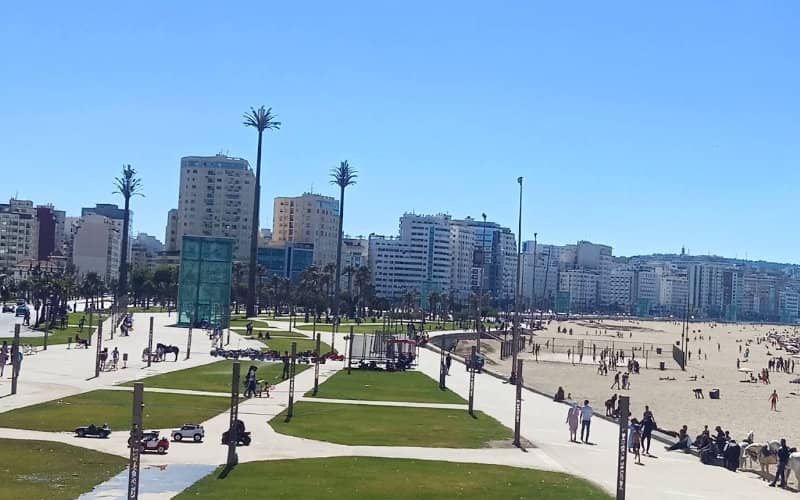
Morocco summer vacations: beaches, traffic, high prices dominate
Moroccan vacations remain heavily concentrated in summer. July and August alone account for nearly 40% of trips, confirming the weight of high season in domestic tourism.
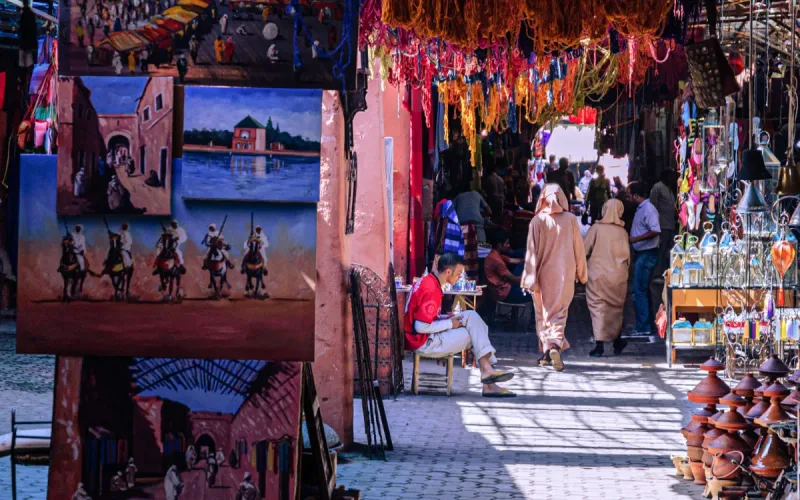
In Morocco, vacations are still played out largely in summer. According to the 2025 Turespaña report on the Moroccan tourism market, the two traditional vacation months, July and August, concentrate almost 40% of Moroccans’ domestic and international trips.
On Bladi.net : Moroccan Travelers Skip Schengen for Easier Visa Destinations
This concentration confirms a reality well known to industry professionals: Moroccan tourism demand remains heavily dependent on the summer season. Departures concentrate when families have time off, when children are no longer in school, and when beach destinations become the most sought after.
The report highlights that the most demanded product by Moroccan domestic tourism remains "sun and beach." This preference largely explains the weight of July and August, but also the high attendance in coastal regions or those close to major tourist hubs.
Three regions concentrate a large part of Moroccans’ domestic trips: Marrakech-Safi, with 29%, Tangier-Tétouan-Al Hoceïma, with 17%, and Souss-Massa, with 13%. These regions benefit from both their beach appeal, tourist reputation, and accessibility.
In the north of the country, Tangier-Tétouan-Al Hoceïma stands out for a strong presence of domestic tourism. According to the report, 55% of tourism in this region is Moroccan. Conversely, Marrakech and Souss-Massa remain more driven by international tourism, notably thanks to Marrakech, Agadir, and Essaouira.
Travel habits also confirm the weight of family. Half of Moroccans’ annual domestic trips are motivated by visits to relatives or friends. Leisure trips come next, with 35% of the total. Vacations are therefore not only synonymous with beach or hotel: they often remain linked to family ties and trips to regions of origin.
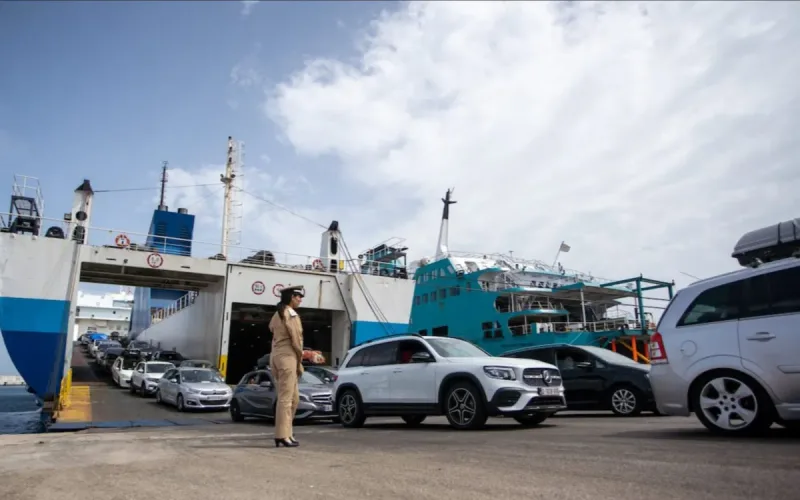
The car dominates these trips very largely. In 2024, Moroccans used their vehicle in 94.8% of their domestic trips. The train represents only 4.3% of internal tourist trips, while domestic flights account for only 0.9%. This road dependence also explains the pressure observed each summer on major highways, beach resorts, and coastal cities.
Accommodation is also marked by family practices. Houses of relatives or friends represent 44% of the domestic market, ahead of apartment rentals, which account for 29.6% of stays. For stays of less than eight days, hotels remain widely used.
In 2024, the average duration of Moroccans’ domestic trips reached 8.4 days. Domestic tourism is therefore an important market, but still highly seasonal. The report recalls that Moroccans make few domestic trips per capita and that their weight in hotel nights remains lower than that of international tourists.
For Moroccan authorities, the challenge is now clear: better distribute departures throughout the year, strengthen the offer adapted to families’ purchasing power, and improve internal mobility. The 2023-2026 tourism roadmap notably focuses on new domestic air routes and more accessible forms of accommodation.
On Bladi.net : Schengen Visas Morocco: 437,000 Approved in 2024
But for now, vacations in Morocco remain largely concentrated over a few weeks. July and August remain the big moment for departures, with their crowded beaches, congested roads, and often higher prices.