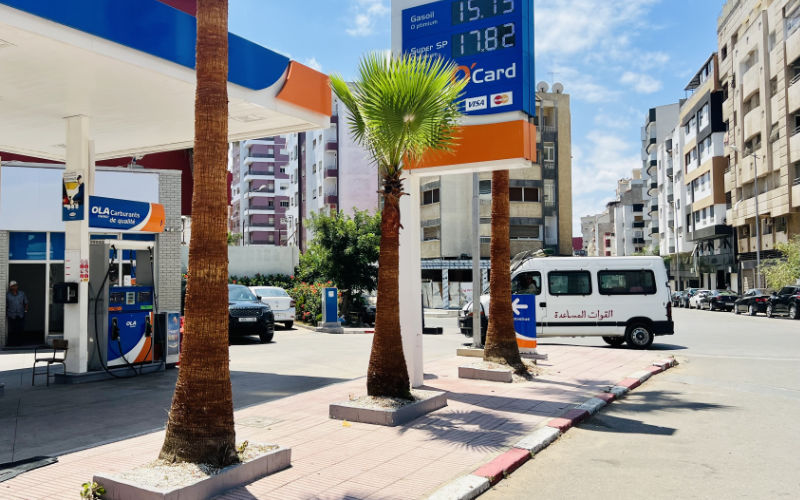
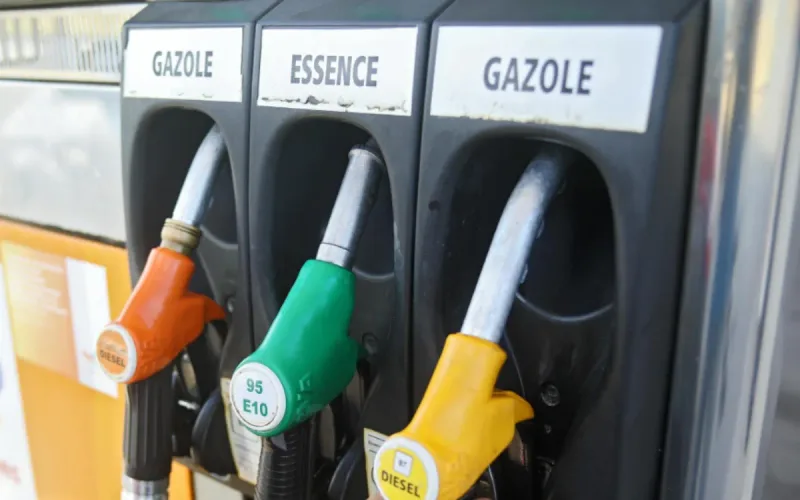
Morocco: towards a return to fuel price regulation?
Faced with the surge in fuel prices, the CDT is calling on Prime Minister Aziz Akhannouch this Tuesday. The union is demanding emergency measures and a return to price regulation to protect the purchasing power of Moroccan households.
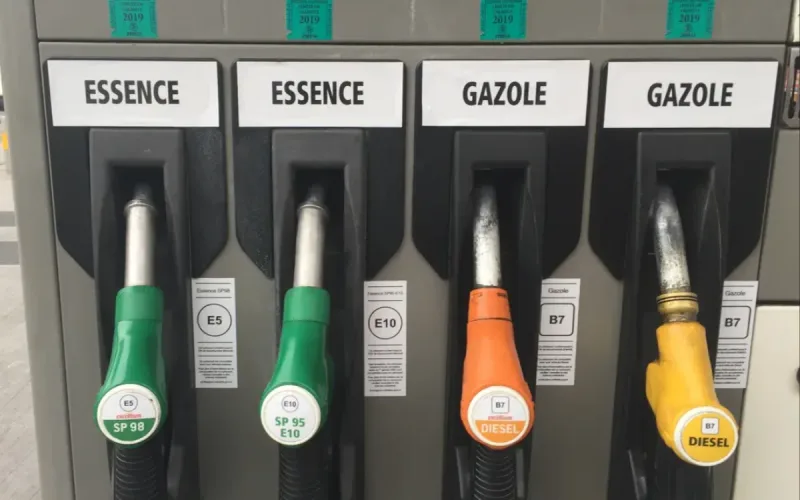
The pressure on hydrocarbon prices is reviving social tensions in Morocco. In a letter addressed to Aziz Akhannouch, the Democratic Confederation of Labor (CDT) is calling for immediate intervention to contain the increases. The union denounces "deep structural dysfunctions" inherited from the gradual privatization of the sector and the liberalization of prices enacted in 2015.
On Bladi.net: Fuel in Morocco: excessive margins pointed out
According to the trade union center, the market equilibrium has been disrupted by the end of the compensation system and the absence of a strong regulator. This configuration directly exposes the final consumer to the slightest fluctuations in world prices. The CDT also points to a marked energy insecurity marked by episodes of stock shortages observed at the beginning of 2026.
The unstable geopolitical context in the Middle East is exacerbating the precariousness of the national system. Each international fluctuation is reflected in an increase deemed "disproportionate" at the pump. To reverse the trend, the union proposes to reduce the tax burden on fuels and to strictly separate storage and distribution activities in order to gain in transparency.
A major demand emerges in this correspondence: the relaunch of the Mohammedia refinery, La Samir. For the worker representatives, the reactivation of this national site would significantly increase strategic storage capacities. This option would reduce dependence on imports while capturing more added value.
Beyond energy, the central union is calling for a comprehensive social shield. It is demanding a revaluation of wages and pensions to absorb the impact of inflation. The union also advocates a profound reform of the transport sector in order to limit the contagion of energy prices on the daily cost of living of citizens.
On Bladi.net: Fuels: towards a new price surge at the pump in Morocco?
Faced with this discontent, the authorities are initiating an institutional response. The Competition Council announced on March 27 the strengthening of its monitoring of the hydrocarbon market. The institution intends to closely scrutinize the modalities of transmission of international price variations to the national market in order to avoid any abusive practices.