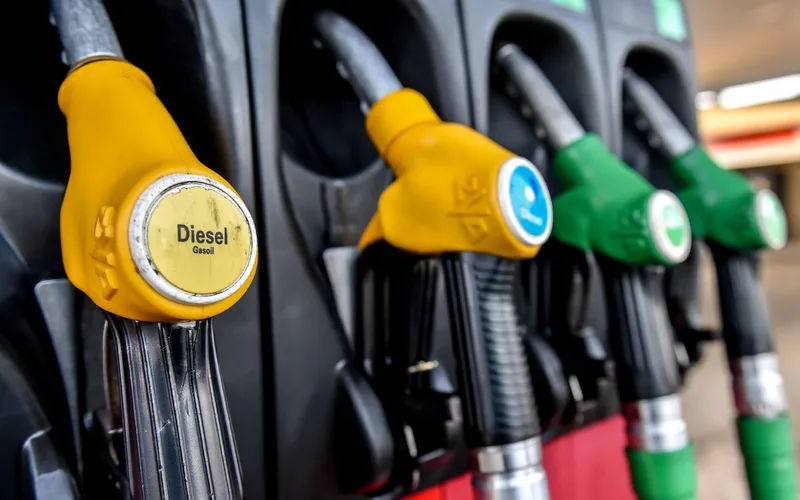
Morocco: Diesel much more expensive from March 15
The price of diesel is expected to cross the 13 dirhams mark from March 15. Analyst Zakaria Garti warns of Morocco’s vulnerability, between soaring global prices and major structural failures in the national storage system.
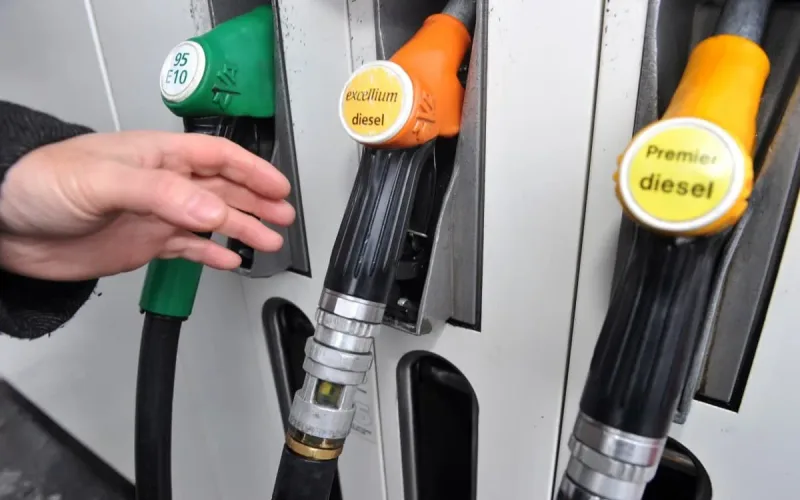
According to Médias24 estimates, the price of a liter of diesel is about to undergo an increase exceeding 2 dirhams. This surge is dictated by the situation in the Middle East, where the Platts diesel price has risen from $700 to over $1,175 per tonne in early March. While the oil intensity in global GDP has fallen in 50 years, the Moroccan economy is still hit hard by the immediate fluctuations in international prices.
The Kingdom is going through a crisis in its strategic stocks. While the legislation requires distributors to maintain 60 days of reserves, the country is currently navigating with only 15 to 20 days of stock. Zakaria Garti highlights the contrast with France, where the sanctuarized strategic reserves reach 120 days, leaving the Moroccan consumer on the front line facing geopolitical shocks. Energy sovereignty: the crucial role of storage and SAMIR
The urgent reactivation of SAMIR’s storage capacities appears to be a major technical solution. The refiner’s infrastructure could cover nearly 90% of national needs on its own. For the analyst, Morocco will not be able to claim its sovereignty until it makes its storage infrastructure a bulwark against the violent winds of global geopolitics.
On the fiscal level, a fundamental reform is recommended to stabilize the burden on citizens. The current 10% VAT system amplifies the increase when prices rise. A shift to a fixed Domestic Consumption Tax (TIC), coupled with a reduction in VAT, would allow the pump price to be sanctuarized regardless of barrel volatility.
The diagnosis is also severe regarding the aids to the transport sector, estimated at 8 billion dirhams. Zakaria Garti believes that the effect has been nil, with the funds being captured by intermediaries without benefit for the citizen. He recommends abandoning these opaque subsidies in favor of direct aid to households through the Unified Social Registry (RSU).
Finally, the silence of the Ministers of Economy and Energy in the face of Moroccan public opinion is pointed out. Although communication to international investors is considered of good quality, the lack of exchange with citizens on the non-compliance with the regulations on strategic stocks reflects a certain powerlessness of the authorities in the face of regulatory challenges.