Morocco plans six regional companies to curb produce price markups
On Moroccan markets, some fruits and vegetables can cost up to three times as much as at the wholesale market in Inezgane. Producers blame intermediaries’ margins and are awaiting a reform announced for 2027.
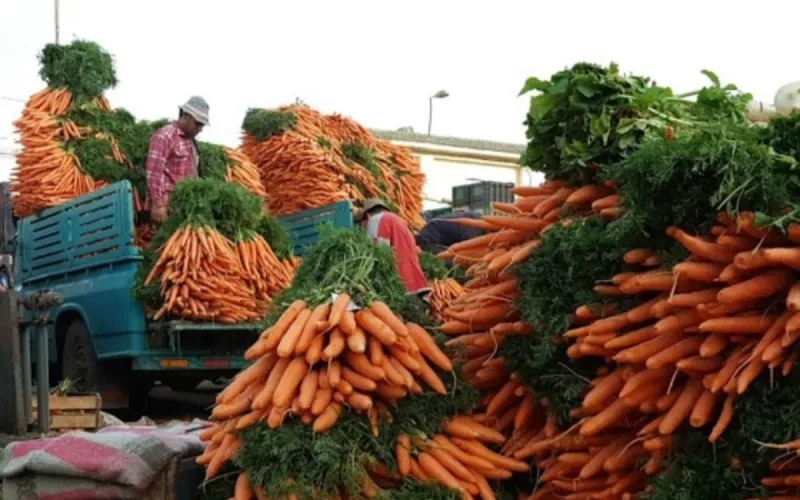
The same product, two wholesale markets, and sometimes a price that is three times higher. That is the disparity denounced by the president of the Moroccan Interprofessional Federation for the Production and Export of Fruits and Vegetables (FIFEL). Large quantities of fresh produce destined for other cities arrive in Inezgane, near Agadir. But by the time they reach some regional markets, their prices can double or even triple.
Speaking to HortiDaily on October 26, the official described particularly striking price differences between Inezgane and the amounts paid by consumers in Casablanca or Rabat. He blamed a marketing chain clogged with intermediaries, each taking a cut.
This mechanism is also fueling tensions over Moroccan exports, which are regularly blamed when vegetable prices rise. For Zakaria Hanich, the central problem lies in the movement of goods after they leave farms. Producers had already flagged the case of tomatoes sold by farmers for 4 dirhams and then resold for 12 dirhams.
Six regional companies to change the distribution chain
The government wants to act on this chain. During the presentation of the 2027 budget bill on October 23, Fouzi Lekjaa announced the creation of six regional companies tasked with aggregating and marketing agricultural products in major production areas.
FIFEL welcomes this approach, which it has long been calling for. Above all, it wants to reduce the number of intermediaries, regulate their margins and make prices more transparent, including for consumer associations.
The sector is now waiting for details on how the new companies will operate. Hanich wants farmers involved in designing them. The initiative is part of a broader reform: Morocco had already announced the modernization of twelve wholesale markets. This time, industry professionals are calling for the change to be reflected in prices from one market to another.