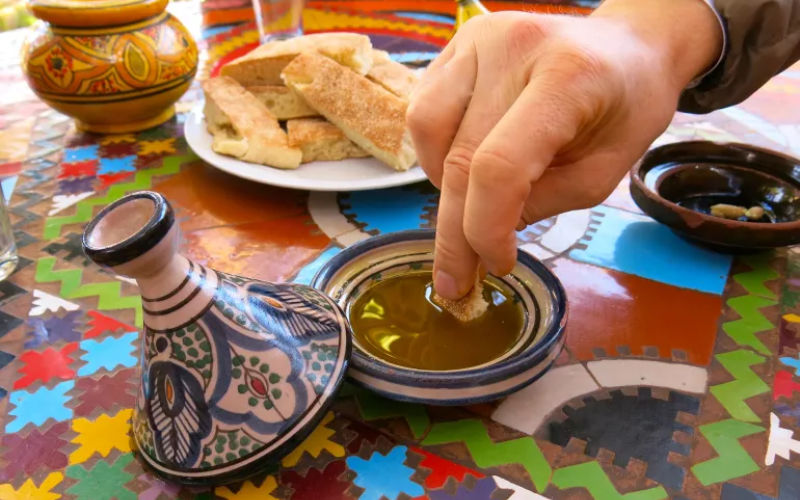
Morocco's Olive Revival: Rains Spark Hope for Bumper Harvest and Cheaper Oil
After years of drought, Morocco hopes for a good olive harvest this year. The heavy rains recorded in March and April have given hope to producers. As a result: cheaper olive oil!
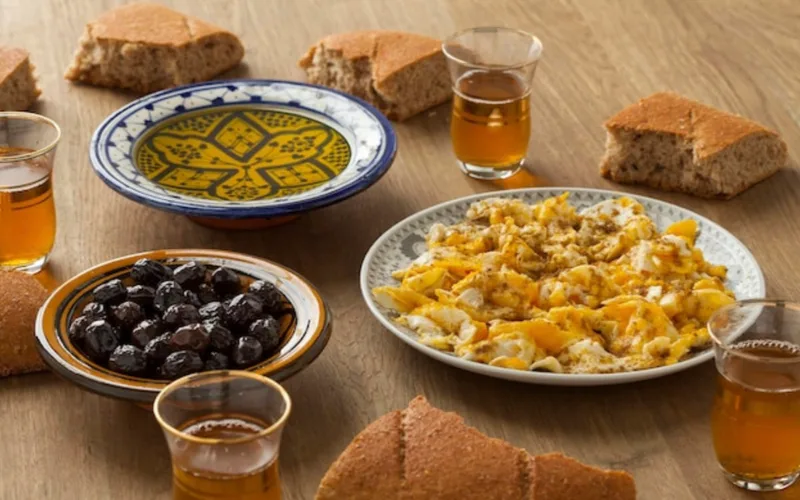
The first olive harvests have already begun in several regions of the kingdom such as Al Haouz, Chichaoua, Sus and Chiadma, reports the magazine Finances News Hebdo. In the north, in Fès-Meknès, Taounate and Taza, the harvests should start in the coming weeks. "Many factors have contributed to the improvement of production this year, in particular the balanced distribution of rainfall and the continuous expansion of the areas devoted to olive cultivation," explains Rachid Benali, president of the Interprofessional Federation of Olive Oil of Morocco (Interprolive). The months of October and November will be crucial to confirm this encouraging trend.
Thanks to the Green Morocco Plan (PMV), the cultivated areas have exceeded 1.1 million hectares. The olive oil sector currently represents 65% of the kingdom’s tree-growing area, according to the magazine. The country positions itself as the fourth largest producer of olives and the third largest exporter of olive oil. The figures speak for themselves: the sector generates 7 billion dirhams (660 million euros) in revenue, or about 5% of agricultural GDP, and employs more than 200,000 people with 55 million working days per year. For many farmers, the olive tree, more than just a crop, is a means of economic subsistence. "Olive cultivation allows us to offset the losses of other activities, such as cereals or livestock," testifies Mohamed El Abdi, a farmer in Benslimane.
Despite these advances, the sector remains faced with many challenges, particularly related to the processing and distribution of olive oil. Intermediaries continue to weigh heavily on prices, which have risen to over 100 dirhams per liter in 2024, compared to an average of 60 dirhams. This surge has even pushed Morocco, for the first time in its history, to import olive oil to meet local demand. A dynamic that aims to make Morocco not only a major producer, but also a benchmark player in terms of quality and sustainability of olive oil by 2030.