
Morocco Merchants Turn Off Fridges: Food Safety Crisis
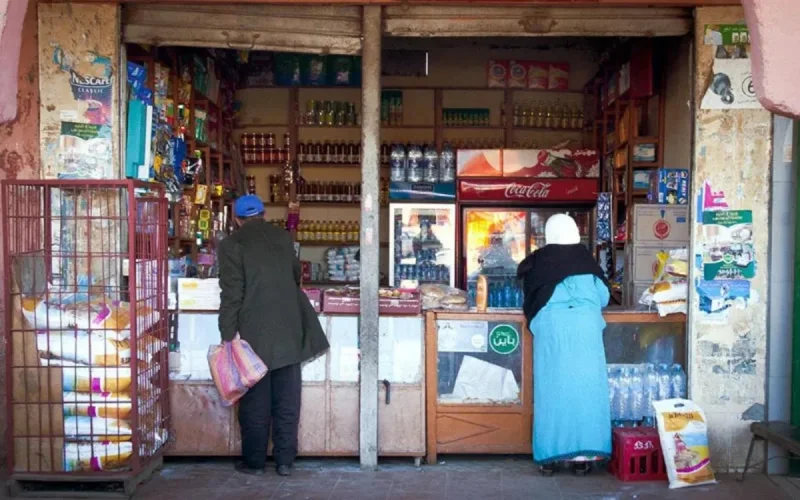
With summer heat, some Moroccan merchants turn off their refrigerators after closing to reduce their electricity bills. A dangerous practice for consumer health, but one that professionals explain through thin margins on fresh products.
In the middle of summer, fresh products cannot withstand cold chain breaks. Dairy products, beverages, juices, chocolate or certain heat-sensitive products can lose their food safety conditions even if their expiration date is still far away.
On Bladi.net : Moroccan Merchants Face Economic Blow as Eid al-Adha Ritual Canceled
This is what concerns the Moroccan Consumer Protection Observatory (OMPC), which alerts about the behavior of certain merchants who turn off their refrigeration equipment to limit their electricity consumption. Its president, Hassan Ait Ali, believes that this practice represents a real danger for consumers.
With rising temperatures, bacteria and germs develop more rapidly, which can lead to food poisoning, particularly among children, the elderly, pregnant women and vulnerable people. The Observatory calls on merchants to strictly respect food product storage rules and asks competent services to strengthen controls during summer.
On the professionals’ side, the phenomenon is not entirely denied. The national general secretary of the Moroccan Union of Merchants and Professionals, cited by Hespress, acknowledges that some merchants turn off their fridges, even though others keep them running all day. According to him, professional organizations raise merchants’ awareness about the importance of keeping cold equipment on permanently.
On Bladi.net : Morocco Heat Wave Food Poisoning Risk Alert
But the official puts forward another explanation: margins would be very thin on most products requiring refrigerated storage, often around 10%. Some merchants would therefore seek to preserve their profit, or simply avoid selling at a loss, by reducing the electricity bill related to fridges.
Related Articles
-

A Fez riad earns a Michelin Key and joins the world’s best hotels
18 September 2026
-

MRE: this mistake when buying in Morocco can block the repatriation of your money
18 September 2026
-

One ship every five minutes between Morocco and Spain: Rabat seeks new rules for straits
18 September 2026
-

8.2 million dirhams for new vehicles tasked with monitoring Moroccan airport runways
18 September 2026
-

2030 World Cup: Fitch warns Morocco that cost overruns could increase its debt
18 September 2026