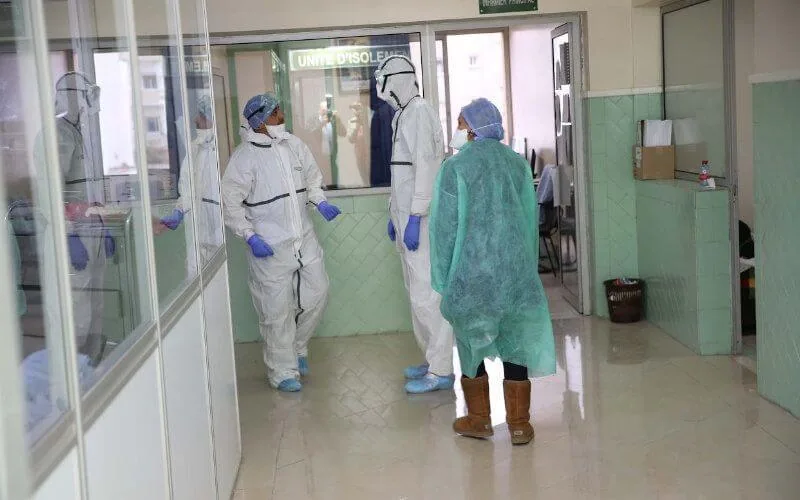
Morocco Launches Landmark Probe into Healthcare Corruption
The National Authority for Integrity, Prevention and Fight against Corruption (INPPLC) is preparing to launch a major study on the phenomenon of corruption in the health sector in Morocco. The realization of this study has been entrusted to the Forvis Mazars firm for 2.3 billion dirhams.
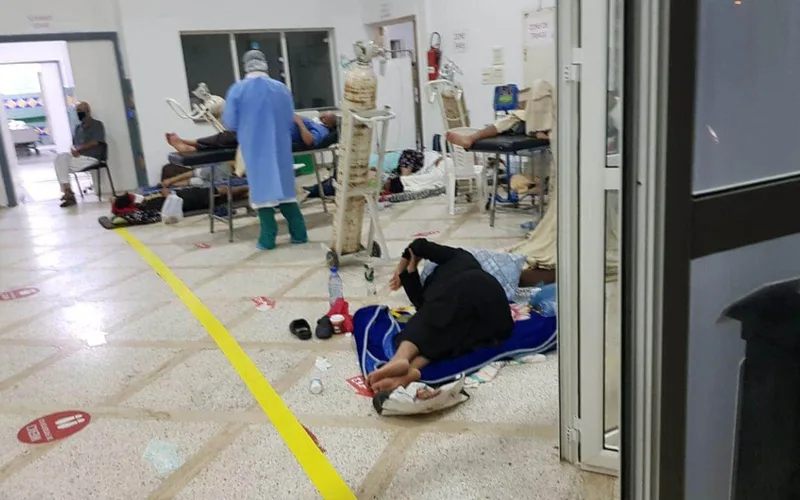
After revealing the extent of the phenomenon in its latest national survey conducted in 2022, the INPPLC is launching a comprehensive study on corruption in the health sector in Morocco. The Authority has just mandated the Forvis Mazars firm to help it develop a detailed mapping of corruption risks in three areas of the sector, namely healthcare services and citizen-hospital relations (patient journey), the value chain of health products, particularly medicines, and the private health sector, and the regulation of private clinics and medical practices, and to propose concrete actions to restore confidence in the national health system.
The figures from the national survey conducted between October and December 2022 are alarming. Conducted among 5,000 Moroccan citizens and 1,000 Moroccans living abroad, it reveals that 56% of residents consider the quality of health services as one of their three main concerns.
Even more worrying, 68% of citizens believe that corruption is widespread, or even very widespread, in the health sector, a percentage that rises to 76% among Moroccans abroad and 75% among businesses. Concretely, 17% of people who have had contact with public health have been confronted with a request for a bribe, with an incidence rate of 10% per contact.
The study also reveals the behavior of Moroccans in the face of corruption. When asked for a bribe, 57% of citizens agree to pay, while only 25% refuse and continue their process, and barely 3% refuse and file a complaint. Public health appears to be the sector most frequently cited in terms of exposure to corruption, particularly in the areas of social assistance and recruitment.
Young people aged 25 to 34 and people with a medium level of education are the most numerous to perceive corruption as very widespread in this sector. On the business side, micro-structures are particularly critical, giving the health sector an average score of 8.24 out of 10 in terms of corruption.
The consequences of this corruption are disastrous for the entire health system. It compromises access to care, deteriorates its quality, creates inequalities and undermines the overall efficiency of services. Several factors explain this situation: an insufficient legislative framework, the multiplication of stakeholders without clear coordination, a failing control system and a limited service offer.
Corruption manifests itself in two main forms: petty daily corruption such as bribes, and grand corruption affecting public procurement, strategic decisions and the granting of authorizations. Faced with the urgency of the situation, the rapid implementation of the recommendations of the New Development Model has become a priority to meet the expectations of the population, particularly the youth, and achieve the objectives set for 2035.