Morocco’s Khouribga Phosphate Yields Nearly 87% of Its Rare Earths in Lab Tests
A team of Moroccan and international researchers achieved an extraction rate of 86.86% in tests to recover rare earths from Khouribga phosphate. Published on Wednesday, November 11, in the journal Scientific Reports, the study opens up new possibilities for adding value to Moroccan ore.
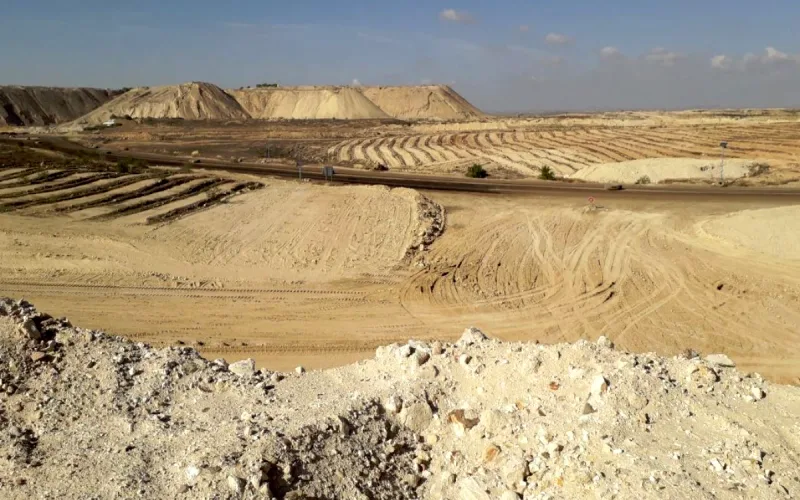
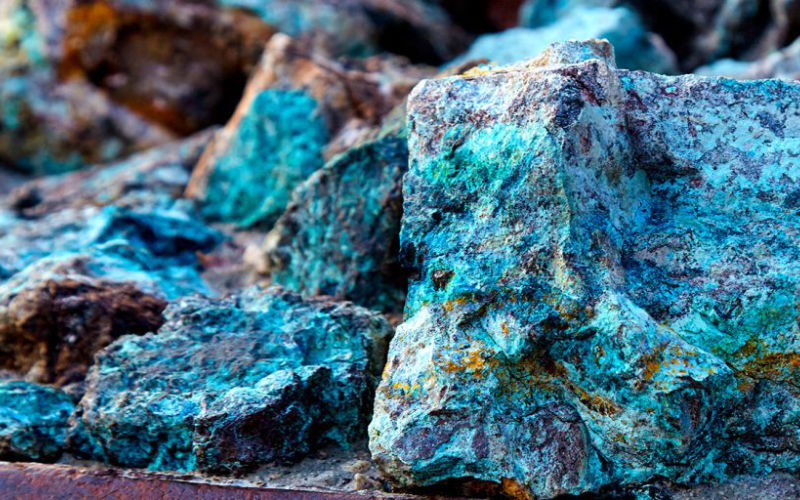
Khouribga phosphate could provide more than raw materials for fertilizers. Researchers have succeeded in chemically extracting nearly 87% of the rare earths contained in a phosphate rock sample. The laboratory result concerns elements sought after by several technology industries.
In their study published in Scientific Reports, the scientists describe a method using hydrochloric acid to transfer the rare earths from the ore into a liquid solution. They tested different acid concentrations, temperatures and treatment times to identify the most effective conditions.
The best parameters were a temperature of 75 °C, a duration of 25 minutes and a hydrochloric acid concentration of 20.35%. Six tests carried out under these conditions achieved an average extraction rate of 86.86%, with a variation of 2.05 percentage points. The result shows that a large proportion of the rare earths in the sample can be extracted from the rock.
The analyses found a total concentration of 633 milligrams of rare earths per kilogram of phosphate. Yttrium accounted for the largest share, at 427 milligrams per kilogram. This element is used in electronic materials, technical ceramics and some lighting devices.
A new way to add value to Moroccan phosphate
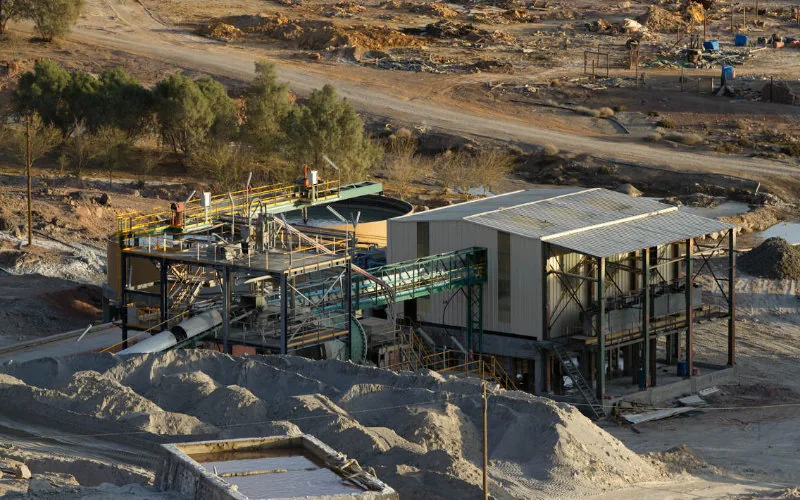
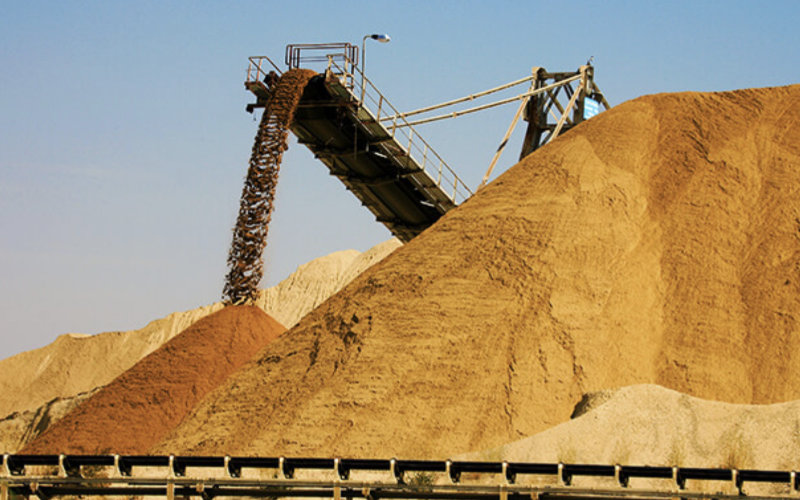
The significance of this work lies in the possibility of recovering strategic materials from a resource already being mined on a large scale. Around 7.2 million tonnes of phosphate are extracted each year in Khouribga, according to figures cited in the study. The ore is used mainly to produce fertilizers and phosphoric acid, or for export.
The process studied applies directly to phosphate rock. It differs from research on phosphogypsum, a by-product of fertilizer production. In 2022, the OCP Group, Mohammed VI Polytechnic University and British company Rainbow Rare Earths signed an agreement to develop techniques for recovering rare earths from this by-product.
The team, which includes scientists from Sultan Moulay Slimane, Sidi Mohamed Ben Abdellah and Cadi Ayyad universities, is considering applying this method to phosphate processing after further verification. The next steps will include assessing how it works on a larger scale and the operations needed to recover the different dissolved elements.