Morocco-Israel: a "shock" military plan validated
Five years after the signing of the Abraham Accords, Rabat and Tel Aviv are taking a new step forward with the validation of a joint military work plan for the year 2026. This alliance, which now goes beyond the diplomatic framework to take root in deep industrial and security cooperation, is redefining the balance of power in North Africa.
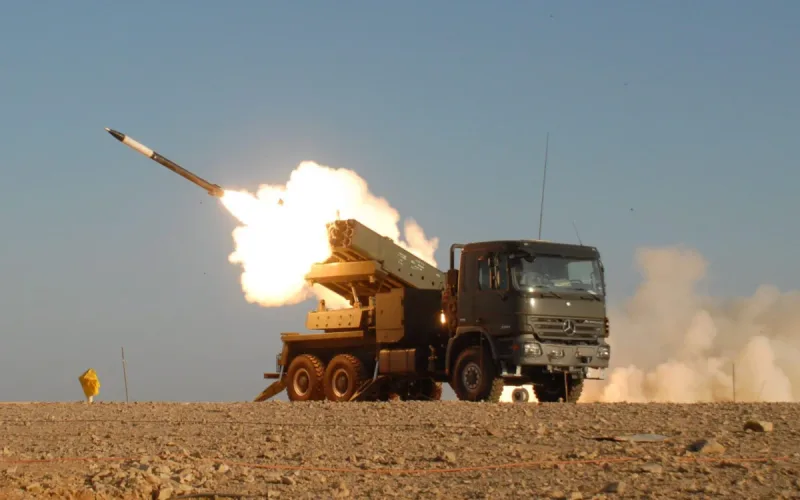
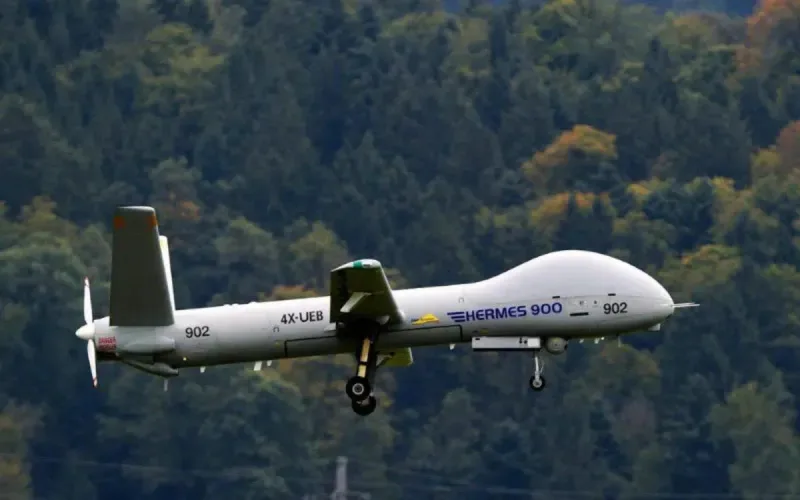
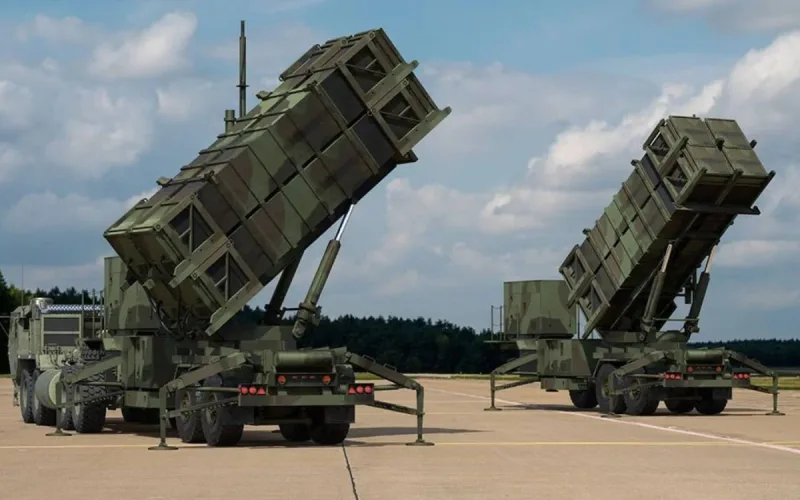
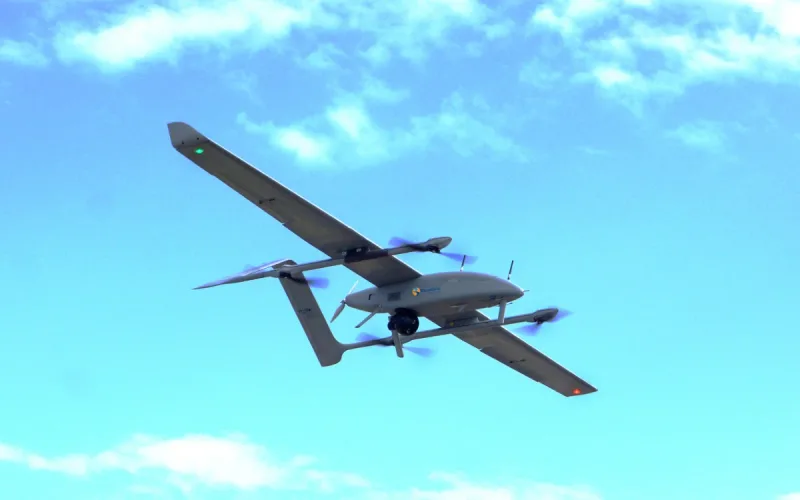
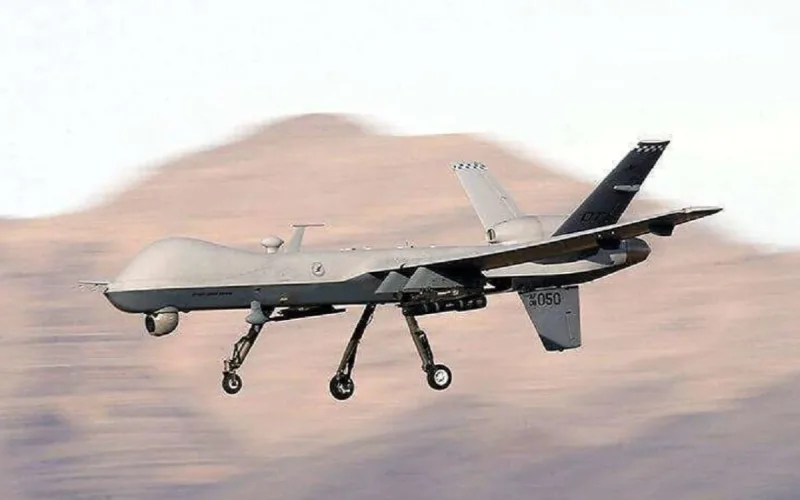
The strategic partnership between the Kingdom and the Hebrew State has intensified during the third meeting of the Joint Military Committee held at the beginning of January 2026. This new framework agreement provides for an acceleration of technology transfers and increased coordination of security objectives between the two nations. Beyond simple equipment deliveries, the two partners are now planning the joint development of air defense systems, new generation drones and shared satellite technologies, marking a major qualitative break in their military relations.
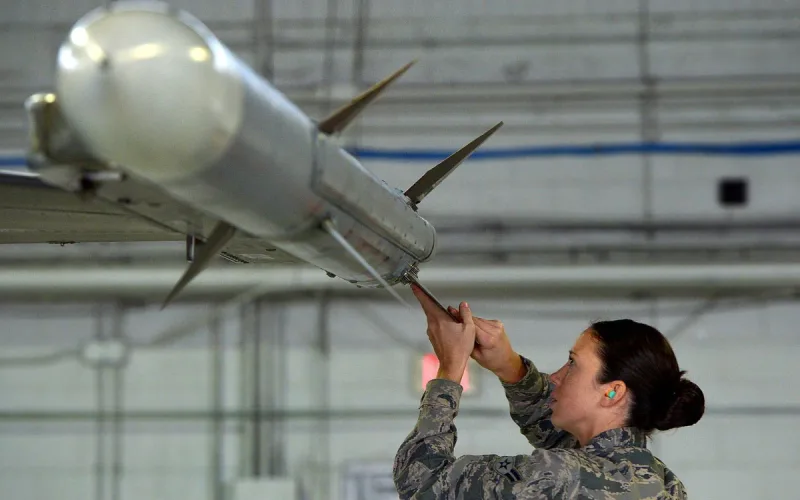
This rise in power propels Israel to the rank of the third largest arms supplier to Morocco, behind the United States and France. Technical dependence is particularly pronounced in the field of air defense, as more than half of the missiles delivered to the Kingdom now come from the Israeli industry. This capacity building, supported by the development of local drone production lines, allows Morocco to modernize its armed forces and assert its sovereignty over Western Sahara, a diplomatic position reinforced by the explicit recognition of Tel Aviv.
On the economic and social level, the rapprochement is based on deep historical roots, despite the persistent regional tensions linked to the conflict in Gaza. While direct tourist flows are stagnating, technical cooperation is intensifying in critical sectors such as precision agriculture and water management in arid environments. Israel is also betting on Moroccan phosphate deposits to secure its fertilizer production, thus consolidating a axis of civil cooperation that complements the imperatives of national defense.