Morocco's Healthcare Crisis: Private Clinics Boom as Public Hospitals Crumble
Rachid Hamouni, the president of the Progress and Socialism Party (PPS, opposition) group in the House of Representatives, painted a rather unflattering picture of the health sector in Morocco, noting a proliferation of private clinics to the detriment of public hospitals that are dying.
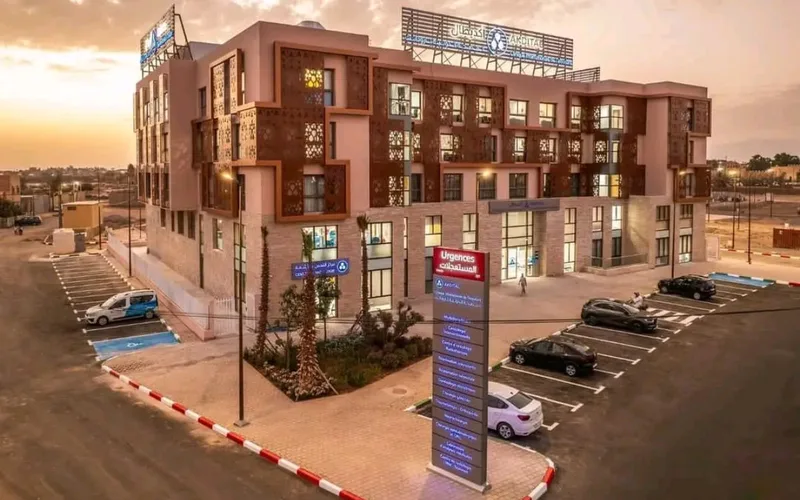
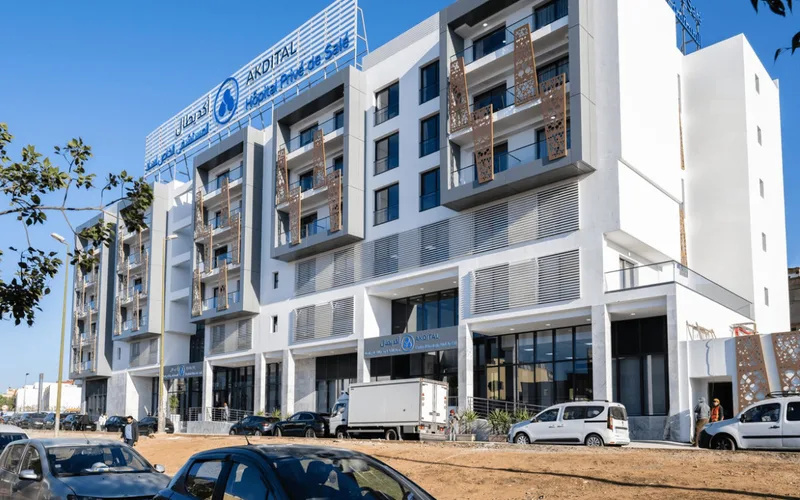
Speaking before the Social Sectors Commission (CSS), Hamouni indicated that "the language of figures does not lie: a group of private clinics listed on the stock exchange [founded in 2011 and now operating a network of over forty establishments] has experienced historic growth, surpassing the automotive industry and banks, generating more than two billion dirhams in six months." The opposition party deputy recalled that "during the same semester, more than forty establishments have emerged, equipped with doctors and equipment comparable to those of a university hospital, while public hospitals have been announced without ever being completed."
For the parliamentarian, "the government has exploited the investment law to the benefit of private clinics." Meanwhile, "the public sector remains mired in overwhelming slowness," laments Hamouni, who regretted that "this model, which should have inspired the public hospital, has only been applied to the private sector." "Instead of building hospitals in remote regions, it is Casablanca and Rabat that are seeing the emergence of new clinics, to the detriment of neglected areas," he protested, before asking: "for whose benefit is the reform being blocked, if not for those who benefit from the failure of the public sector?"
The PPS deputy also stated that "the opposition has never perceived the slightest sign of receptivity to the warnings issued about the state of the sector," accusing the majority of "being content to repeat expressions like ’unprecedented,’ as if they were indisputable achievements, when reality demonstrates the opposite." He went on to specify that "the Minister of Health, when he appears alone before Parliament, is subjected to criticism from all sides, from both the opposition and the majority," while "the presence of the Head of Government to address the same issue raises no objection in the ranks of the majority."
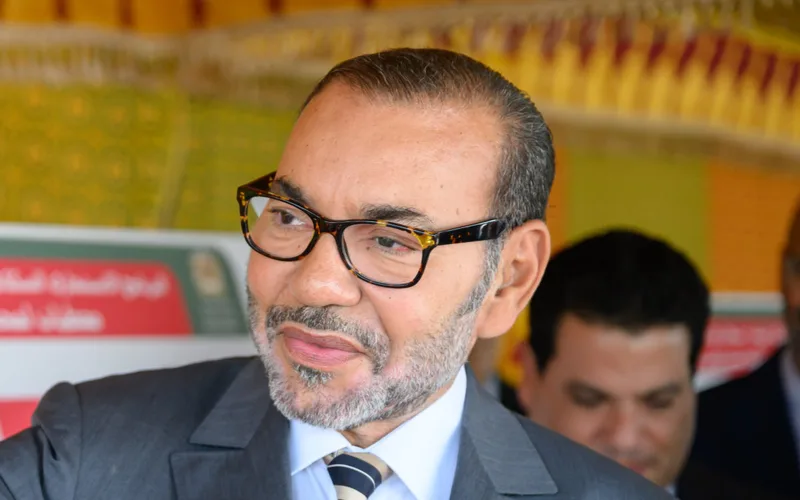
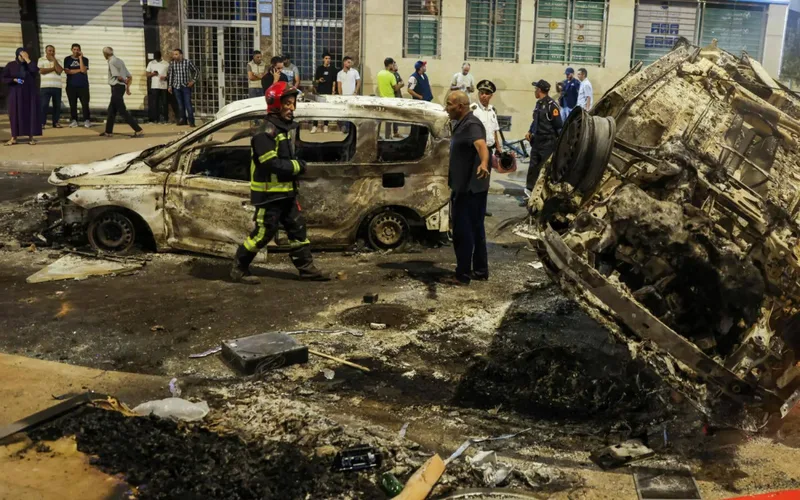
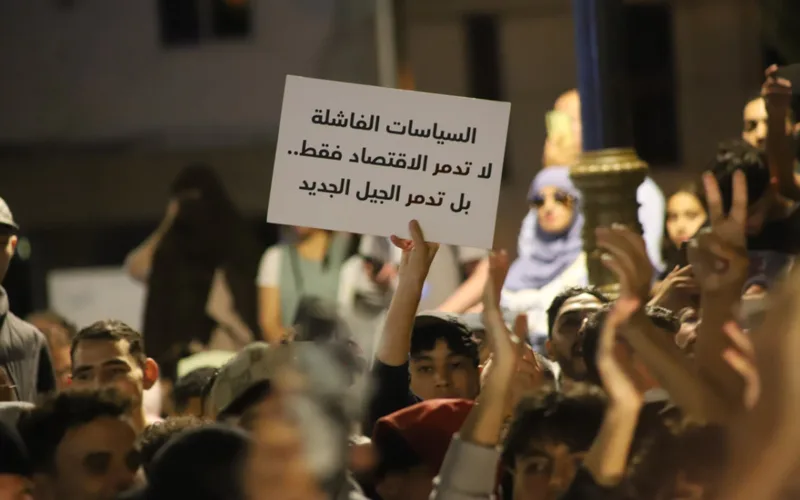
Hamouni did not fail to mention the recent demonstrations of the GenZ 212 youth, stressing that "the shortcomings of health have been accumulating for many years, linked to legislative, financial and human constraints," which "led King Mohammed VI to call for a comprehensive overhaul of the health structure." The opposition deputy invited the government to prioritize "dialogue and listening" and to avoid "prohibition or repression," also urging the youth not to commit criminal acts during their demonstrations. "Only the peaceful nature of the protests can preserve the legitimacy and credibility of the demands."