Morocco: The End of the Traditional Extended Family?
The latest HCP report confirms a profound transformation of the Moroccan family. Households are increasingly living with fewer generations under the same roof, in favor of smaller households organized around the couple and children.
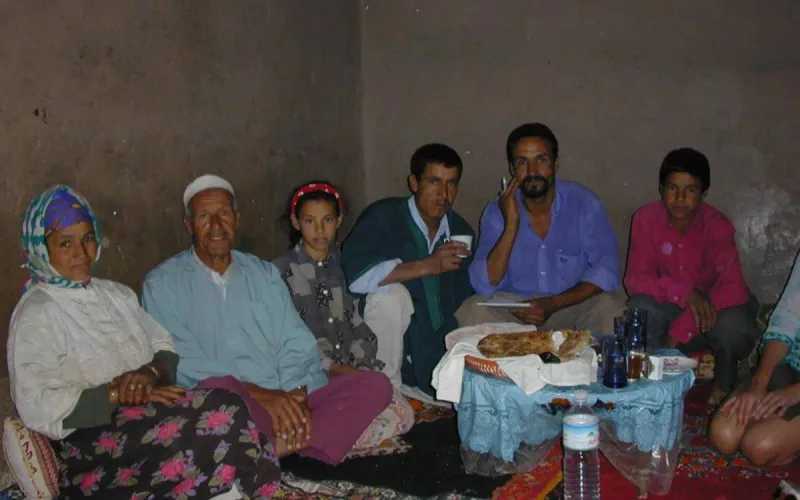
In Morocco, the image of the large family united under one roof is gradually fading. According to the results of the HCP’s 2025 National Survey on the Family, the Moroccan family remains a pillar of solidarity, but its forms of cohabitation have changed dramatically over three decades.
On Bladi.net : End of Large Families: Why 70% of Married Moroccan Women Don’t Want More Children
The clearest trend is the rise of the nuclear family. It now represents 73% of households, compared to 60.8% in 1995. This model, centered on the couple and unmarried children, has taken hold in both urban and rural areas. In urban settings, nuclear families increased from 63% to 72.9%, while in rural areas they grew from 58.1% to 72.7%.
Conversely, extended families are declining sharply. They represented 35.2% of households in 1995, compared to only 19.8% in 2025. The decline is particularly steep in rural areas, where their share dropped from 38.7% to 22.1%. In cities, it also fell, from 32.3% to 18.8%.
This decline primarily affects multigenerational cohabitation. Multigenerational households, which once brought together parents, married children, grandchildren, or elderly relatives under one roof, fell from 29% in 1995 to 16.8% in 2025. The drop is even more pronounced in rural areas, where this form of cohabitation declined from 33.8% to 20%.
The HCP attributes this shift to several fundamental transformations: urbanization, residential mobility, changing lifestyles, housing constraints, and the desire for greater autonomy. The average household size has thus declined from 4.6 people in 2014 to 3.9 in 2024, falling below the symbolic threshold of four people per household.
This evolution does not necessarily signal the disappearance of family solidarity. The report emphasizes the need to distinguish between the decline in cohabitation and the intensity of family ties. Families can live separately while continuing to support each other through visits, money transfers, services rendered, or geographic proximity.
On Bladi.net : Morocco: Farewell to the extended family
But the change runs deep. Moroccan solidarity increasingly relies less on living together and more on ties maintained at a distance. The extended family has not disappeared, but it shares the same roof less and less.