Morocco: a customer has a bank heavily fined
The Commercial Court of Casablanca has ruled in favor of a customer whose bank card had been retained by an ATM. The bank was ordered in early November to pay compensation of 5,000 dirhams for the damage suffered, with the court pointing to negligence in the management of the service during a period of renovation work.
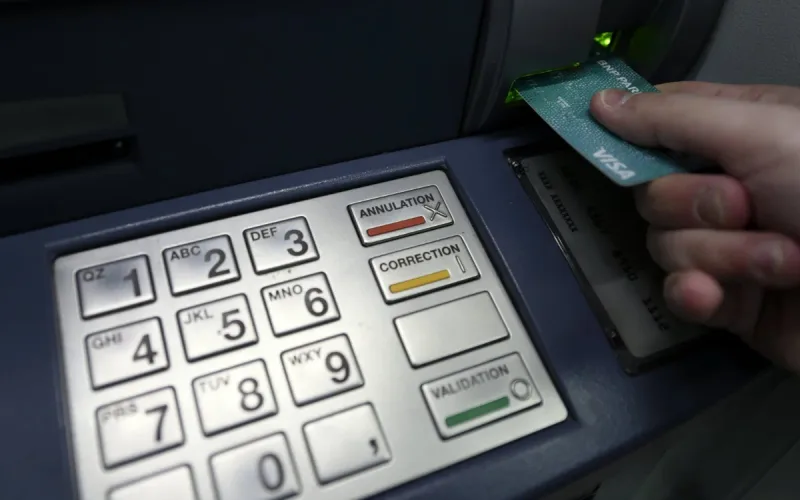
The case concerns a user who was unable to retrieve his card immediately after it was swallowed by the ATM during a withdrawal. The branch to which the machine was attached was closed for renovation, and the return of the means of payment did not take place until four days later in an alternative branch. While the court acknowledged that the capture of the card may result from technical or security reasons, it considered that the bank’s liability was engaged for failure to fulfill its duty of organization. The judgment qualifies as "manifest negligence" the fact of leaving an operational ATM without a team capable of intervening in the event of a malfunction.
The deprivation of use recognized as compensable damage
In its defense, the financial institution argued that the branch was closed for renovation work and that customers had been informed. This argument was rejected by the court, especially since a bailiff found that it was impossible to see the information notice when using the ATM, which had remained active. The court stated that the bank’s obligation extends to guaranteeing the security of services, which required either deactivating the device or providing technical assistance.
Regarding the nature of the damage, the court also rejected the defense’s position, which denied the existence of any damage on the grounds that the card had been quickly recovered. Based on the Code of Obligations and Contracts, the verdict establishes that the bank card is a right allowing the customer to dispose of their funds at any time. The temporary deprivation of this use therefore constitutes in itself an infringement of a legitimate right and certain damage that must be repaired, without the need to prove a direct financial loss.