
Morocco Cash Surge 2025: Economy Explodes With 18.5% Growth
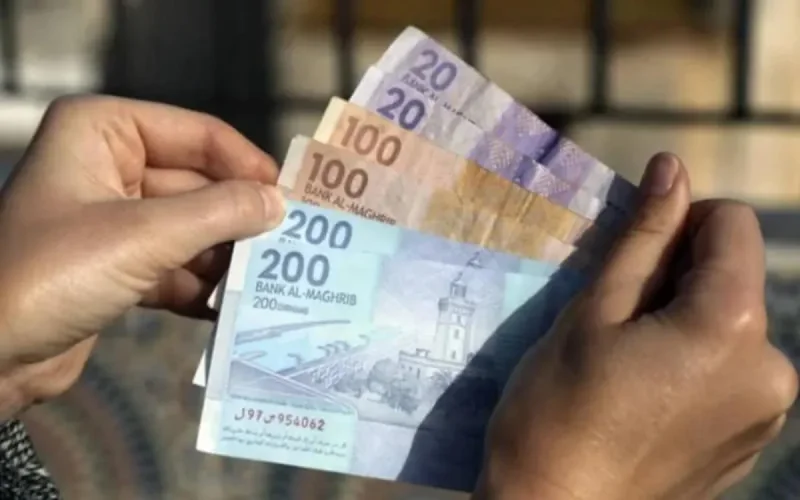
Growth was supposed to slow after tax regularization operations. It ultimately gained unexpected momentum. Despite the proliferation of bank cards, mobile wallets and digital payments, cash continues to occupy an increasingly important place in the Moroccan economy.
Fiat currency in circulation surged 18.5% in 2025 to reach 491 billion dirhams, according to Bank Al-Maghrib’s annual report. This amount represents 28.5% of gross domestic product, a ratio that the central bank ranks among the highest internationally.
On Bladi.net : Why cash remains the great king in Morocco
The acceleration is all the more spectacular given that the average annual increase in cash had been limited to 6.2% between 2010 and 2019. It then rose to 10.6% between 2020 and 2024, notably due to the pandemic and demand for liquid money held as a precaution. In 2024, growth had slowed to 5.2%, linked to the voluntary regularization operation of individuals’ tax situations.
Bank Al-Maghrib therefore expected a gradual return to the pre-pandemic pace. The opposite occurred. The central bank attributes this surge to accelerating economic activity, strong growth in tourism revenues, supported at year-end by the Africa Cup of Nations, as well as the distribution, from November onwards, of direct aid to livestock farmers as part of herd reconstitution.
Digital does not dethrone banknotes
This growth is not explained solely by 2025’s economic conditions. Trade, construction and public works, as well as certain liberal professions, remain sectors where cash settlements are very widespread. Economic uncertainty also pushes part of the population to keep liquid money as a precaution or to hoard it.
The importance of the informal economy constitutes another central factor. Bank Al-Maghrib estimates it represented on average 34% of GDP between 2021 and 2023, compared to approximately 30% between 2009 and 2019. The bank also mentions phenomena more difficult to measure, such as tax evasion, illicit financial flows and illegal activities.
This cash dominance persists despite progress in financial inclusion. In 2024, 58% of Moroccan adults held a bank account, compared to 53% in 2020. The country also had 22.6 million bank cards and 13.7 million mobile wallets, plus the gradual dematerialization of administrative payments and social assistance.
For Bank Al-Maghrib, this cash dependency entails significant costs for production, management and distribution of banknotes and coins. It also increases risks related to theft, illicit activities and tax evasion.
On Bladi.net : Morocco is drowning in cash
The bank notably recommends facilitating access to financial services in rural areas, dematerializing CNSS benefits and local taxes, equipping merchants with less costly payment terminals and generalizing electronic invoicing. It also proposes an instant payment platform based on an interoperable QR code and a cap on interchange fees at 0.65%.
Related Articles
-
220 dirhams on construction sites, up to 400 in the fields: Morocco lacks workers
25 August 2026
-

This Israeli company equips defense giants and also has clients in Morocco
24 August 2026
-

After three days in Algeria, a sanctioned Russian ship passes near Morocco
24 August 2026
-

In Brussels, a Moroccan name and being over 50: the profile most disadvantaged in hiring
24 August 2026
-
Morocco Has a New Billionaire Forbes Has Yet to Spot
24 August 2026