Morocco-Algeria: The political crisis costs billions to the countries of the region
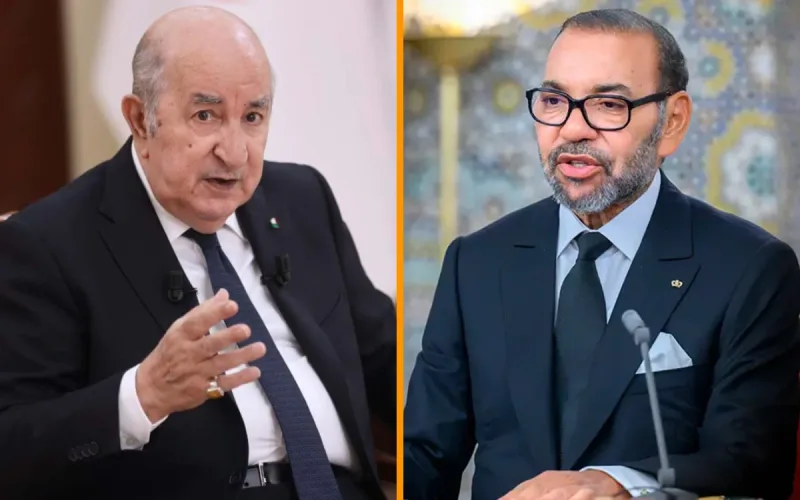
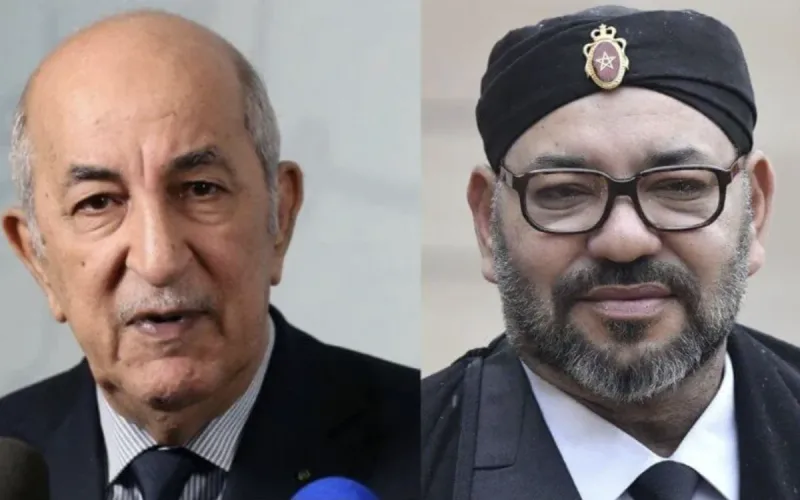
King Mohammed VI’s outstretched hand to Algeria after the UN Security Council resolution on the Moroccan Sahara has relaunched the debate on the economic cost of the non-Maghreb. For decades, the region has been depriving itself of several growth points and a real lever of shared economic sovereignty.
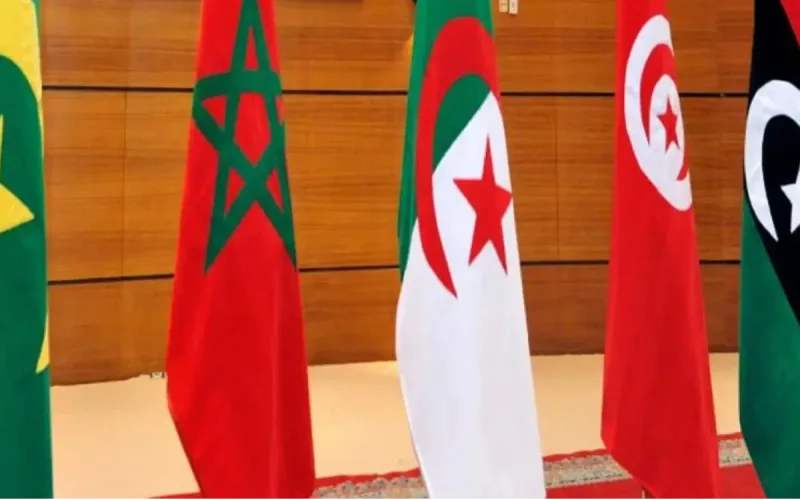
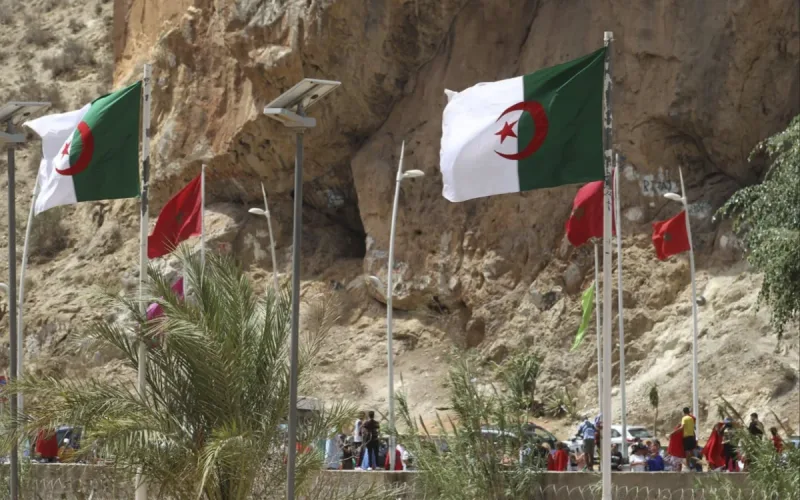
The Maghreb is one of the least integrated regions in the world with intra-regional trade accounting for less than 5% of total trade, according to the IMF’s Africa Department. The reason is the Sahara issue that divides Morocco and Algeria. In his speech following the Security Council resolution on the Sahara in favor of Morocco, King Mohammed VI has again extended his hand to Algeria to end this political crisis that has lasted for decades in order to think about development. The creation of a Maghreb economic union bringing together Morocco, Algeria, Tunisia, Libya and Mauritania would promote smoother trade, better-oriented investments and productivity gains for the region, analyzes Médias24.
For two decades, the non-Maghreb has penalized the states of the region. According to the African Development Bank (AfDB), this non-integration creates a shortfall of 1 to 3 percentage points of growth per year. World Bank scenarios show that "deep" integration, based on reforms of services and the investment climate, can lead to a GDP increase of more than 30% within ten years. World Bank studies by Paloma Anós Casero and Ganesh Seshan for the period 2005-2015 reveal that deepening trade with the European Union increases real per capita GDP by about 15% in Algeria, 16% in Morocco and 14% in Tunisia. With full liberalization of services and an improvement in the business climate, the gains could reach 34% in Algeria, 27% in Morocco and 24% in Tunisia.
A Maghreb bloc anchored to the European Union with reforms of services and the investment climate would give a real per capita GDP of around 57% in Algeria, 51% in Morocco and 38% in Tunisia compared to the baseline scenario. Other research confirms these prospects. The study by Bchir, Ben Hammouda, Oulmane and Sadni Jallab, entitled "The Cost of Non-Maghreb: Achieving the Gains from Economic Integration", published in 2006 in the Journal of Economic Integration, shows that the gains of regional integration between the Maghreb countries would be enormous. The establishment of a free trade area would lead to an increase in production of around 350 million dollars.
Clearly, Maghreb integration would have considerable economic repercussions for the countries of the region. "Beyond Algerian gas and oil, which are not of central strategic interest as often considered by the supplier country, the economic interest of the rapprochement lies in the structural complementarity of the Maghreb countries. Algeria and Libya have higher purchasing power and potential demand, capable of absorbing tradable goods and services, while Morocco offers competitive potential supply capacities ready to serve this demand for export or locally by investing in it," confirms an economist contacted by Médias24.
And to continue: "Morocco is positioned to capture regional tourism flows, provided that mobility and payment frictions are eased, as the tourism multiplier on employment and foreign exchange is immediate. Moroccan engineering and construction companies can deliver infrastructure in the region at a competitive cost. Moroccan financial services can become a driver of integration. The aggregated market base becomes broader and the attractiveness of FDI improves for all, with a ripple effect starting from Moroccan logistics and industrial platforms and extending to the region."
Regional peace would also free up significant budgetary resources. "The assets are numerous and the potential is high. A gradual budgetary de-escalation on military spending would create savings and fiscal leeway that could be redirected towards more productive and higher-yielding investments in favor of a regional economic integration beneficial to all," concludes the economist. Integration that, in the long term, could lead to regional monetary convergence.