Morocco's 2026 Budget Prioritizes Green Growth and Social Reforms
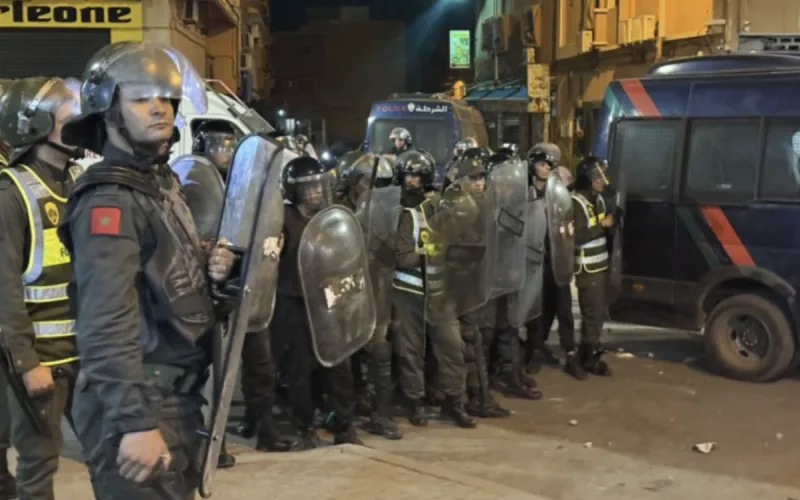
Important guidelines for the coming year were outlined this Sunday during a Council of Ministers chaired by King Mohammed VI in Rabat. The meeting was an opportunity to examine the broad outlines of the 2026 budget and to approve several major legislative and regulatory texts, outlining the economic, social and institutional priorities of the Kingdom. Between the lines, responses have been given to GenZ 212.
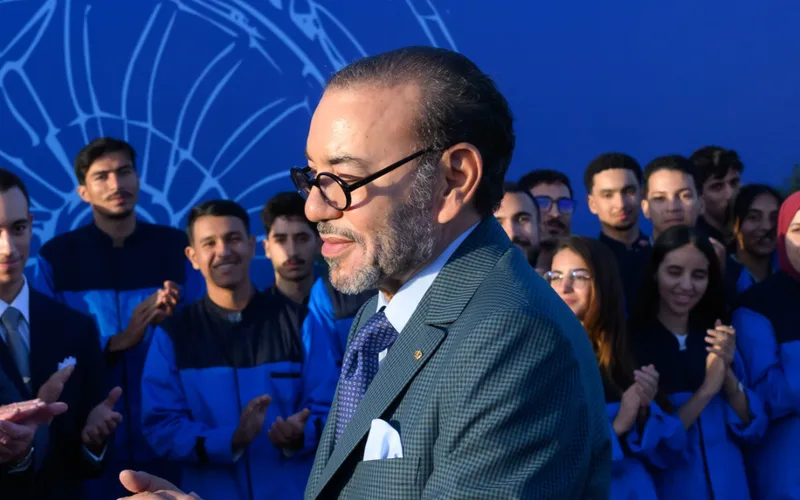
The draft finance law for 2026, presented by the Minister of Economy and Finance, is part of an uncertain international context but is based on a positive national dynamic, with expected growth of 4.8% this year, controlled inflation and a contained budget deficit. The budgetary guidelines are structured around four major priorities, starting with the consolidation of economic achievements. The focus will be on stimulating private investment, deploying the Morocco offer for green hydrogen and providing stronger support to SMEs for job creation.
The second priority axis concerns the launch of a new generation of territorial development programs, based on local consultation and aimed at strengthening advanced regionalization, with particular attention paid to the most precarious areas. In this framework, a significant budgetary effort will be devoted to the health and education sectors, which will receive a total envelope of 140 billion dirhams and will benefit from more than 27,000 job creations. The third pillar is the consolidation of the social state, through the continued generalization of social protection, the operationalization of direct social assistance - with an announced revaluation (50 to 100 dirhams) of aid for children - and the implementation of the retirement and unemployment benefit components, as well as the maintenance of housing assistance.
Finally, the fourth priority is the continuation of structural reforms, in particular that of the organic law relating to the finance law for better governance of public policies, the reform of public enterprises and the modernization of the judicial system. In the continuity of these institutional reforms, the Council approved four draft organic laws. Two concern the electoral process and political parties, aiming to moralize legislative elections, simplify the candidacy of young people and modernize the functioning of parties. The other two texts deal with the Constitutional Court, defining the procedure for the exception of unconstitutionality and adjusting the operating rules of the Court.
The Council also adopted two decrees related to the military field. The first establishes a special status for the officials of the General Directorate of Information Systems Security in order to attract the necessary skills. The second adapts the functioning of the Royal School of Military Health Service to the reform of the health system. Fourteen international, bilateral and multilateral agreements, covering various areas such as judicial cooperation, military or social security, also received the approval of the Council.