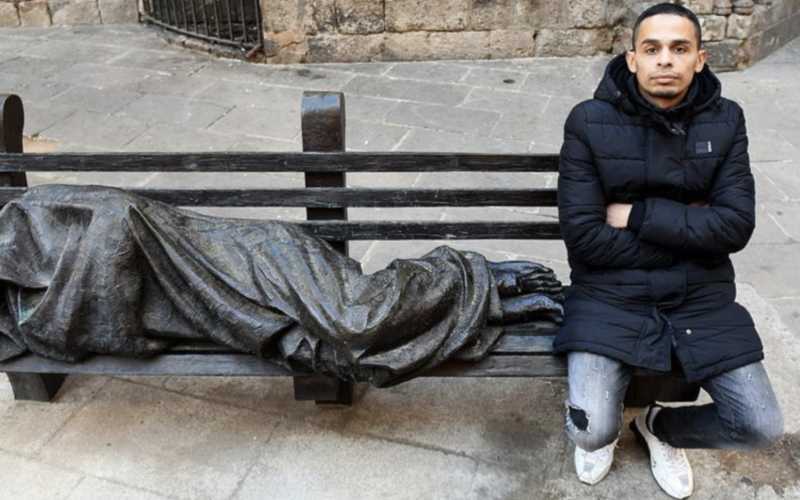
Moroccan woman with breast cancer loses job and housing in Spain
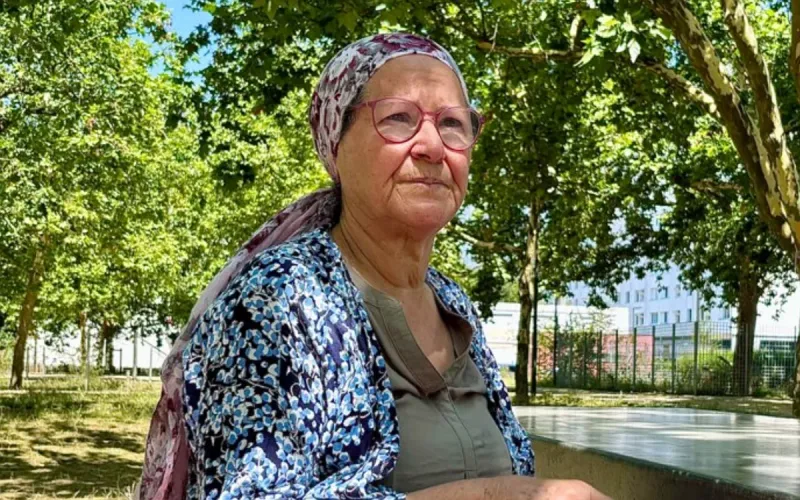
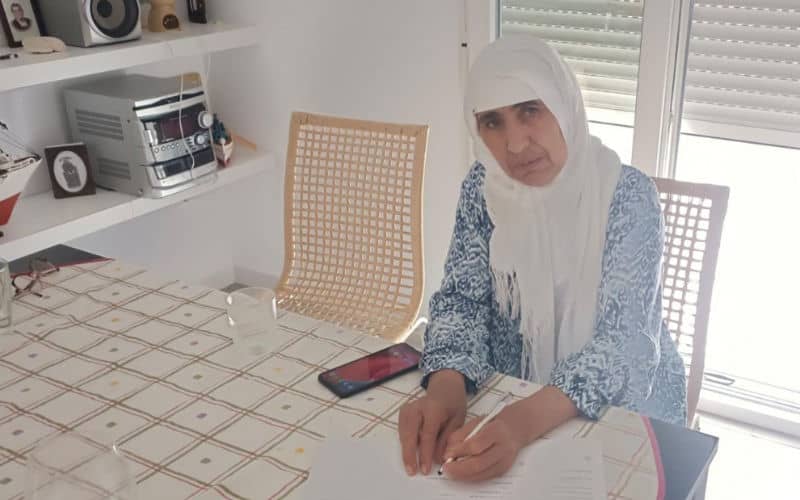
Majida Bekkaye, a 67-year-old Moroccan woman living in Spain, says she lost her home and income after learning she had breast cancer. Housed by the family that employed her as a domestic worker, she had to turn to Barcelona’s social services to find shelter.
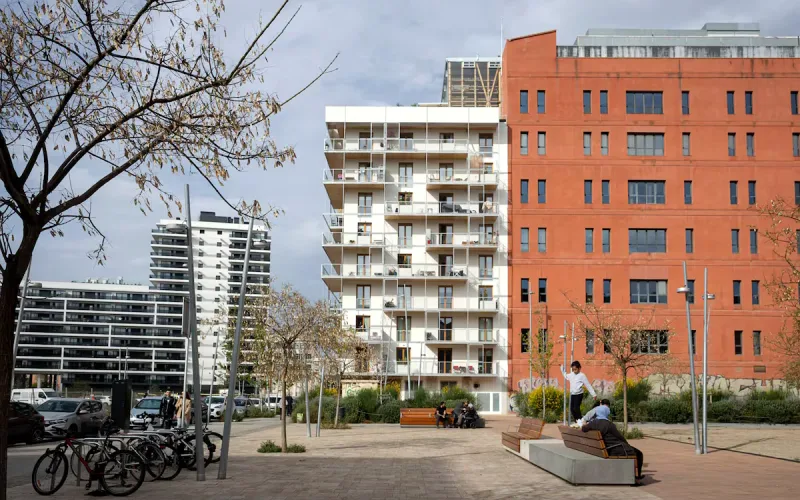
When she arrived in Spain seven years ago, Majida Bekkaye found a job with a family that also provided her with accommodation. The Moroccan woman cleaned, prepared meals and looked after the children. But while completing the paperwork needed to obtain her residence permit, doctors diagnosed her with breast cancer. According to her account, the family that employed her then turned her out.
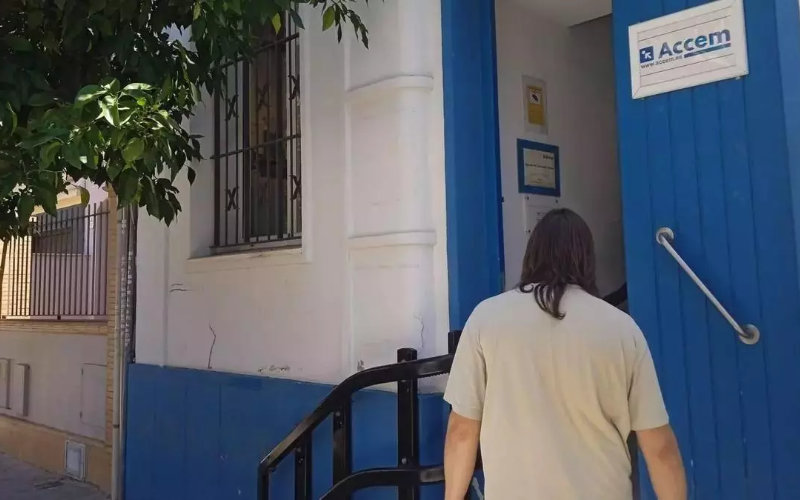
With no salary or other resources, Majida sought help from associations and social services. She eventually secured a place in a social housing residence in Barcelona, where she has lived for four years. The facility is near the medical center where she receives treatment.
Her story was reported by the Spanish daily El País in an investigation published on Wednesday, November 11. The newspaper looks at those most exposed to the housing crisis, particularly low-income households, young people and immigrants.
Immigrants especially hard hit by Spain’s housing crisis
A study by the Valencian Institute of Economic Research (Ivie), conducted with the BBVA Foundation, measures the difficulties faced by these groups. According to the findings published in September 2026, 25.8% of households headed by immigrants spend more than 40% of their income on housing, compared with 9% of the Spanish population as a whole.
Among households headed by young people, that share reaches 19.6%. The study highlights in particular the difficulties people on low incomes face in finding a rental at market rates.
On Bladi.net : Moroccan Family of Six Children Evicted in Spain as Landlord Sought His Only Apartment
Even today, at 67, the Moroccan woman depends on a social services organization for housing. “For me, housing isn’t a question of money; it’s a question of survival,” she tells El País.