Moroccan Warships Cut Off Identification Signals Near Ceuta, Ignoring Spanish Calls
The July naval standoff near Ceuta has yielded new details. El País reveals communications between the Moroccan and Spanish navies and the maneuvers of the patrol boat Isla Pinto, which reportedly narrowly avoided a collision.
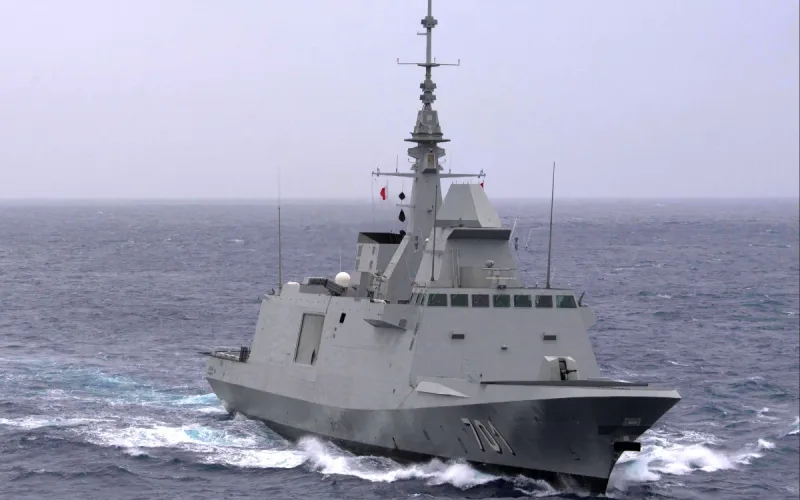
On radio channel 16, Spanish military personnel called the Moroccan vessels. There was no response, according to sources cited by El País on October 26. On July 30 and 31, the Royal Navy vessels also reportedly switched off their AIS signals, while remaining detectable by radar.
On Bladi.net : Spanish and Moroccan Warships Nearly Collide Off Ceuta
The calls were made on a frequency used for distress and maritime safety communications. When there was no response, Spanish patrol boats moved closer to signal visually that the Moroccan vessels should leave the waters around Ceuta claimed by Madrid.
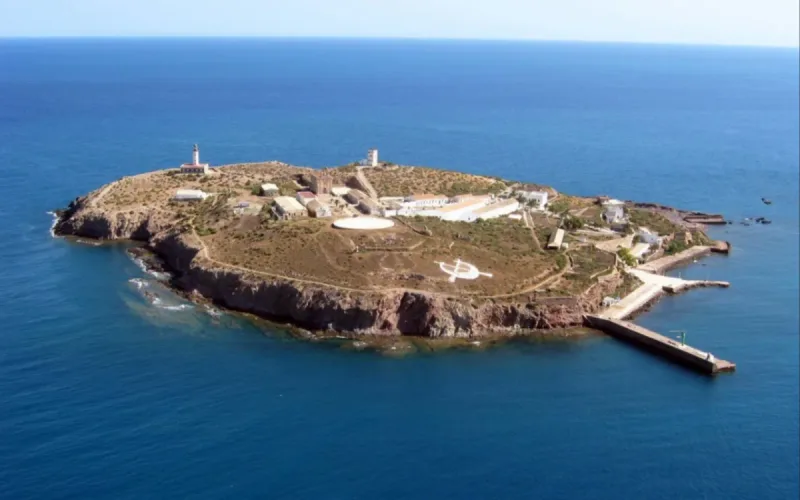
During one of these maneuvers, the Isla Pinto, a 20-meter Spanish patrol boat with a crew of ten, nearly collided with a Moroccan vessel, according to the daily. Usually based in Melilla, it had been sent to Ceuta as reinforcement.
Radar continued to track the Moroccan frigates
AIS automatically transmits a vessel’s identity, position, heading and speed. Its use is not mandatory aboard warships. The system nevertheless helps improve safety in the Strait of Gibraltar, where many vessels pass.
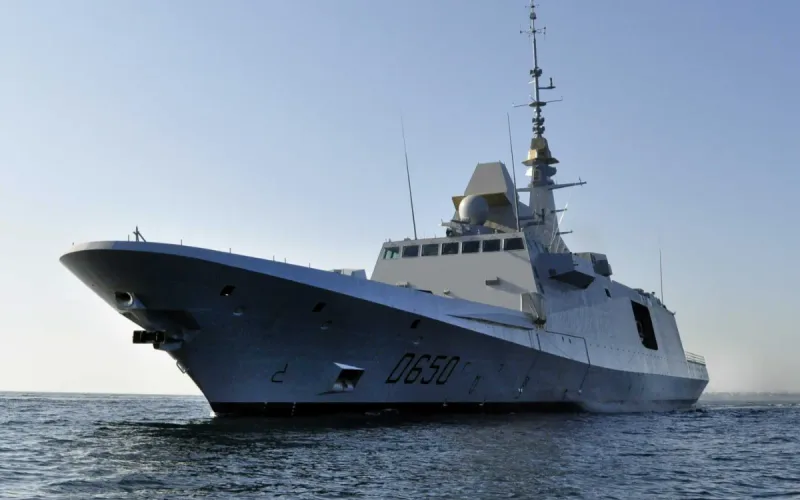
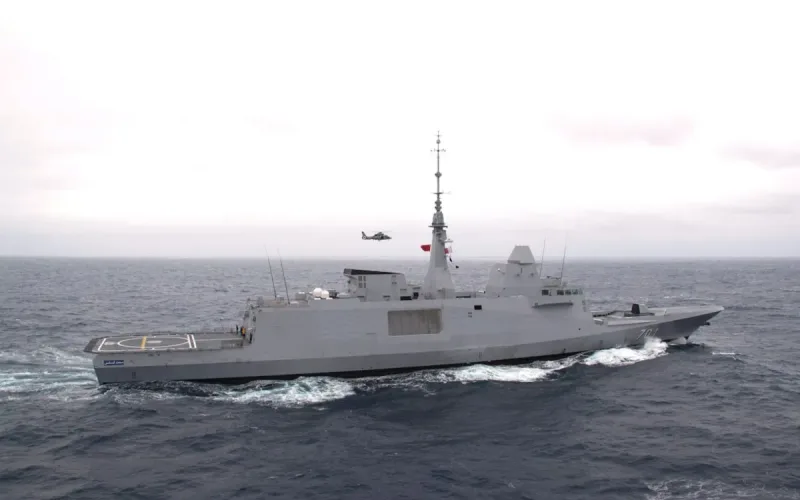
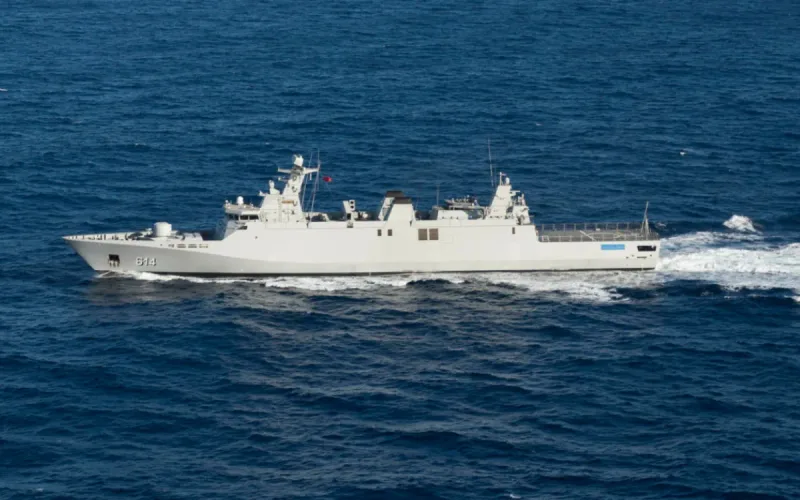
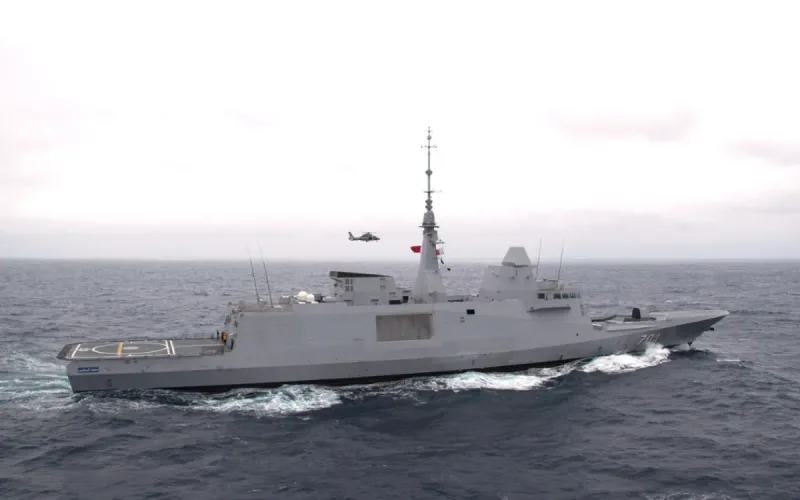
Spanish radar continued to track Moroccan movements. El País specifically identifies the Sigma-class frigate Tarik Ben Ziyad as one of the vessels that entered the area several times. The newspaper distinguishes this vessel from the Hassan II, photographed on July 31 near Tarajal.
On Bladi.net : Spanish Court Seeks Answers From Military Over Moroccan Ships Near Ceuta
Madrid stepped up surveillance with the Rayo, followed by the frigates Santa María and Navarra, the latter replacing the former after a mechanical failure. Exchanges between officials from the two countries brought the incidents to an end in early August.
Spanish prosecutors now want to clarify these movements. In an order dated October 21, Judge María Tardón asked the Ministry of Defense to provide details of the Moroccan vessels’ passages, the contacts made with them and the available military recordings.