Moroccan Teen Who Hoped to Become a European Model Sleeps in a Car in Ceuta
He wanted to become a model in Europe. At 17, the teenager from Tetouan crossed the border into Ceuta with high hopes. Two months later, he is sleeping in a car after experiencing life on the streets, assaults and nights spent paying to sleep in a garage.
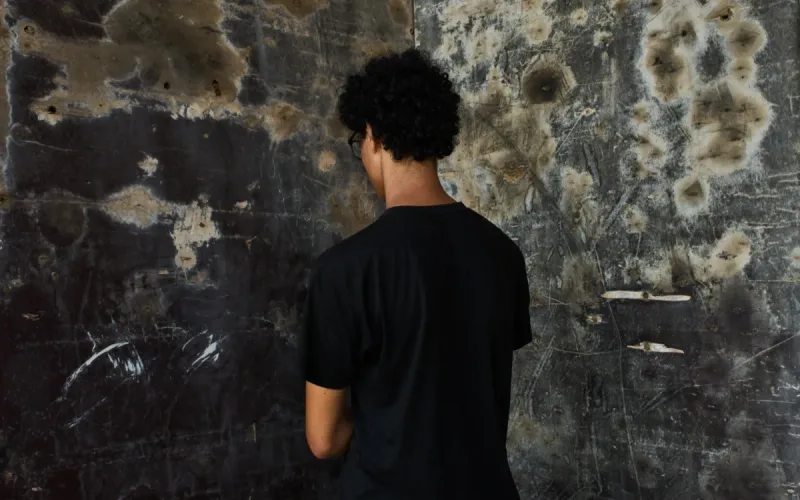
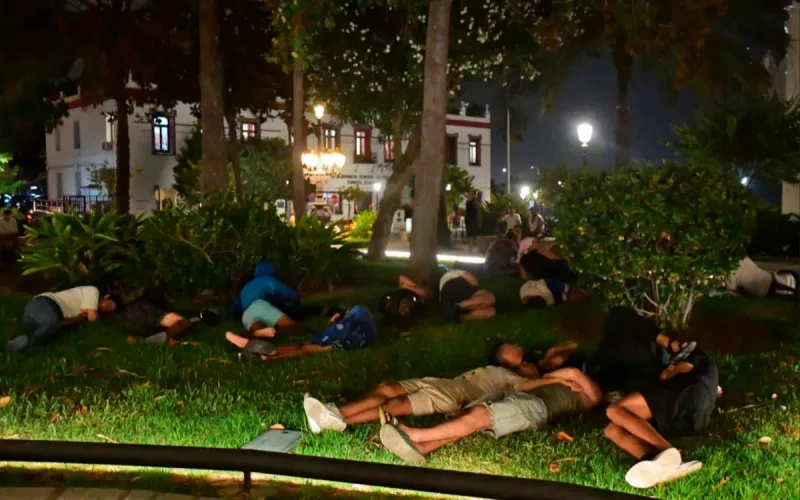
Fifteen euros a night to sleep in a garage. That is what the Moroccan teenager initially paid, along with two other minors, after arriving in Ceuta in late July. Short of money, he had to leave. Since then, he has looked every night for somewhere to sleep. In early October, he found shelter in a car with other young Moroccans, the American news agency Associated Press reports, after meeting him there.
On Bladi.net : 48 days on the streets of Sebta: Saad ultimately chooses to return to Morocco
Before leaving, the boy worked with his father, a butcher in Tetouan. A high school graduate, he believed he had few career prospects in Morocco. His dream was to become a model in Europe. He thought the difficulties of his arrival would last only two or three weeks. His family, who stayed behind, encourages him to pursue his plan despite the conditions in which he is living.
Two months on the streets, facing assaults and fear of being sent back
The reality is far more difficult. The young Moroccan says he has been assaulted twice by people trying to rob him. He now avoids certain places and is especially afraid of police checks. Being sent back to Morocco would mean the end of his European dream.
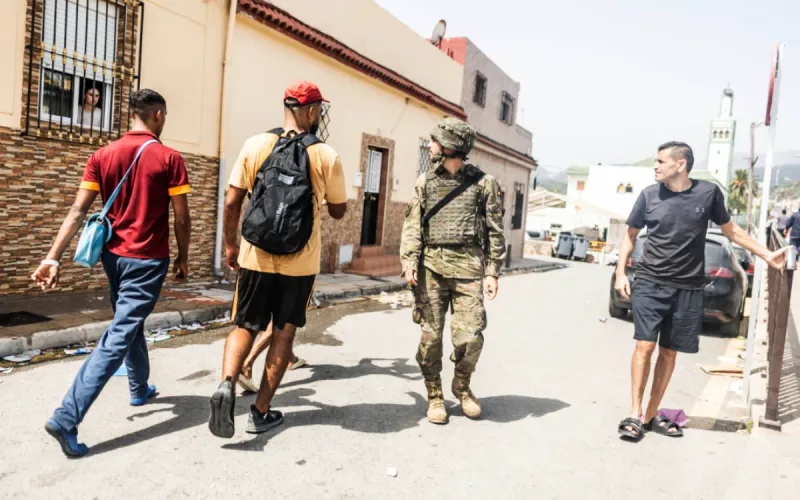
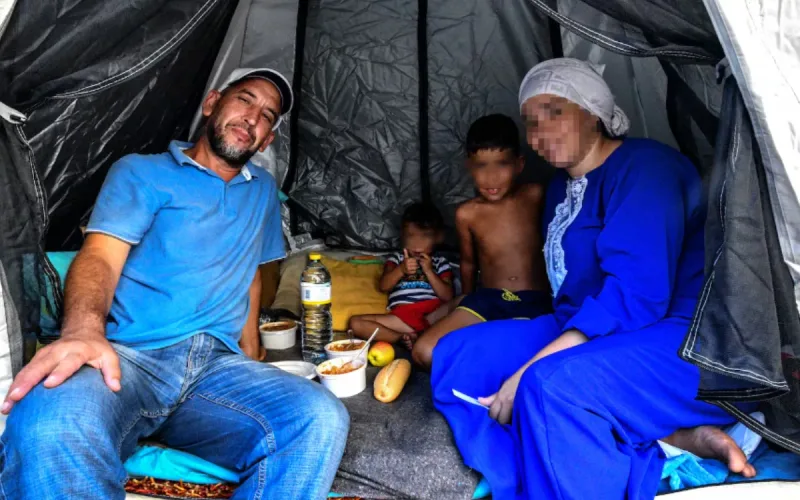
His account comes as hundreds of foreign minors are still waiting for care in Ceuta. Some sleep on cardboard or abandoned sofas in makeshift camps. Others hide in the city’s streets. Spanish law nevertheless guarantees them access to accommodation, healthcare and education.
On Bladi.net : Teen in Spanish care in Ceuta says he was beaten and expelled to Morocco
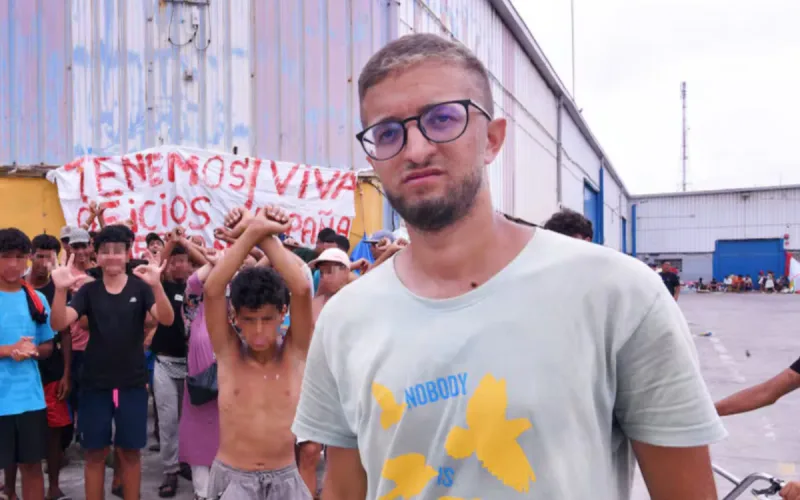
The boy regularly went to the camp on Trampolín beach to collect food distributed by the Red Cross. He also took part in gatherings of minors demanding a place in a reception centre. When police began clearing the camp in early October, some teenagers were given accommodation. He was not there that day.
Since then, he has kept a low profile, fearing a forced return to Morocco. “This is the first time I’ve felt exhausted since I arrived,” he told the Associated Press. Two months after crossing the border, he is still waiting to get off the streets.