Moroccan Parliament Raises Alarm Over Olive Oil Fraud and Food Safety Concerns
The proliferation of fraud on olive oil is a concern for the Moroccan Parliament. MP Naima El Fathaoui has addressed a written question to Mohamed Sadiki, Minister of Agriculture, Maritime Fisheries, Rural Development, Water and Forests.
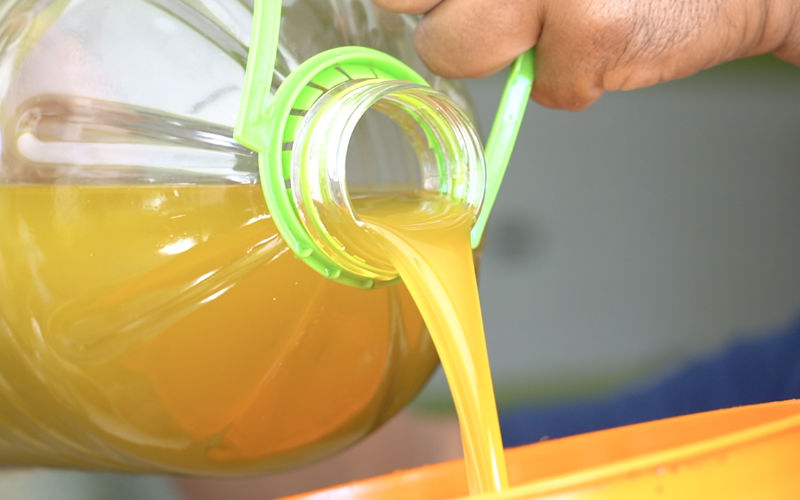
The issue of counterfeit oils and unmonitored oil mills is a matter of concern for MP Naima El Fathaoui. In a written question, she explained to the Minister of Agriculture, Maritime Fisheries, Rural Development, Water and Forests that Moroccans are known for their strong demand for olive oil, which increases the risk that unfit oils for consumption reach their homes, due to the spread of certain fraudulent and deceptive practices among the promoters of these oils. She thus alerted to the fact that this represents a greater threat to public health. Insofar as there is no information on the nature of the dubious substances that enter the composition of these oils.
The elected representative will explain that those behind the fraud add substances of unknown origin to olive oils, or store them for a long period in unsanitary conditions, in addition to the fact that some producers keep the olives in "landfills" in order to ferment them before pressing them, and add cooking oils to the oil extracted from them. To support her argument, she makes her own a statement by the president of the National Federation of Consumer Associations (FNAC). The latter denounced: "up to 80% of olive oils are produced and packaged in a traditional way, without respecting the standards of food safety".
After painting this gloomy picture, El Fathaoui questions the department of Mohamed Sadiki on the measures he will take to monitor olive oil mills and work to stop the activity of those who violate the rules, and not to be tolerant towards anyone caught in the act of fraud to make profits at the expense of the health of citizens. She also calls for mobilizing sufficient human resources for the National Office of Food Safety (ONSSA), so that it can play its role throughout the national territory, in coordination with the decentralized services.