The Moroccan monarchical system is the best in the Arab world
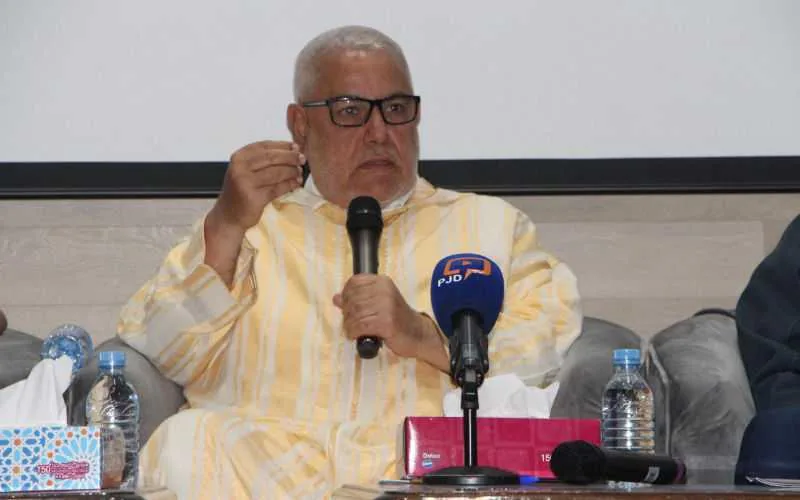
The former head of government, Abdelilah Benkirane, delivered an incisive political analysis during a meeting with the youth of his party (PJD) this Sunday, November 9. Mixing scathing criticism of the current government and defense of the monarchical institution, he also claimed a share of responsibility in the recent demonstrations of the "Generation Z".
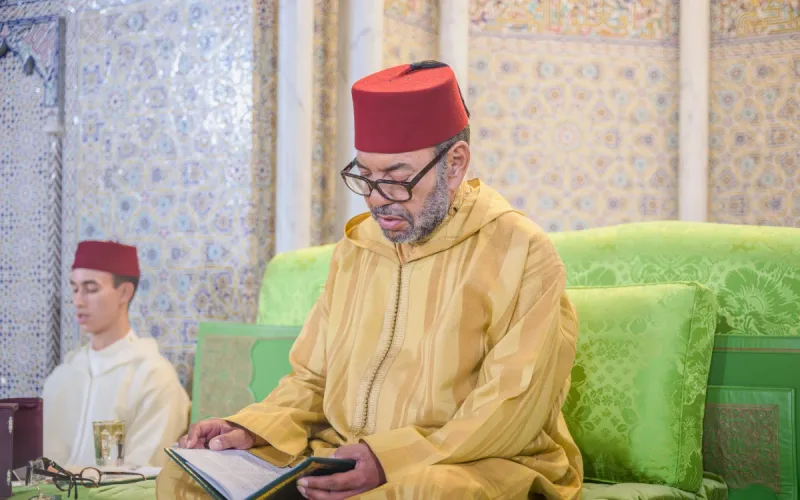
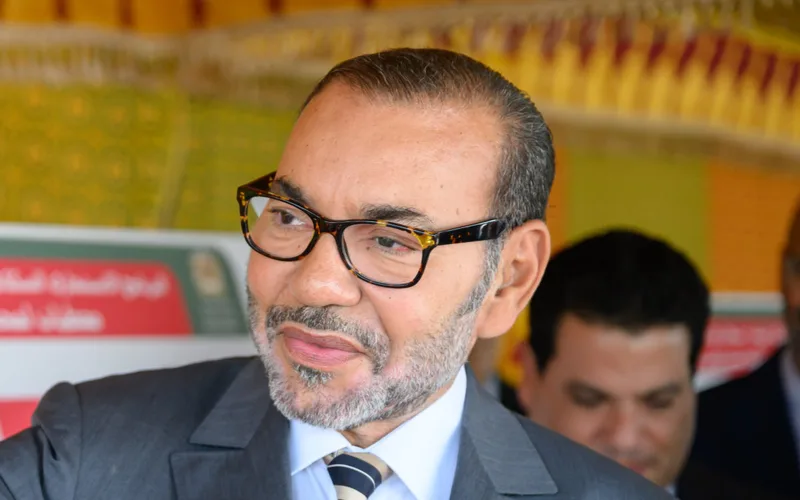
Speaking in Marrakech, the PJD Secretary General reaffirmed his support for the royal institution, describing the "Moroccan monarchical system as the best in the Arab world". He felt that the monarchy "not only guarantees stability, but also protects the weak against the domination of the powerful".
This defense of the monarchy was accompanied by criticism of the political class, including his own party. Mr. Benkirane stated that "when the parties fought for principles, the people’s interest in them was high, but when the negotiations and arrangements began, the people lost confidence in them". He distinguished the parties "born of the people" like the PJD or Istiqlal, from those "established by the State" like the RNI or the PAM.
"When the government doesn’t listen, society explodes in other ways"
The former Prime Minister did not mince his words towards the current executive, deploring its lack of communication. "I don’t know today’s ministers. [...] Today, no one speaks," he said, before directly targeting his successor: "Mr. Aziz Akhannouch has no political experience. He entered politics with his money, but politics is not just about money."
Abdelilah Benkirane made a direct link between the government’s silence and the recent demonstrations of the "Generation Z". He claimed that his party had "contributed to the emergence" of this movement by revealing the "dysfunctions of the government", which paid "no attention" to it. "When the government doesn’t listen, society explodes in other ways," he warned.
He also criticized the bill aimed at subsidizing the campaigns of young candidates in elections, seeing it as a "useless" measure and a "form of clientelism". According to him, young people took to the streets to correct real imbalances, and not for lack of financial support to get involved.
Among the other topics addressed, Mr. Benkirane opposed the increase in the quota of women in Parliament, believing that the current number was sufficient. He also strongly criticized the decision of the Ministry of Islamic Affairs to unify the Friday sermons, seeing it as a measure that "could threaten the Friday prayer itself" by making it lose its "vitality".