Moroccan men Spain marriages statistics surprising trends
Mixed marriages in Spain reveal fascinating dynamics, particularly for the Moroccan diaspora. Kingdom nationals rank among the most sought-after nationalities by Spanish citizens, with a unique trend that disrupts conventional patterns.
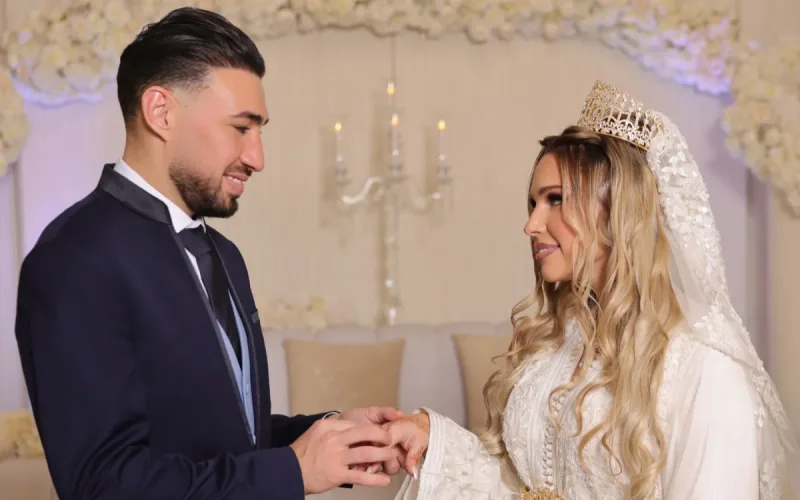
Matrimonial alliances between locals and foreigners are multiplying in our Iberian neighbor, and Moroccans occupy a leading position. Over the 2010-2024 period, Morocco stands out as the second country of origin recording the highest number of mixed unions in Spain, just behind Colombia. This strong affinity, documented by El Debate, confirms the deep-rooted presence of the Moroccan community. Although the natural tendency of individuals leans toward homogamy — uniting with people of the same origin and profile — the frequency of these Spanish-Moroccan marriages remains exceptionally high.
On Bladi.net : The Paradox of Numbers: Morocco’s Largest Community in Spain, Yet Last in Graduate Rankings
A striking specificity characterizes these unions, going completely against the classic Spanish model. As a general rule, 64% of mixed marriages involve a Spanish man and a foreign woman. However, with Morocco, the situation reverses radically: 61% of these marriages unite a Spanish woman with a Moroccan man, compared to only 39% for the inverse configuration. This statistical exception places Moroccan men in the same attractiveness dynamic as Western Europeans (Italians, British, French) among peninsula citizens.
On Bladi.net : Moroccans on the podium of professional integration in Spain
To explain this singular phenomenon, experts advance precise sociological arguments. The Centre for Demographic Studies at the Autonomous University of Barcelona highlights the importance of shared cultural heritage. A significant portion of these Spanish women married to Moroccans were actually born in Spain but themselves descended from Moroccan immigration. This strong identity link greatly favors these connections, creating a distinctive feature in a Spanish matrimonial landscape otherwise governed by highly codified socio-economic status searches.