Moroccan Kiri Cheese: Hidden Additives Spark Health Concerns
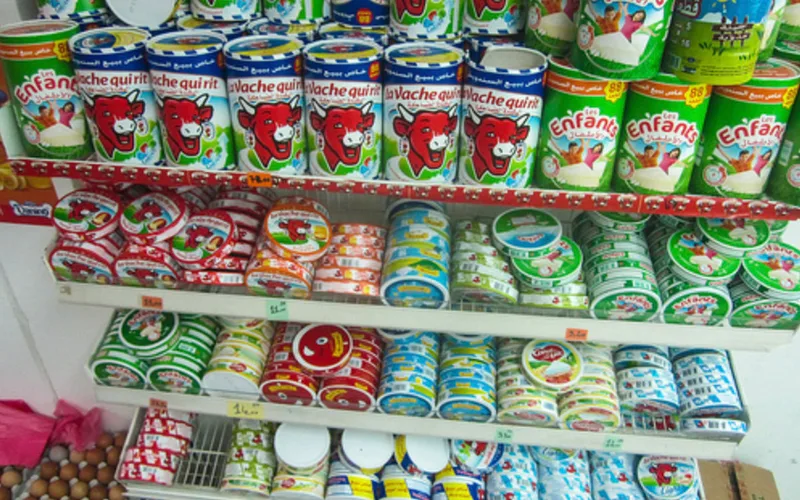
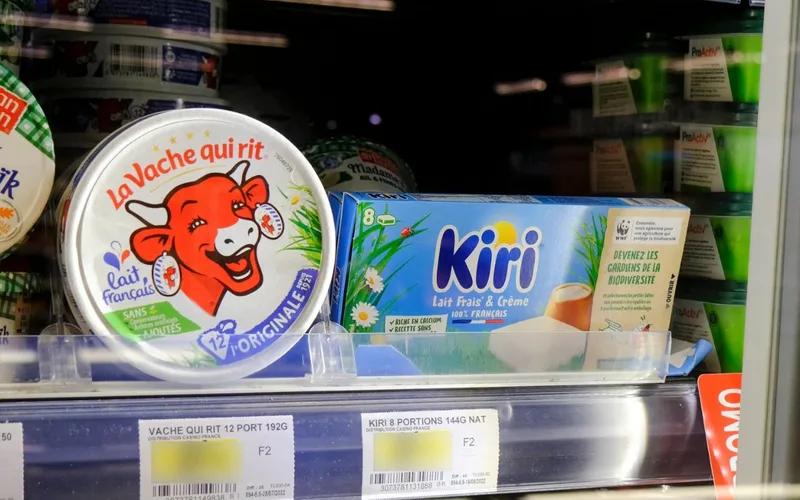
A comparison between the Kiri cheese sold in Morocco and the one marketed in France reveals a considerable gap in terms of composition and quality. Despite the denials of the company and the ONSSA, the damage is done.
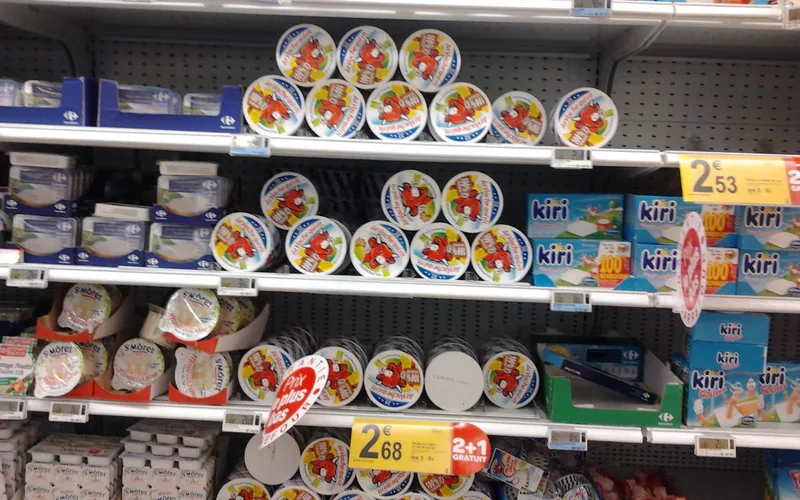
Following the video published on TikTok by a French content creator revealing the presence of food additives known to be dangerous and banned in France in certain spreadable cheeses, including Kiri, the Al3omk website compared the two products. This comparison reveals a considerable gap in terms of composition and quality between Moroccan Kiri and its French equivalent. Kiri produced in Morocco is an intensive industrial transformation, while its French equivalent contains natural ingredients.
An examination of a package of Moroccan Kiri (150 g) reveals a "mixture of white cheese and cream" containing several industrial additives intended to modify the basic product. Among them, "modified starch", used to thicken the texture and ensure the desired cohesion, a chemically treated ingredient, as well as "emulsifying salts", chemical compounds such as polyphosphate (E452), tricalcium phosphate (E341) and citric acid (E330). These salts are used to prevent the separation of fats and water, to maintain a homogeneous creamy texture and to extend the shelf life of the product.
Result: the Kiri cheese produced in Morocco is far from being a fresh cheese. The product is closer to the category of "processed" or "treated" cheeses. According to a recognized scientific study, published in the German medical journal Deutsches Ärzteblatt International in 2012, excessive consumption of added phosphates (present in large quantities in processed foods) can lead to an increase in blood phosphorus levels. This increase is associated with serious complications, including cardiovascular diseases - phosphorus promoting the calcification of arteries - and kidney problems, constituting an additional burden for the kidneys, especially in people with kidney failure, the study specifies.
Lower-income social classes are often the biggest consumers of these industrial products, exposing them more to these risks, the researchers point out. According to other studies, some food additives, such as modified starch or similar substances such as maltodextrin, can alter intestinal health. These additives, although authorized for consumption, can disrupt the balance of the intestinal flora in some people, causing long-term digestive problems, according to reliable medical platforms such as Verywell Health.
Based on these findings, the media questions the Fromageries Bel Maroc company about this double standard: why not unify the standards of quality and transparency in order to guarantee all consumers, regardless of their country, a safe and healthy product? The company would not have responded to this concern.