Historic rains in Morocco: 110,000 hectares submerged and 276 million euros to rebuild
Morocco announced on Thursday an emergency fund of 3 billion dirhams (276 million euros) to support the victims of the devastating floods in the northwest of the country, where historic rains have submerged villages and farmland.
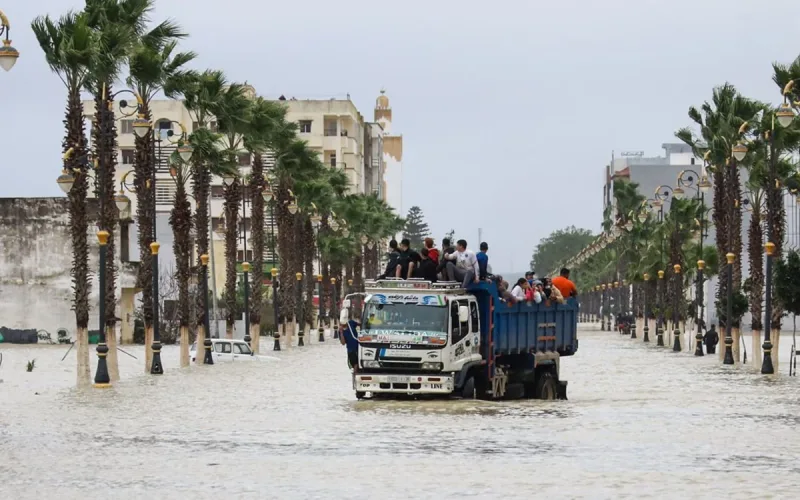
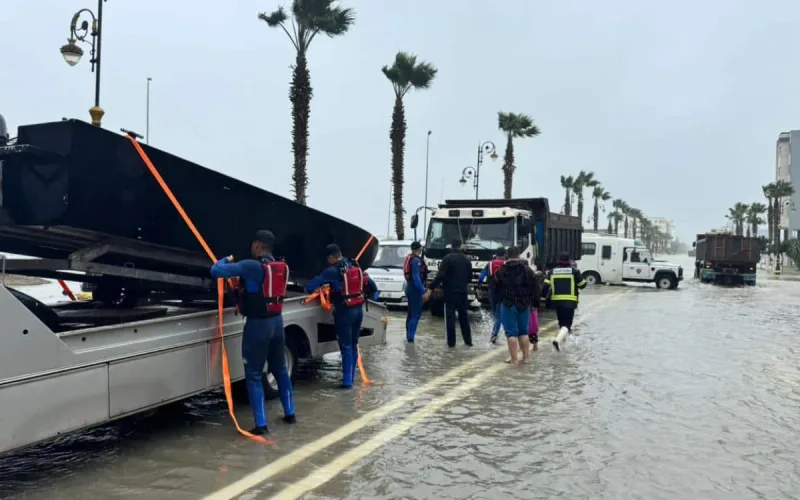
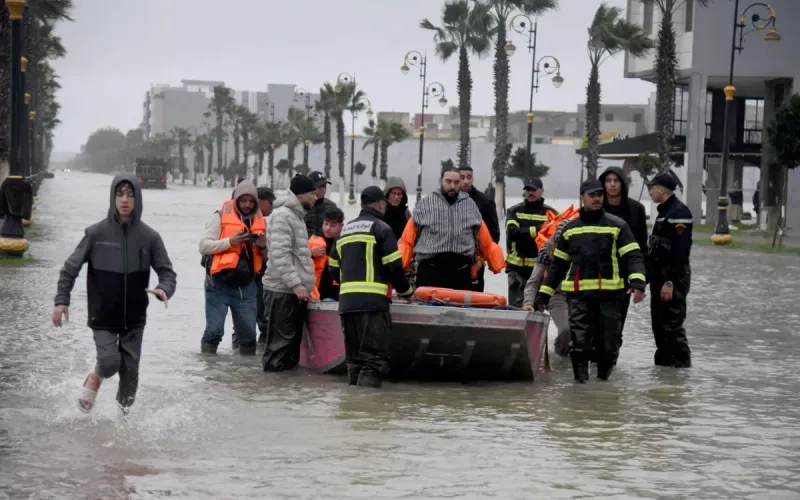
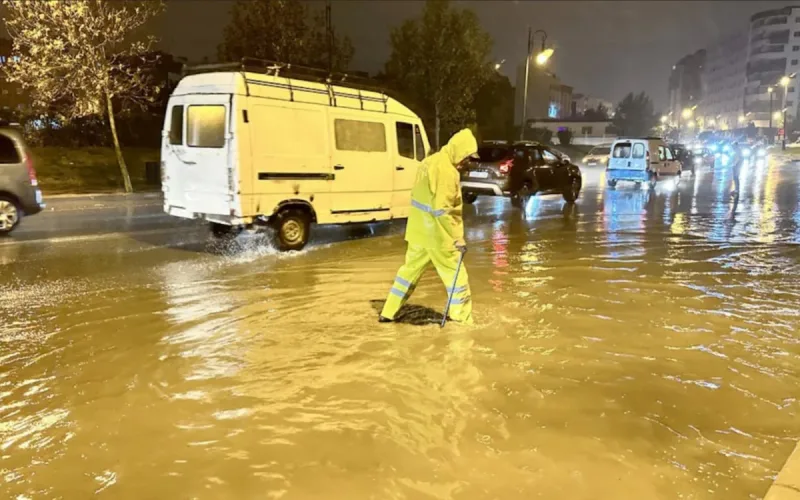
Weeks of torrential rainfall, exacerbated by necessary water releases from saturated dams, have caused a major crisis in the northern plains. According to the official report, the rising waters have displaced 188,000 people and submerged 110,000 hectares of crops. The situation remains critical around the town of Ksar El Kebir, whose access remains prohibited after the overflow of the Loukkos wadi that flooded several neighborhoods.
Faced with the extent of the damage, the Prime Minister’s office has classified the affected municipalities as disaster areas. A priority envelope of 1.7 billion dirhams will be devoted to the rehabilitation of basic infrastructure, particularly road and hydro-agricultural networks. The rest of the budget will finance the rehousing, reconstruction of destroyed homes, and direct aid to small businesses and farmers, supported on the ground by the deployment of the army.
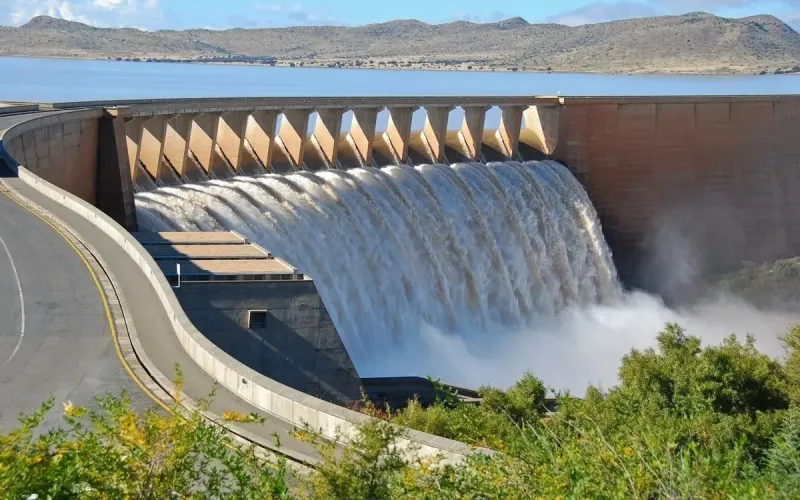
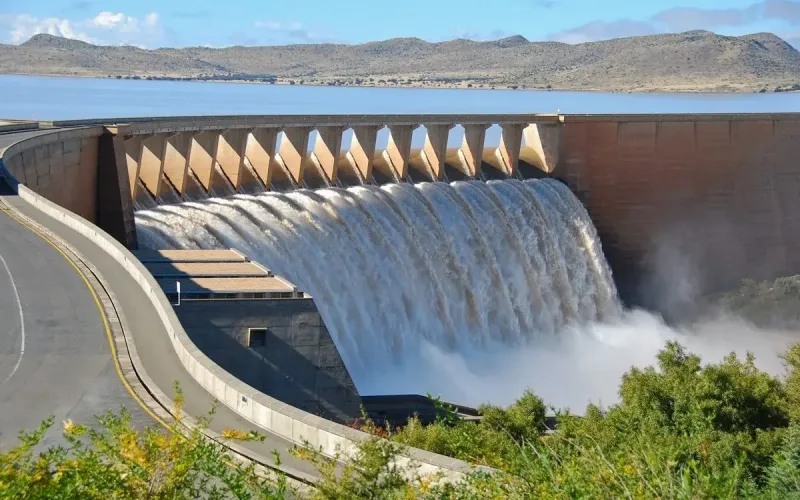
The Minister of Water, Nizar Baraka, emphasized the unprecedented nature of this climatic episode, with rainfall 35% higher than the average recorded since the 1990s. The Oued Makhazine dam, having reached "160% of its capacity" due to exceptional inflows and record snowmelt in the Atlas Mountains, had to proceed with gradual load shedding to avoid a breach, contributing to the downstream flooding.
However, these storms mark the abrupt end of a seven-year drought that threatened the Kingdom’s economy. The national dam fill rate has jumped to nearly 70%, compared to only 27% at the same period last year. While the human and material cost is heavy, these water inflows are reconstituting the strategic reserves of a country that had to accelerate its investments in desalination to make up for the lack of water.