From seasonal workers in Spain to future business owners in Morocco
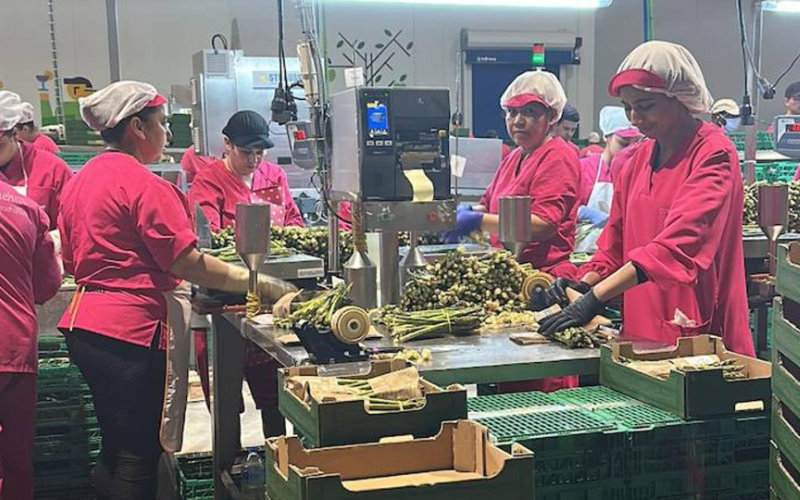
In the province of Huelva, the WAFIRA II program is supporting 225 Moroccan seasonal workers to transform their work stay into an entrepreneurial project. The objective is to promote local economic development upon their final return to Morocco.
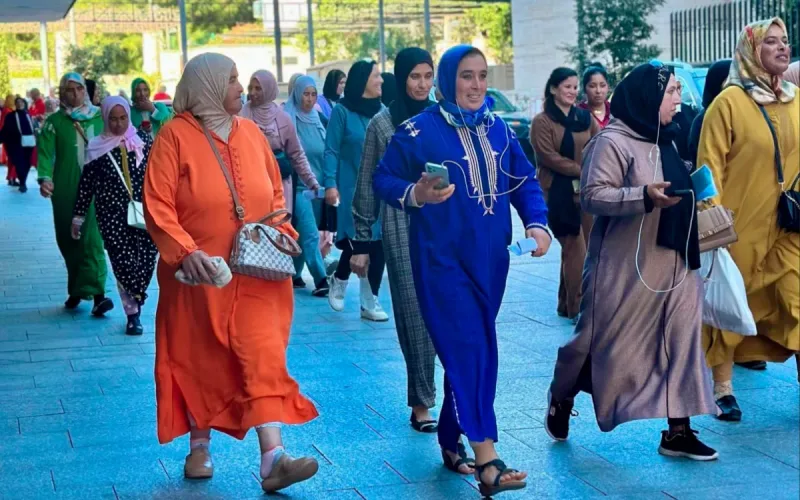
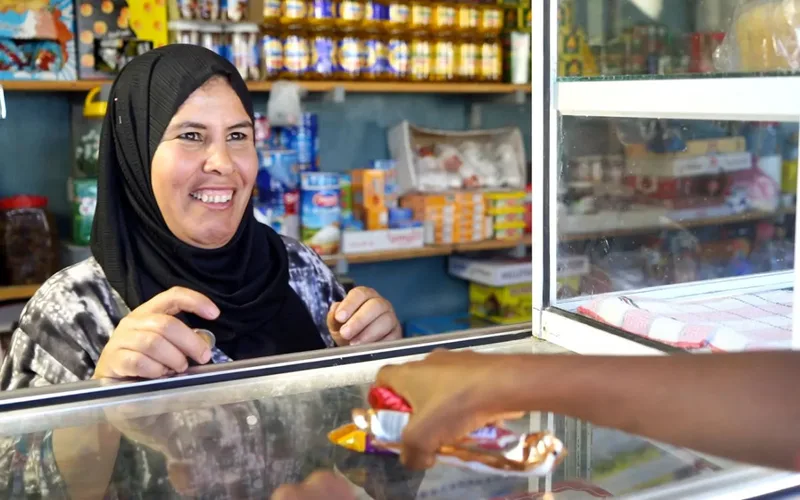
The international WAFIRA II project now links circular migration and economic development. Currently, 225 seasonal workers in the red fruit sector in Huelva are developing viable business plans that they will implement back home. Whether it’s opening a bakery, creating a jewelry brand, or developing a dairy farm, these women are aiming for financial independence. "I’m going to set up a clothing store," confides one of the participants to the EFE agency.
On Bladi.net: She was a seasonal worker in Spain, she is now a business owner in Morocco
The initiative offers a comprehensive itinerary during the harvest period in Spain. In addition to their salaried activity, the women analyze their skills and learn to technically structure their ideas. Sanae, one of the beneficiaries, admits: "I thought it was easier. Now I realize that I have to analyze every detail for it to work." This approach thus transforms simple desires into concrete and professional market strategies.
The program also strengthens the self-confidence and decision-making autonomy of the participants. The component dedicated to gender equality is crucial to facilitate access to credit and property in rural Moroccan areas, often complex for women. Mina, another seasonal worker, summarizes this need for preparation: "I can do it, but I have to prepare, and I find this help at WAFIRA."
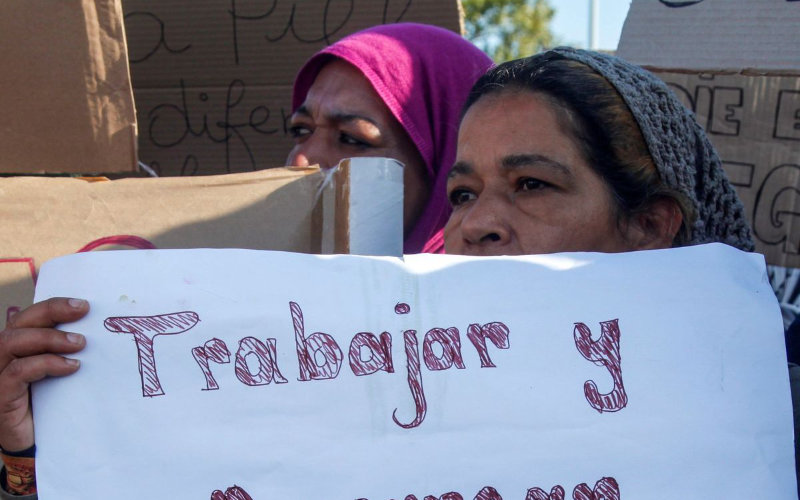
On Bladi.net: Accident in Huelva: the precariousness of Moroccan seasonal workers denounced
Led by the Spanish Ministry of Inclusion, the project is funded by the European Union. Its implementation relies on close cooperation between the International Labor Organization (ILO), the International Center for Migration Policy Development (ICMPD), and the Moroccan authorities through ANAPEC. This model of orderly migration aspires to become a benchmark for sustainable development on both sides of the Mediterranean.