From "dinosaurs" to technocrats: Morocco's new strategy in France
Following the diplomatic warming between France and Morocco, Rabat is currently reorganizing its relays in the Hexagon. Faced with the decline of historical figures, the kingdom is now relying on new technocratic, academic and local political profiles to defend its interests.
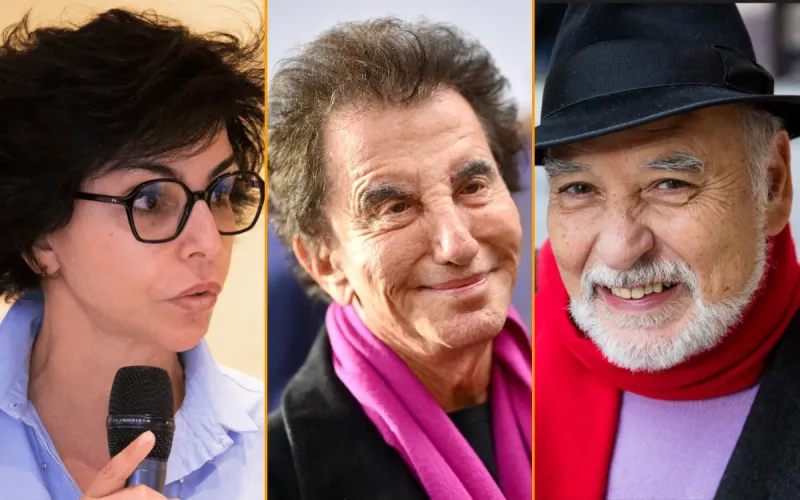
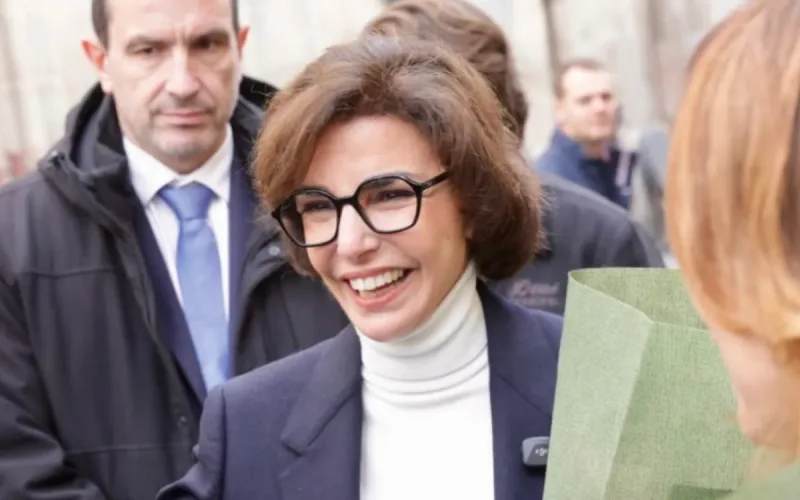
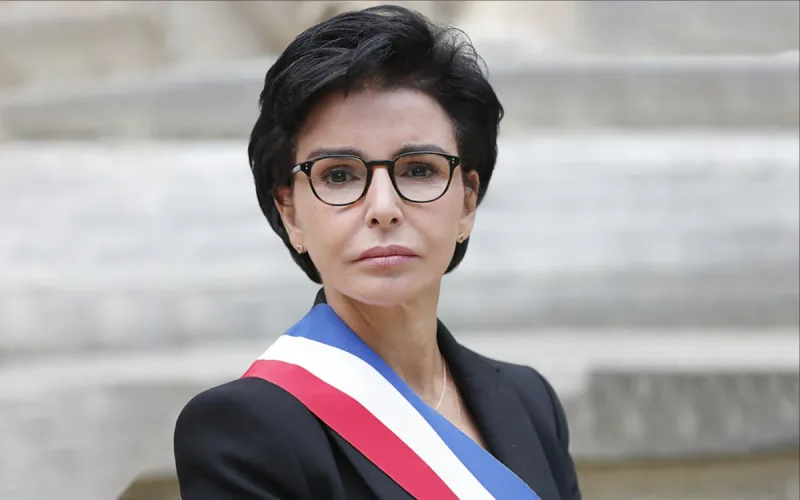
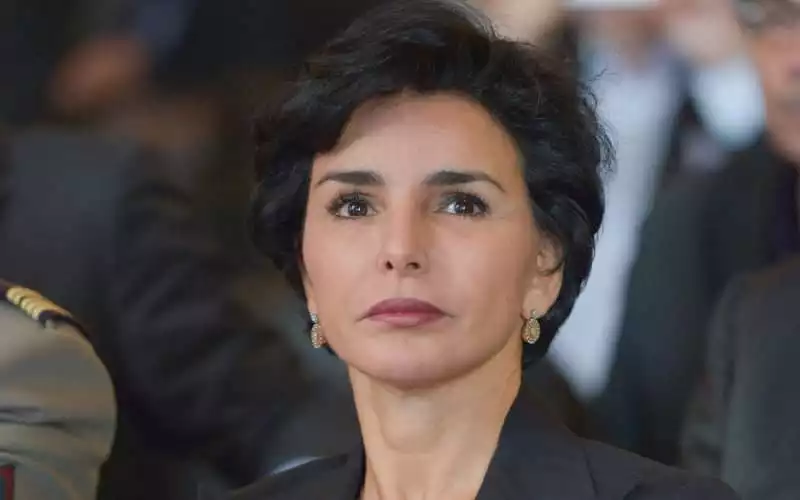
Emmanuel Macron’s support for Morocco’s sovereignty over Western Sahara has highlighted the role of Rabat’s traditional supporters. Experienced personalities such as Rachida Dati, who embodied this presidential message, Tahar Ben Jelloun or Mehdi Qotbi, have ardently campaigned to end the bilateral crisis between the two nations.
On Bladi.net: A new golden landing spot for Rachida Dati?
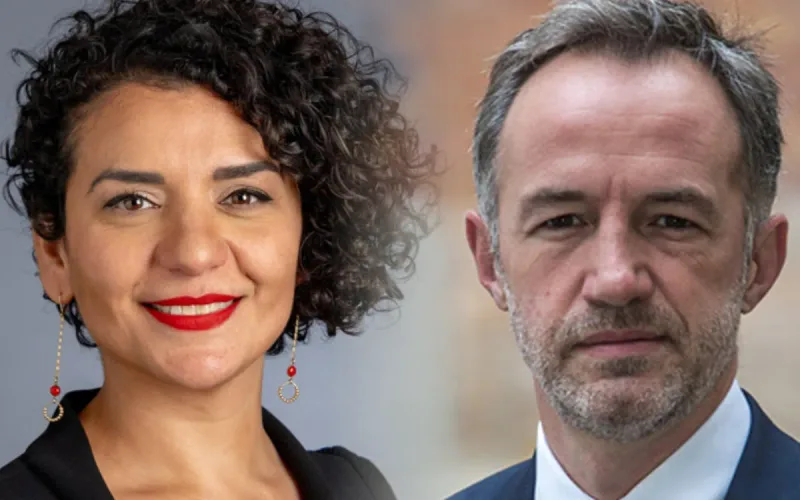
However, the resignation of Jack Lang from the presidency of the Arab World Institute marks a turning point. His replacement by Anne-Claire Legendre puts an end to an era of royal privileges granted to these historical supporters. As a Moroccan official analyzes, this normalization implies a change in method: "The networks are now intended to rely on technocrats."
The redeployment is clearly visible in the economic and political sectors. The newspaper Le Monde points out that the former intermediaries are giving way to business leaders, like the massive partnership concluded between Engie and the Cherifian Office of Phosphates (OCP). At the same time, Moroccan diplomacy is closely monitoring the anchoring of dual-national elected officials from the recent French municipal elections.
The Moroccan strategy also massively targets the intellectual sphere. Thanks to the funding of entities like the OCP, French researchers are being recruited or called upon by recognized foundations to write analyses validating Rabat’s positions. An expert decodes this editorial offensive as an "official Moroccan discourse under the guise of scientism."
On Bladi.net: Rachida Dati: a controversy takes on a national dimension as the election approaches
Despite the emergence of these new channels, the succession is struggling to take shape publicly, particularly in the cultural field where writers are discreetly preparing a future treaty of friendship. The veterans of the Franco-Moroccan network thus retain a capacity for direct action, illustrated by Rachida Dati’s recent interventions with the press to challenge publications on the monarch.