France Weighs 14% Tax on Money Transfers to Morocco
Sending €1,000 to family in Morocco could cost €140 more. Fifteen French senators have tabled an amendment to the 2027 budget that would impose a 14% tax on money transfers to countries outside the European Union.
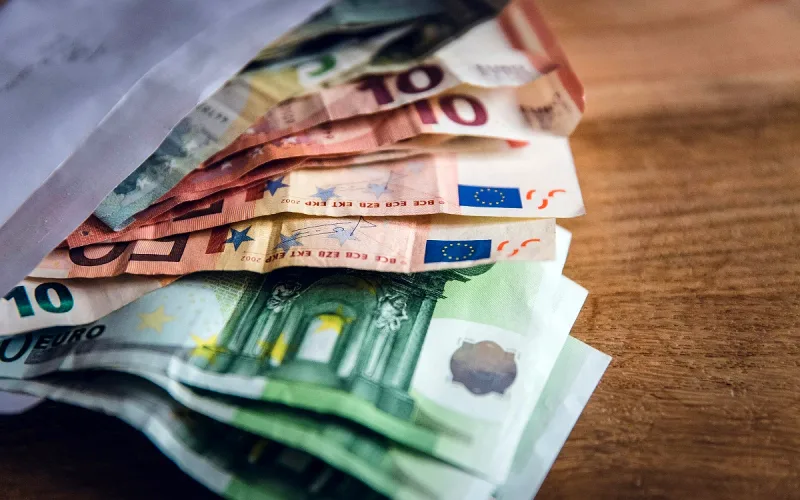
The proposal, introduced on November 20 by Senator Manon Bouquin and fourteen colleagues, targets personal transfers from France, whether made by bank transfer or through operators such as Western Union, MoneyGram and Ria.
On Bladi.net : France Morocco Remittances 2025 Record 3.3 Billion Euros
The levy would be calculated on the amount transferred. Sending €500 to Morocco would incur a €70 tax, in addition to the usual fees. The institution handling the transfer would collect the amount directly from the sender.
The authors of amendment I-864 explicitly cite Morocco to justify their proposal. According to Eurostat data they cite, households in France sent €3.4 billion to the Kingdom in 2024. This is Europe’s largest corridor for personal transfers, as Bladi has already detailed using European statistics.
A tax tied to migration cooperation
The senators propose exempting countries that cooperate with France in identifying and readmitting their nationals who are in the country illegally. The finance, interior and foreign ministries would draw up a list each year.
Business, commercial and humanitarian payments would also be exempt. The measure includes a clause covering transfers split into smaller amounts or routed through a European country before ultimately reaching a recipient outside the European Union.
The signatories want the tax to take effect on January 1, 2027. They describe the levy as a new source of tax revenue and a means of pressuring countries deemed insufficiently cooperative on readmission.
The Senate Finance Committee issued an unfavorable opinion. The proposal has yet to be debated in plenary session. A similar proposal was rejected by the National Assembly on November 2, by 54 votes to 37, with four abstentions. The 14% tax therefore remains at the parliamentary proposal stage.