France tightens visa requirements, Moroccans penalized
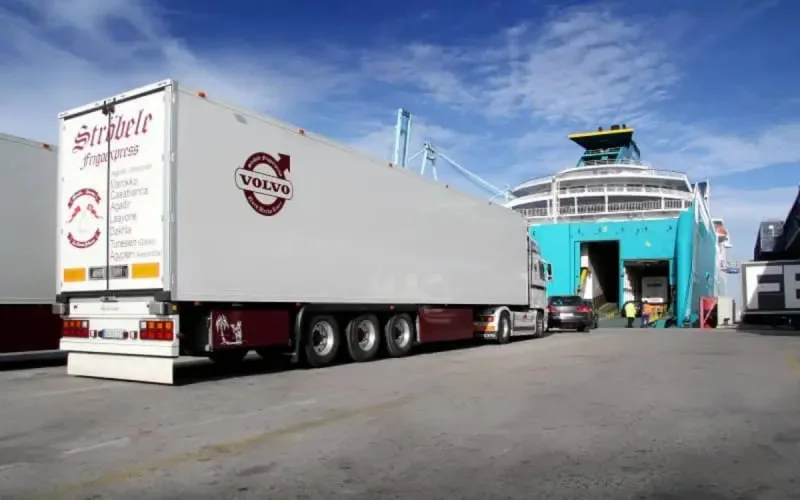
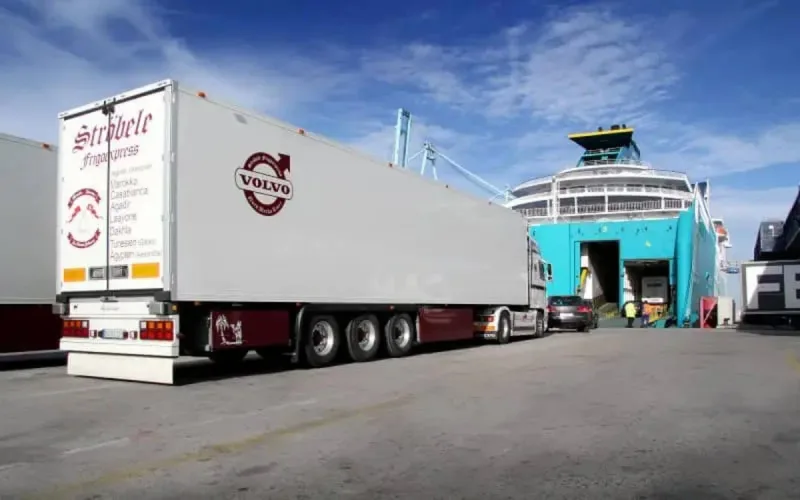
The persistent tension between Moroccan road hauliers and French consular services has prompted a reaction from the French embassy. Accused of the multiplication of visa refusals, the diplomatic representation defends a strict application of the community code, while ensuring that it wants to preserve the logistical fluidity between the two countries.
France’s response is intended to be technical in the face of economic anger. When contacted by Hespress, the embassy explains that the observed blockages are not the result of a targeted restriction policy against Moroccan nationals or road professionals.
According to the consular services, the perceived tightening stems from a rigorous application of the Schengen visa code. The argument is administrative: the compliance of the files and the quality of the supporting documents are subject to increased vigilance, imposed by the common European regulations.
This clarification comes as the situation on the ground is described as critical by professionals. Since October, international transport companies have reported a high rejection rate, including for files they consider complete.
For these companies, the impact goes beyond the simple administrative procedure. The lack of visas for drivers is causing disruptions in the logistics chain: freight cancellations, delivery delays and financial penalties. Beyond the direct losses, carriers fear a lasting deterioration of their reliability with European clients.
Aware of the strategic importance of road transport for bilateral trade, the embassy has initiated a series of meetings with parliamentarians and industry representatives. The objective is to reconcile the security imperatives with the labor needs of a sector under strain.
In its communication, French diplomacy is trying to reassure. It states that its services are working to "facilitate legal mobility", in line with the strengthened exceptional partnership sealed between Rabat and Paris in October 2024. Maintaining logistics flows remains a stated priority, despite the tight filter of Schengen controls.