AFCON 2026 Final: Morocco Appeals CAF Sanctions After Senegal Exit
The Royal Moroccan Football Federation has announced its decision to appeal the sanctions imposed by CAF following the AFCON 2026 final. It considers these measures insufficient given the seriousness of the incidents and Senegal’s withdrawal from the match.
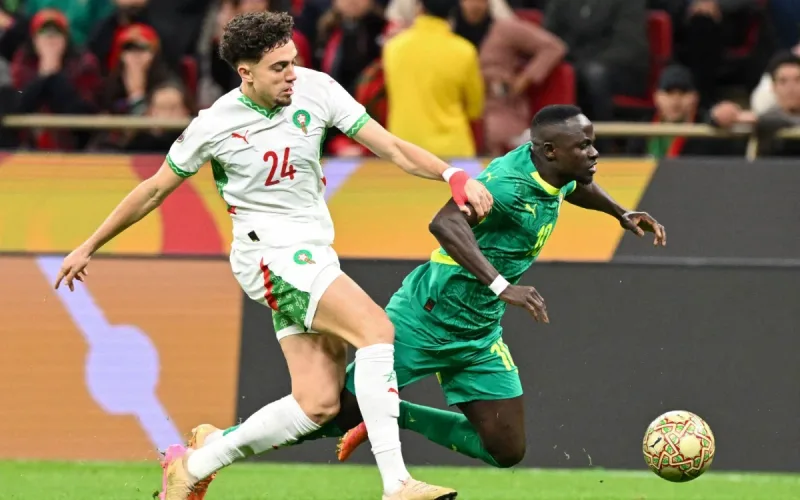
The Royal Moroccan Football Federation (FRMF) refuses to close the file on the incidents that occurred during the Africa Cup of Nations final, played on January 18. In an official statement issued on Tuesday, the organization announced that it had appealed the decisions of the disciplinary committee of the Confederation of African Football (CAF), deeming the sanctions imposed “not in keeping” with the scale of the violence observed.
Read also: AFCON 2025: CAF’s hammer has fallen, and Morocco has not been spared
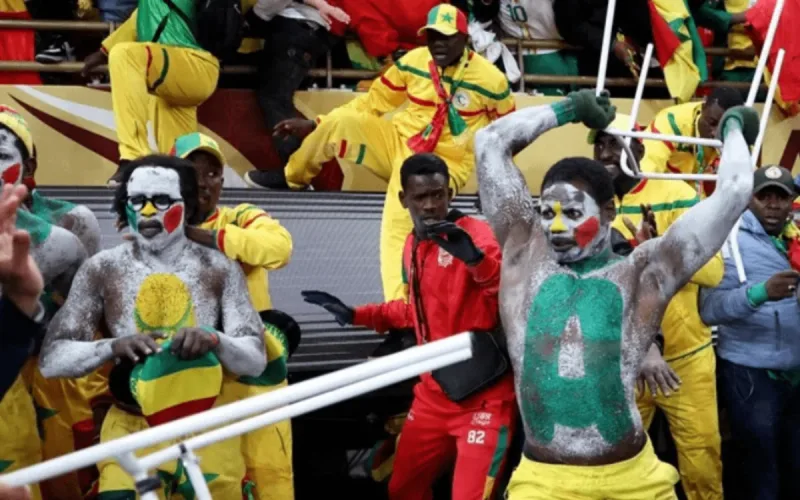
Rabat strongly disputes the interpretation given by the pan-African body regarding the course of the match. The FRMF specifically points to the seriousness of the Senegalese players and staff leaving the playing area, as well as the invasion of the pitch by opposing supporters—events that triggered “violent clashes.”
Read also: AFCON 2026: Why Morocco failed to secure victory by forfeit
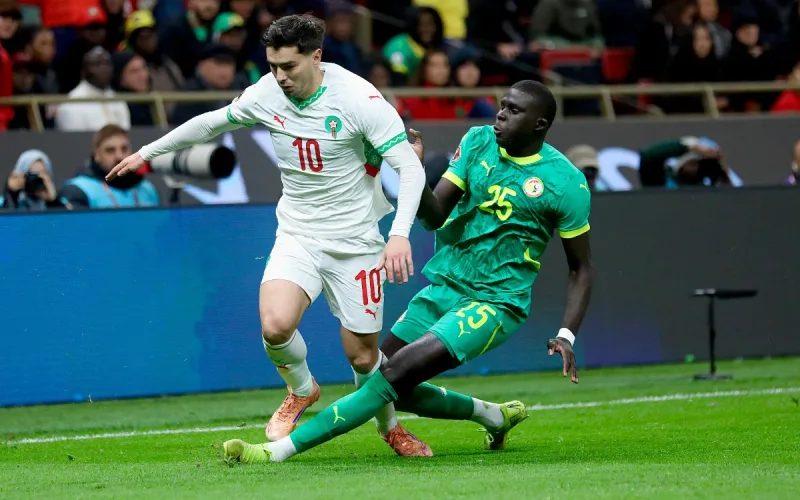
Last Thursday, CAF had nevertheless attempted to settle the matter by handing out record fines and suspensions. Morocco was not spared, receiving a 315,000 dollar fine for logistical shortcomings, while its players Achraf Hakimi and Ismaël Saibari were suspended. However, the disciplinary committee rejected Morocco’s complaint characterizing Senegal’s conduct as an “abandonment,” thereby ruling out the most severe regulatory sanctions.
It is this refusal to legally classify Senegal’s withdrawal that prompted Morocco’s counterattack. Believing that the initial verdict downplays the facts, the FRMF president intends to use this appeal procedure to “preserve all the country’s rights” as the host nation in response to what he considers an attack on the integrity of the competition.