
Facing the Algerian Sukhois, Morocco aims for the American F-35, the "jewel" of aviation
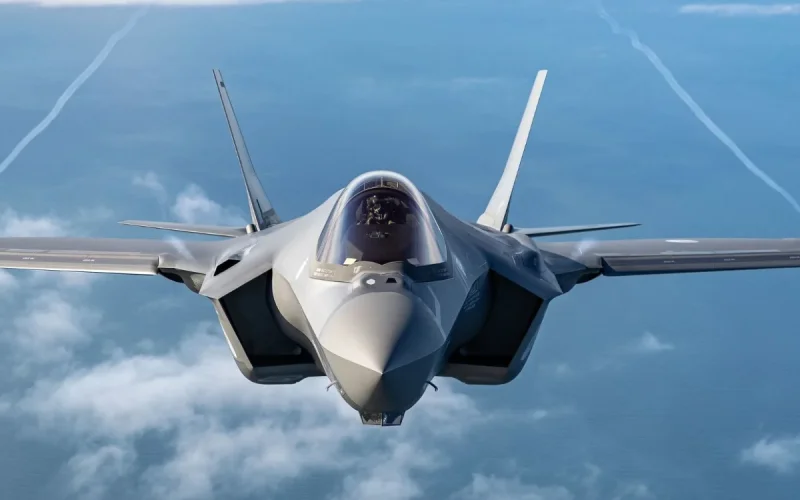
Morocco continues to strengthen its strategic ties with the United States in a context of regional tensions and the arms race in the Maghreb. Discussions are intensifying between Rabat and Washington regarding a possible acquisition of 32 F-35 fighter jets, a purchase that would mark a major step in the modernization of the Kingdom’s air defense.
The agreement, estimated at around $17 billion, would make Morocco the first Arab and African state to possess this cutting-edge aircraft, designed to evade radar detection. Rabat’s interest in the F-35 aims to respond to the influence of Algeria, which has strengthened its fleet with Russian Sukhoi fighters, according to El Dia. While the F-35 offers a lower payload capacity than some Russian models, its strategic assets (stealth technology, state-of-the-art sensors) are considered decisive in modern conflicts.
This interest in the F-35 is part of a broader strategy of military reinforcement, supported by a historic increase in the defense budget. The 2026 finance bill provides for a 17.77% increase in financial commitments for the Defense Administration (14.7 billion euros). The actual expenditure for 2026 would reach 5.1 billion euros, or about 3.4% of Moroccan GDP, a figure well above the European average (1.9%).
Spain renounces the F-35, prioritizing the European industry
Morocco is not the only country to have been interested in the American fighter. Spain has also considered its acquisition, before the central government decided in August to set aside this purchase. Madrid has chosen to prioritize investment in the future European fighter (FCAS), scheduled for 2040.
By renouncing the F-35, Spain seems to be turning to the Turkish fifth-generation fighter, the Kaan, although the latter is considered a technically inferior option. The "fever" for the F-35 also affects Saudi Arabia, which could acquire 48 of them to modernize its own fleet in a volatile regional context.
Related Articles
-

Sanctioning Morocco could cost Spain dearly
20 September 2026
-

Morocco changes its clocks and puts Microsoft, IBM and Broadcom to work
20 September 2026
-
Fnac Darty entrusts Morocco with part of its marketplaces’ customer service
20 September 2026
-

In Morocco, farmers will henceforth be monitored down to their water pumping
20 September 2026
-

Morocco abandons GMT+1 after eight years: what will change from tonight
20 September 2026