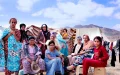
Why Do So Few Moroccan Women Work?
9 August 2026
In Morocco, only 17.5% of women participate in the labor market, compared with around 51% worldwide. The World Bank points to very concrete obstacles: childcare, (…)

9 August 2026
In Morocco, only 17.5% of women participate in the labor market, compared with around 51% worldwide. The World Bank points to very concrete obstacles: childcare, (…)

7 August 2026
The average net monthly salary in Morocco’s public sector reached 10,600 dirhams in 2025. But more than 38% of civil servants earn 8,000 dirhams or less.

6 August 2026
The special procedure allowing certain undocumented immigrants working in a shortage occupation to obtain a residence permit does not directly apply to Moroccans. Their (…)
5 August 2026
Morocco’s ageing population will increase the need for home assistance and long-term care. According to the CESE, foreign workers could complement national skills, provided (…)

4 August 2026
In Moroccan families receiving money from abroad, remittances per working-age adult reach an amount comparable to the SMIG. The support has become significant enough to (…)

4 August 2026
In Morocco, 55.4% of declared businesses say they face competition from informal activities. These structures are often tiny, but able to offer lower prices by avoiding some (…)

4 August 2026
The strict unemployment rate fell to 9.5 % in Morocco. However, this improvement does not tell the whole story: a new indicator that includes the unemployed, underemployed (…)

3 August 2026
Depression could cost the Moroccan economy more than 21 billion dollars by 2050, mainly by reducing labor market participation and the productivity of affected individuals.

2 August 2026
The Moroccan state’s salary expenditure rose sharply in the first half of 2026, now approaching 100 billion dirhams.

1 August 2026
Crossing into Ceuta does not entitle anyone to a monthly income, unemployment benefit, or housing. Emergency assistance may be granted to vulnerable people, but it depends on (…)