Morocco
Morocco's Economy Set to Shrink 6.2% in 2020, Worse Than Previous Forecasts
While the Moroccan Center for Economic Conjuncture (CMC) was forecasting a contraction in national growth of −3.2% in 2020, it should stand at −6.2%.

While the Moroccan Center for Economic Conjuncture (CMC) was forecasting a contraction in national growth of −3.2% in 2020, it should stand at −6.2%.
5.4% in 2021 against -5% in 2020, this is the economic growth rate that Moroccan Prime Minister Eddine El Othmani sets for his government. This involves austere and rational management of public spending across all state sectors, a relentless fight against corruption, all against a backdrop of integrity.
Economic recovery and the imperative to build a "social state" are imposing themselves on the kingdom, severely shaken by the health crisis due to the Covid-19 pandemic, like several other countries in the world. To meet these challenges that require significant resources, economist Yasser Tamsamani has identified new financing channels.
The American agency Fitch Ratings has just lowered Morocco’s rating, which was stable in April, to negative. According to the rating agency, several reasons would explain this downgrading of the kingdom, including the "severe impact of the pandemic on the economy and public and external finances".
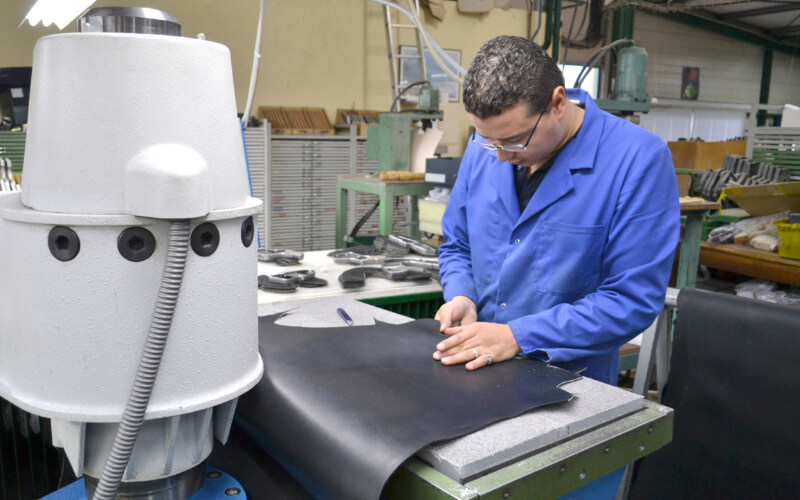
Morocco finds itself in a severe and historic recession since 1995 due to the health crisis related to covid-19. This is indicated in a World Bank monitoring report on the economic situation of the kingdom.
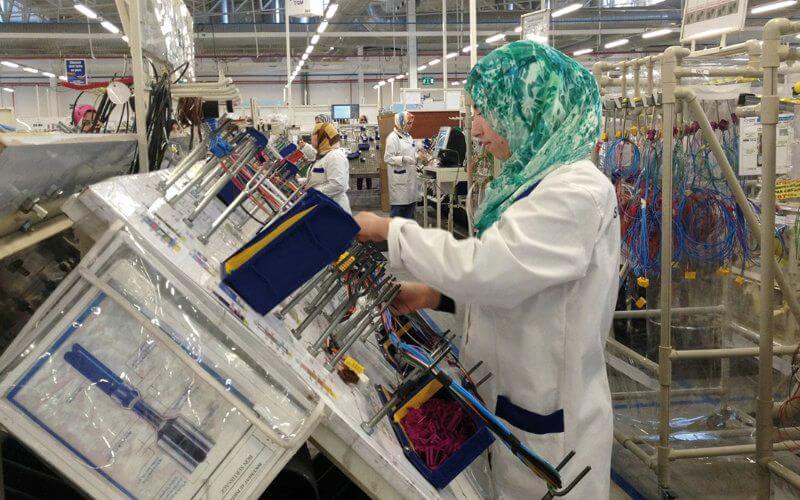
The Minister of Economy, Finance and Administration Reform, Mohamed Benchaâboun, said on Friday that the State will double the annual budget positions in 2021 to facilitate job creation for young people.
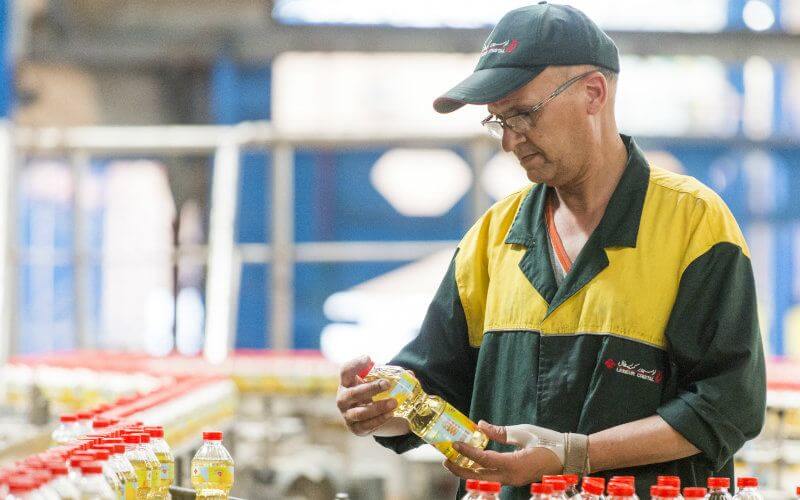
The economic recovery would involve accelerating the budget deficit. This is at least what Bank Al-Maghrib (BAM) seems to be proposing through the implementation of measures deemed beneficial.
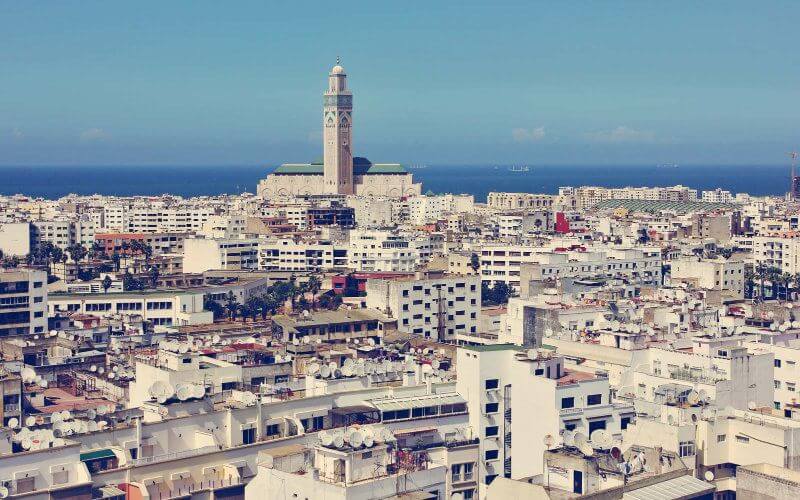
The Ministry of Finance has published on its website the presentation note of the draft supplementary finance law (PLFR) for the year 2020, which states that "the growth rate is -5%, while the initial finance law had planned 3.7%. According to the note, the projected budget deficit is set at 7.5% of GDP instead of 3.5%".
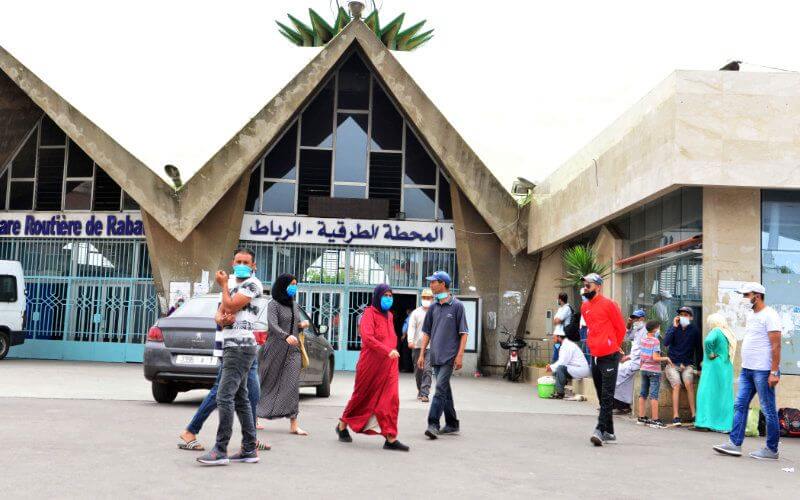
The effects of the COVID-19 health crisis on domestic demand have negatively impacted growth in the second quarter of 2020. In fact, the national economy, during the period, fell by 13.8% compared to +0.1% in the first quarter.
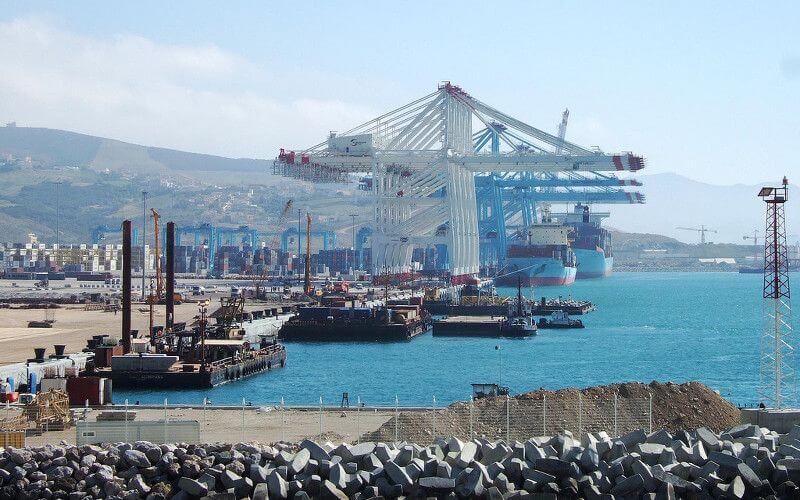
The growth rate of the Moroccan economy has slowed down in 2019. It stood at 2.5% in 2019, compared to 3.1% in 2018, according to the High Commission for Planning (HCP).
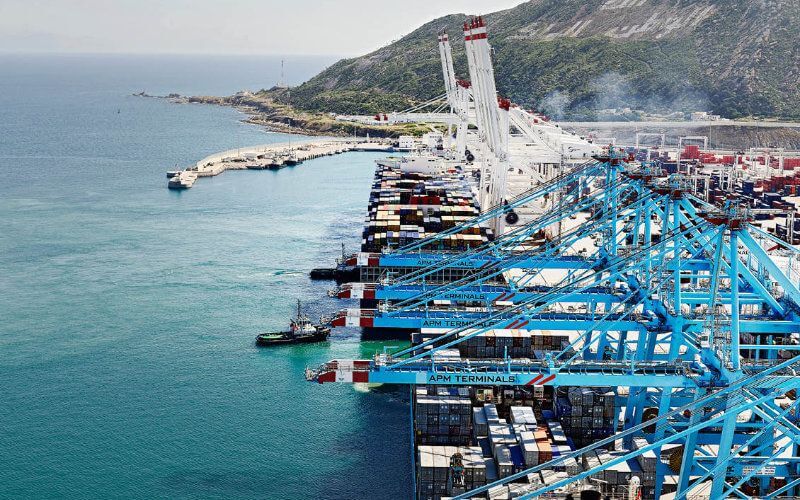
Morocco tops the ranking of the most integrated African countries in the macroeconomic field, according to the 2019 edition of the Africa Regional Integration Index. It was published by the United Nations Economic Commission for Africa (ECA-UN), the African Development Bank (AfDB) and the African Union Commission (AUC).

Moroccan economist and academic Najib Akesbi stated that despite the negative consequences, the coronavirus pandemic offers an opportunity for policymakers to make some bold and essential reforms. This was during a videoconference organized by the Association for Development and Citizenship of Marrakech.