easyJet’s Marrakech expansion faces uncertainty as demand for Morocco weakens
easyJet must decide in the coming weeks which capacity it will retain in its schedule. Fuel costs and late bookings are weighing on those decisions, as Morocco is among the destinations where demand has been hit by the conflict in the Middle East.
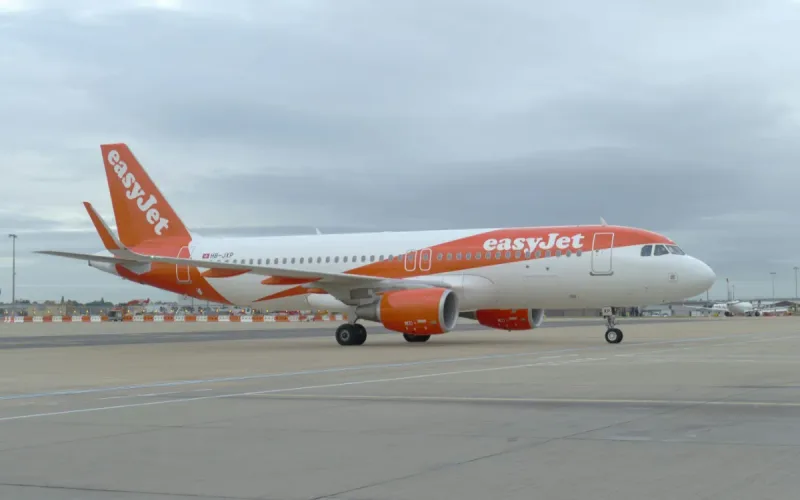
Garry Wilson, CEO of easyJet holidays, announced these decisions on Saturday, October 3, at the Barrhead Travel conference in Italy. According to TTG, decisions expected in the next six to eight weeks will determine which capacity will actually be operated.
On Bladi.net : EasyJet creates 100 jobs in Marrakech… but brings its crews from France
The executive highlights fuel, whose cost is complicating the planning of schedules. He also wants to secure bookings earlier to fill planes more effectively. At the tour operator, around 20% of recent sales are for departures within 30 days, across all destinations.
Morocco is mentioned alongside Egypt, Cyprus and Turkey as one of the destinations affected by the conflict. However, the decisions announced concern the overall schedule: no changes to routes to Morocco have been announced at this stage.
A recently opened base in Marrakech
These decisions come a few months after a major expansion in Morocco. On April 15, easyJet opened its first African base in Marrakech, with three aircraft based there and around 100 direct jobs announced.
The airline was targeting four million seats in its first year of operations. This permanent presence was intended to allow it to operate more flights year-round and expand its European routes. It already had 30 routes to or from Marrakech.
The investment gives the Moroccan market particular importance in its network. The group also sells package holidays combining flights and accommodation there through easyJet holidays, the division headed by Garry Wilson.
On Bladi.net : Morocco Is Close to Overtaking Vietnam Among British Tourists
For 2027, he expects tour operators to offer more capacity to North Africa. He therefore anticipates a redistribution of supply among destinations, with scheduling decisions depending in particular on fuel costs and the pace of bookings.