DXN begins work on Morocco plant weeks after preliminary agreement expires
In Meknès, Malaysian group DXN is launching its first North African dietary supplement plant. The project involves an investment of 161 million dirhams and around 250 jobs. Yet just three weeks earlier, its agreement with the Moroccan government had expired.
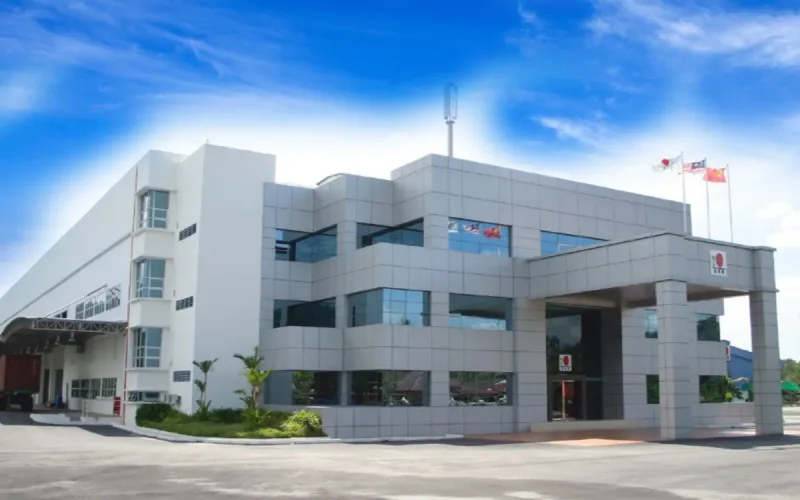
On 2 October, DXN announced on the Malaysian stock exchange that its memorandum of understanding with the Moroccan authorities had officially expired. Signed in May 2024, the document set out the framework for discussions on a new plant. The definitive investment agreement, intended in particular to set the grants and incentives for the project, was still under review.
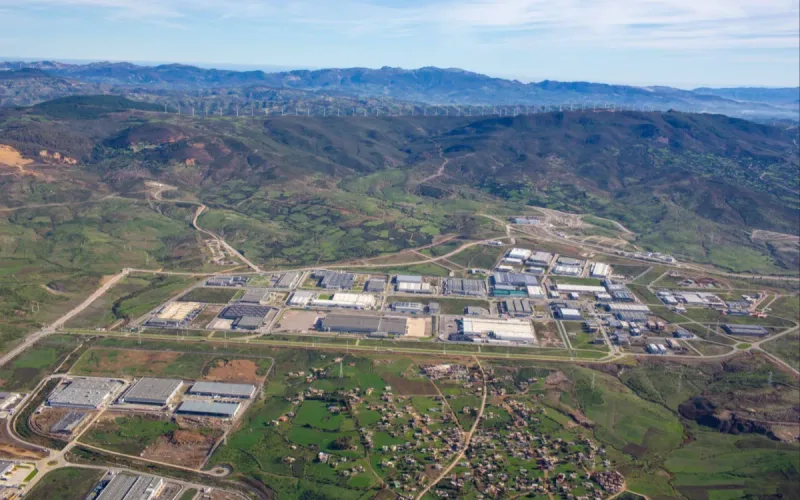
Twenty-one days later, construction began. On 23 October, the group announced that it had obtained a building permit and started work at the Agropolis industrial park in Meknès. Malaysian business daily Business Today confirmed the development on a 80 765 m² site.
The project is being carried out by Dexin Morocco, the group’s local subsidiary. A document filed with the Malaysian stock exchange in August 2024 forecast an investment of 161 million dirhams and the creation of 250 direct jobs by the end of 2028.
A Moroccan plant to supply Europe
The plant will manufacture products based on spirulina and ganoderma, a mushroom used in dietary supplements. Its production is intended to serve North Africa and Europe, with potential markets in the Middle East.
Morocco is already DXN’s largest African market. The manufacturer now wants to produce locally to shorten its supply chains and reduce costs. Globally, it aims to expand its network from 14 to 21 plants.
The expiry of the preliminary memorandum therefore did not halt the project. In its 2 October stock exchange statement, DXN said negotiations were continuing directly on the definitive investment agreement.
Work has since begun at Agropolis. The group and the Moroccan authorities still need to finalize the terms of the grants and financial incentives accompanying the investment.