Dutch Court to Rule on Citizenship Revocation for Moroccan-Dutch Man Who Fought in Syria
Convicted of terrorist crimes after leaving for Syria, a man born in the Netherlands is awaiting a decision on whether his Dutch nationality will be revoked. His case raises a central question: can the measure be reserved for dual nationals without discriminating on the basis of their origins?
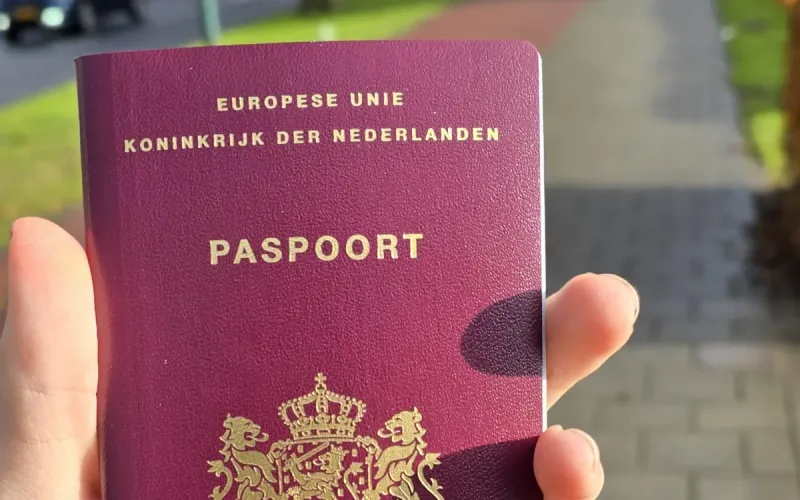
The Dutch Council of State says it will publish its decision this Wednesday, 30 September, at 10:15 a.m. in the Netherlands, or 9:15 a.m. in Morocco. It will examine appeals concerning a revocation issued in 2021 and subsequently overturned by the Amsterdam District Court in March 2025.
The man was born in the Netherlands in 1987. He acquired Moroccan nationality at birth through his parents and obtained Dutch nationality with his family in August 1996. He held both nationalities until the decision to revoke his Dutch citizenship.
On Bladi.net : Stripped of their nationality, expelled, banned for 20 years: two Moroccans overturn the decision
In July 2013, he travelled to Syria via Turkey. The courts established that he fought first with Ahrar al-Sham, then with Jund al-Aqsa. Convicted of participating in a terrorist organization and preparing terrorist crimes, he was sentenced on appeal to five years and four months in prison. The conviction became final on 29 April 2021.
On 29 July of that year, the authorities revoked his Dutch nationality. They also ordered him to return to Morocco and imposed a 20-year entry ban. These deportation measures are the subject of a separate proceeding, for which a decision is also expected this Wednesday.
Judges challenge unequal treatment
On 24 March 2025, the Amsterdam District Court overturned the revocation. Its reasoning goes beyond this man’s case: the law allows nationality to be revoked following certain terrorism convictions, but prohibits rendering a person stateless.
For comparable convictions, a Dutch citizen with a second nationality can therefore lose Dutch nationality, while someone with no other nationality retains it. The court found that this difference rests decisively on national or ethnic origin or descent. It ruled that the distinction violates international and European protections against discrimination.
The judges also identified a weakness in the review of the individual case. The administration did not adequately address documents submitted by the man to support his claim that he had been deradicalized, including reports from probation services. The court did not itself find that he had been deradicalized; it faulted the authorities for failing to genuinely consider this evidence.
On Bladi.net : Stripped of his French nationality, he wants to return to Morocco but remains stuck in detention
The government appealed. The ruling in the man’s favor was suspended on 13 June 2025, leaving the revocation in effect pending the decision. The Council of State refused to alter this interim measure on 4 September.
The man had asked to be provisionally treated as Dutch so he could work and access social benefits. He also cited the situation of his children, who could gain rights through his nationality. This Wednesday, the legal basis for revoking his nationality and its application to his case will come before the country’s highest administrative court.