Cocaine: the Moroccan police at the heart of the dismantling of the "Sombra Negra" network
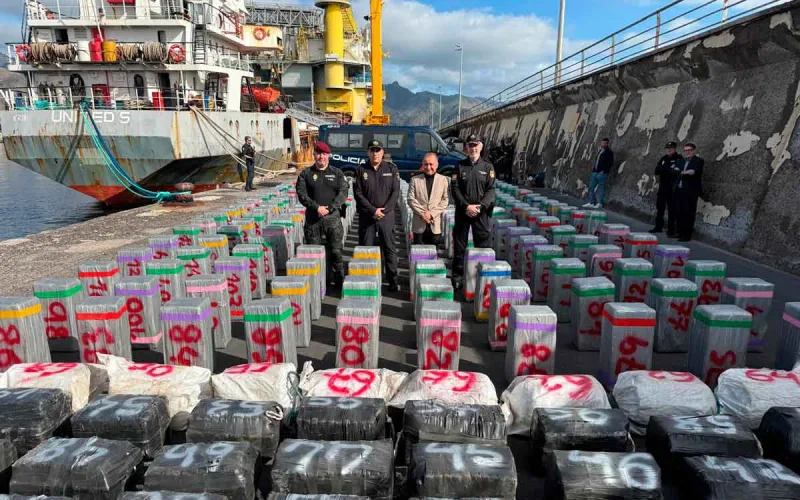
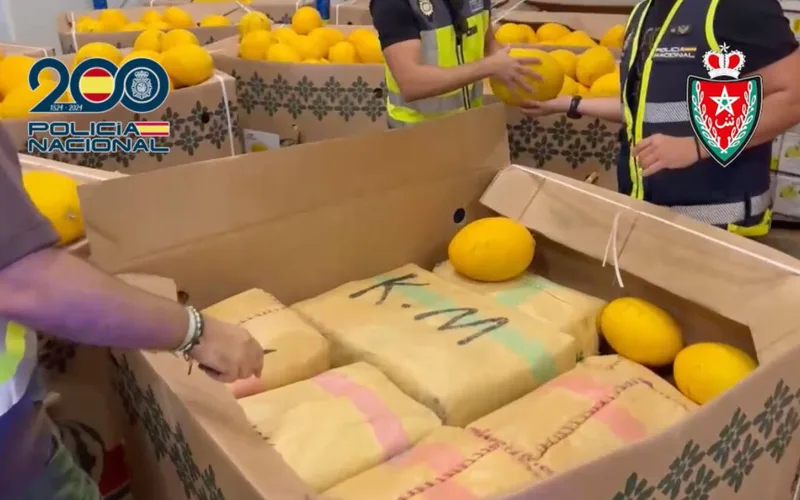
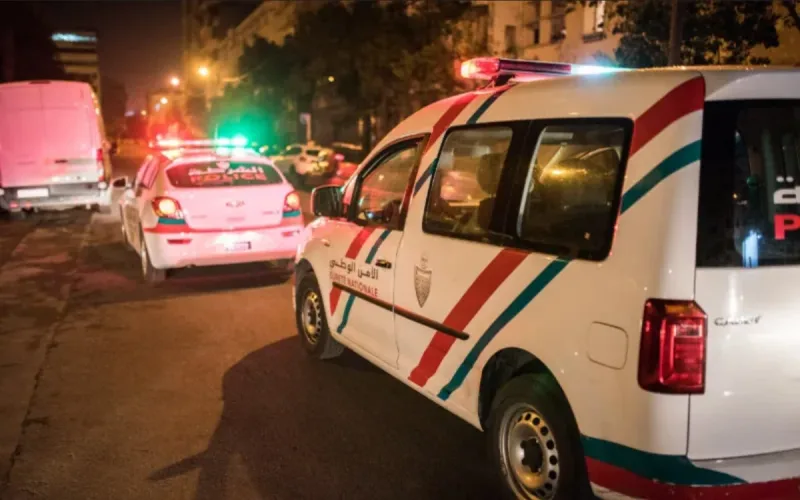
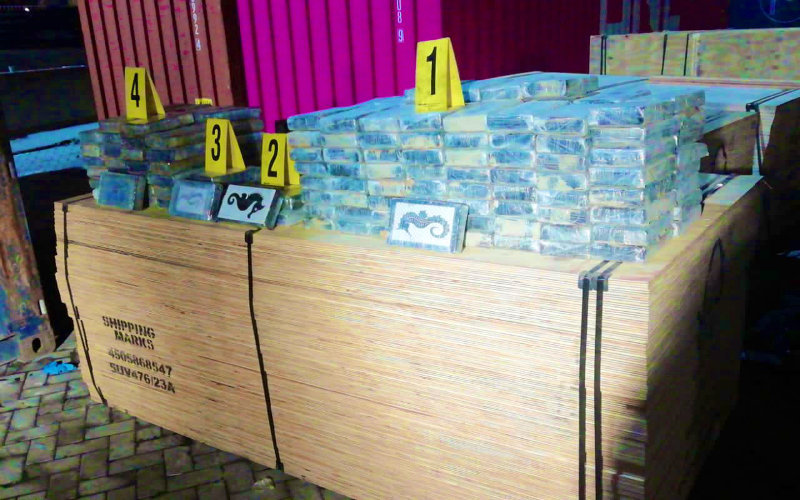
The international operation "Sombra Negra" has resulted in the dismantling of the largest distribution and money laundering center linked to the cocaine trafficking to Europe. This crackdown, involving the General Directorate of National Security (DGSN) of Morocco, resulted in 105 arrests and the seizure of 10 tons of drugs, a commodity that was mainly transported to Morocco before its final distribution.

The authorities of five countries have dealt a major blow to organized crime with the conclusion of the "Sombra Negra" operation. This large-scale investigation, conducted in collaboration with the US Drug Enforcement Administration (DEA), Europol and the General Directorate of National Security (DGSN) of Morocco, targeted a criminal network of unprecedented complexity. The organization, which operated from South America to Europe, would have managed to transport about 57 tons of cocaine over the past year alone.
The operational system of the network was based on sophisticated maritime logistics consisting of 30 boats, including "mother ships" positioned in the high seas. These real floating hotels and service stations allowed the crews to remain operational for several months without approaching the coasts, supplied with fuel and food by "narcolanchas". Once on land, the cocaine was mainly transported to Morocco, Cadiz and the Canary Islands, key points from where the distribution of the drug to the rest of the European continent was organized.
Two phases of tactical deployment
The offensive took place in two stages to sever the ramifications of the organization. The first phase focused on the Canary Islands, resulting in 48 arrests and the seizure of 3.8 tons of drugs as well as many geolocation devices. The second part, carried out last November in the Campo de Gibraltar, targeted the logistics command center in Algeciras and La Línea de la Concepción. This step led to the arrest of 57 additional people and the dismantling of the technological branch, equipped with drones and satellite connection systems.
The modus operandi included the use of "sea hawks", individuals tasked with reporting the position of maritime and air patrols in order to guide the narcolanchas towards unmonitored areas. These techniques, combined with the use of mother ships avoiding major ports, show the permanent adaptation of organized crime highlighted by Europol. According to the European agency, the maritime cocaine trafficking is reaching unprecedented levels, forcing the authorities to intensify their cross-border cooperation to neutralize systems capable of circumventing traditional controls.