On Ceuta and Melilla, the official Moroccan text is far more direct than one might think
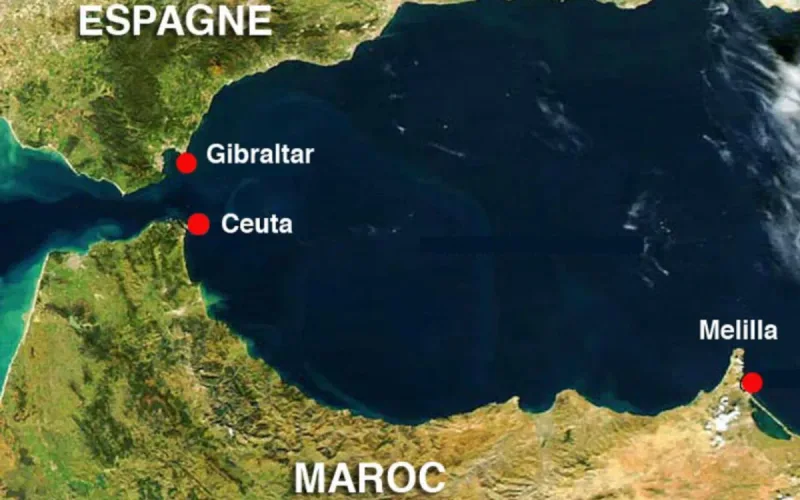
As Ceuta and Melilla once again become the focus of tensions between Rabat and Madrid, an old Moroccan Official Bulletin states the Kingdom’s position without beating around the bush: Moroccan territories, Spanish occupation and the desire to recover them.
The document is not new, but its wording stands in contrast to the caution of current diplomatic language. It is Official Bulletin No. 5714 of 5 March 2009, which publishes the dahir relating to the United Nations Convention on the Law of the Sea.
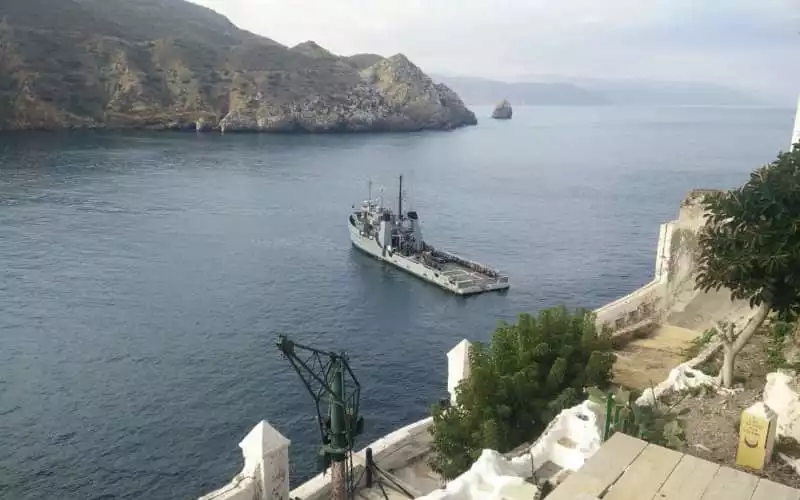
On page 160, the Moroccan government states that “Ceuta, Melilla, the Alhucemas islet, the Rock of Vallez and the Chaffarines Islands are Moroccan territories,” according to the official document.
The text does not stop at this claim. It indicates that Morocco has “never abandoned its foremost concern of recovering these enclaves, under Spanish occupation, in order to achieve its territorial integrity.”
On Bladi.net : The Spanish army chief arrives in Melilla and Ceuta amid crisis with Morocco
This declaration takes on particular significance as Ceuta and Melilla once again become the focus of tensions between Morocco and Spain. After the mass crossings in July, Madrid strengthened its security measures and increased military displays of presence in the two cities.
The Official Bulletin nevertheless provides an important nuance: it does not directly describe Ceuta and Melilla as “occupied territories.” It first presents them as “Moroccan territories,” then collectively refers to them as “enclaves under Spanish occupation.”
Morocco also specifies that ratification of the Convention on the Law of the Sea “cannot in any way be interpreted as recognition of this occupation.” The dahir is dated 23 May 2008 and mentions the deposit of Morocco’s instruments of ratification in New York on 11 June 2007.
Spain’s official response
Spain officially responded to the United Nations on 10 September 2008. Madrid states that Ceuta, Melilla, the Peñón de Alhucemas, the Peñón Vélez de la Gomera and the Chafarinas Islands “form an integral part of the Kingdom of Spain.”
The Spanish response, reproduced in the UN’s official treaty database, asserts “full and complete” sovereignty over these territories as well as their maritime areas. Madrid adds that Moroccan laws relating to maritime areas cannot affect the rights it considers itself entitled to exercise in those zones.
On Bladi.net : Despite the Ceuta crisis, only 3.1% of Spaniards want to break off relations with Morocco
These two declarations therefore do not resolve the territorial dispute, but they officially record completely opposing positions. Spain considers the two cities and the islets to be part of its territory. Morocco states, in black and white, that they are Moroccan territories under Spanish occupation and that it intends to recover them in order to complete its territorial integrity.