Canary Islands Weigh Port Fee Cuts to Compete With Dakhla
In response to the planned Dakhla Atlantique port, the Canary Islands are considering cuts to the fees paid on ships and cargo. Their draft maritime strategy outlines measures to retain major shipping companies and protect transit activity.
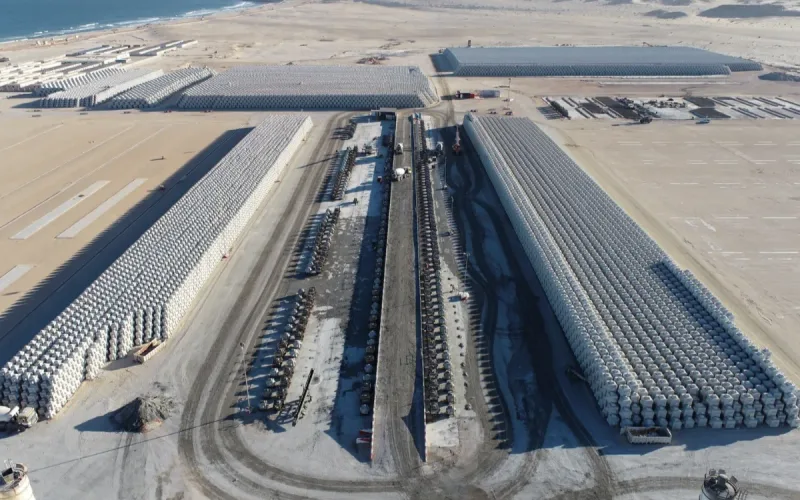
Cutting shipping companies’ costs before the first container ship even arrives in Dakhla. The idea appears in a Canary Islands government document on the competitiveness of the Spanish archipelago’s ports. Officials are anticipating fiercer competition on Atlantic shipping routes.
On Bladi.net : Dakhla Atlantique: the Moroccan port that seriously worries the Canary Islands
In its official draft EMSICAN mobility strategy, the regional government is considering “incentives and rebates” on fees charged to ships and cargo. Major shipping companies and logistics operators handling transit traffic are the targets. The document also proposes lowering transshipment charges, for operations in which containers are moved from one ship to another.
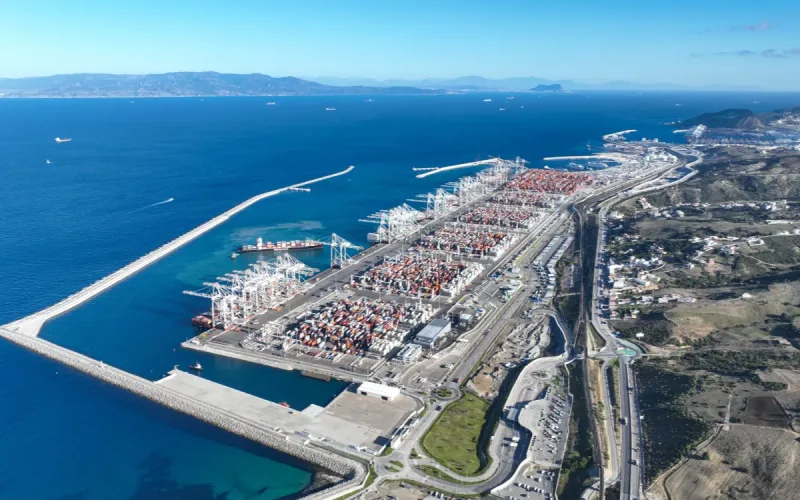
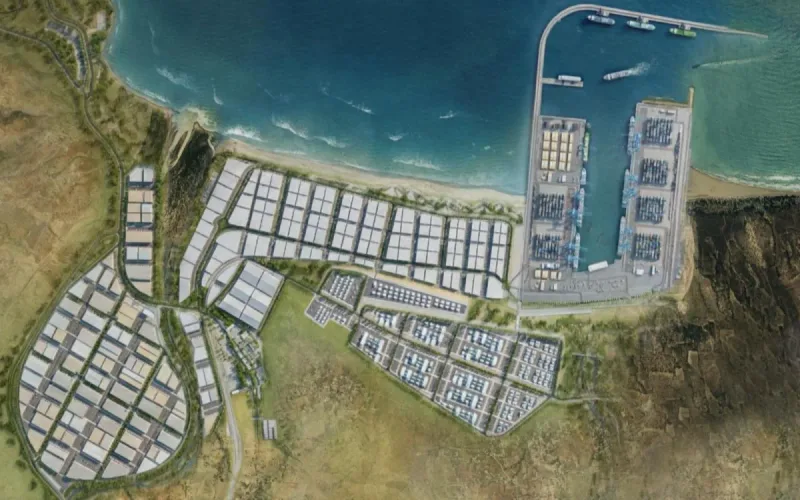
This response is being prepared while Dakhla Atlantique is still under construction. Located less than 500 kilometers from Gran Canaria, the future port could divert port calls and cargo, according to the Spanish assessment.
Fees and new services for ships
The Canary Islands also want to compare the prices, capacity and services of Moroccan ports. Studies will identify routes that could be redirected to these facilities and ways to retain carriers in the archipelago.
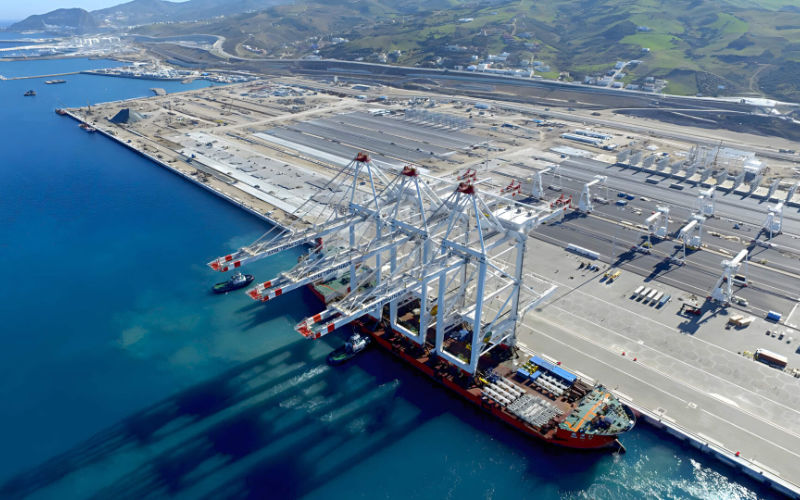
Another priority is accommodating larger container ships. The plan calls for dredging, reinforcing quays and automating terminals. Simplifying customs formalities is also among the options.
Ship refueling is also part of the strategy. Canary Islands ports are considering adapting their facilities for liquefied natural gas, green ammonia and methanol, while improving supply operations.
According to Atlántico Hoy, Dakhla Atlantique is designed to handle up to 35 million tonnes a year, with operations expected to begin in 2029.