Borrowing abroad is becoming increasingly expensive for Morocco
Morocco retains favorable access to international financial markets, but money borrowed abroad now costs the state more. The average cost of its external public debt has reached 3.9%, up 0.7 percentage points.
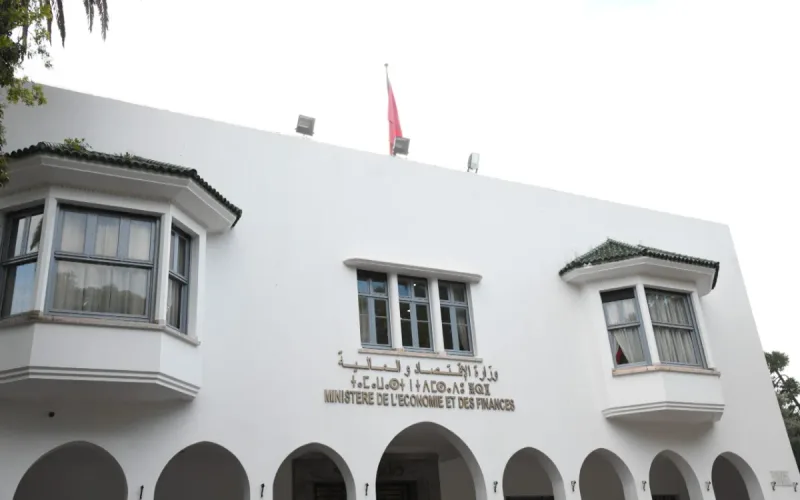
The average cost of Morocco’s external public debt rose by 70 basis points to reach 3.9% in 2024, according to the latest African Economic Outlook from the African Development Bank.
On Bladi.net : Morocco Budget Deficit Nears Zero Without Debt Interest
This 0.7-point increase comes amid tighter international financial conditions. The African Development Bank also highlights the growing fragmentation of global markets.
The paradox is that the burden of external public debt has slightly decreased. It represented 29.3% of GDP in 2024, 0.4 points less than the previous year. Morocco is therefore slightly less indebted abroad in proportion to its economy, but this debt costs it more.
Morocco remains a good borrower
This development does not mean that the kingdom is facing difficulties financing itself. On the contrary, the AfDB emphasizes that it retains favorable access to international markets and has a relatively developed financial system.
The rise in the cost of debt nevertheless has a direct consequence: it gradually increases the interest payments borne by public finances and reduces the margins available for other expenditures.
The AfDB therefore recommends that Morocco diversify its sources of financing further, particularly through public-private partnerships, the development of financial markets and new instruments, especially in green finance.
The institution also cites remittances from Moroccans residing abroad, a larger share of which could, in its view, be directed toward productive investment.
This pressure comes as the budget deficit stood at 3.5% of GDP in 2025. The AfDB expects it to reach 3.7% in 2026 before improving in 2027.
On Bladi.net : Morocco Household Debt Surges 6.9% in 2025 Record Growth
For Morocco, the challenge is therefore no longer merely being able to borrow abroad, but also preventing the financing of its investments from gradually becoming more costly.