Autoroute Guercif-Nador, Port Dakhla Atlantique: the 2026 budget accelerates the construction projects
The Ministry of Equipment and Water has unveiled its investment plan for 2026, a budget that confirms the absolute priority given to securing the water supply of the Kingdom. With a total investment of 58.7 billion dirhams, the government is accelerating the deployment of major construction projects in the face of climate challenges, a plan that has been adopted in plenary session at the House of Representatives.
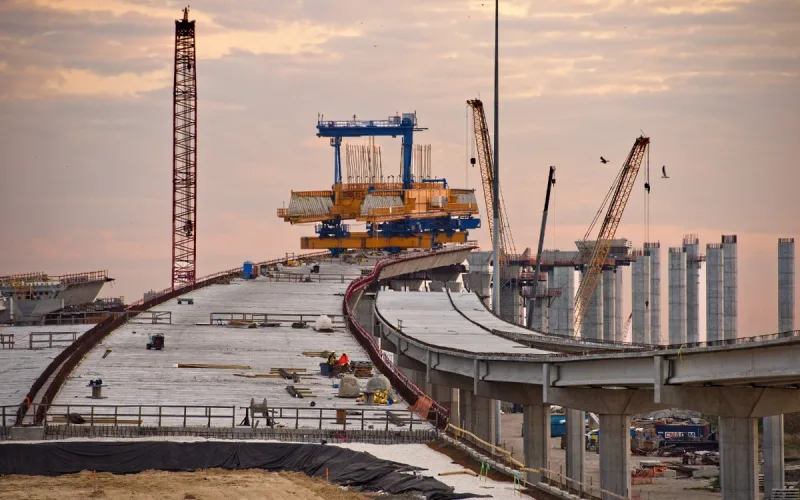
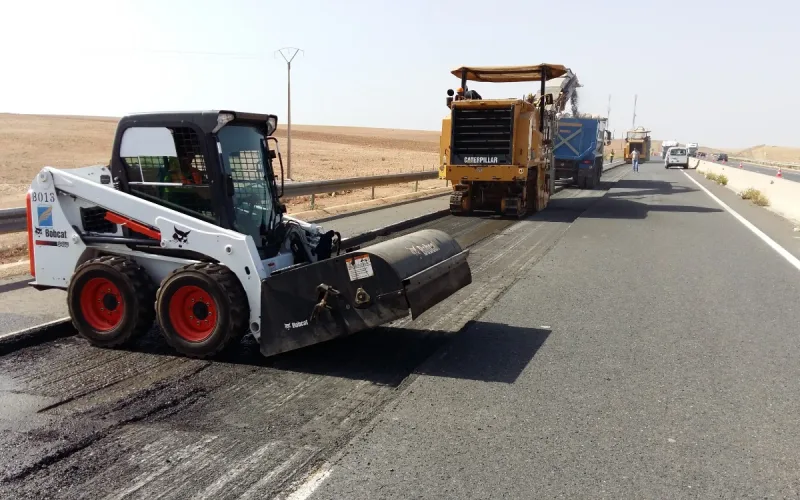
The details of the 2026 budget highlight this strategy. Out of a total envelope of 58.7 billion dirhams (including central credits), the breakdown of payment credits - the actual expenditures for the year - places the "Water" program at the top with 11.079 billion dirhams. The "Roads" program follows with 3.98 billion dirhams in payments, but it has the heaviest future commitments (16.2 billion dirhams in CE), ensuring the continuity of the structuring projects. Port infrastructure completes the podium with 2.89 billion dirhams in payment credits.
The Oriental and Dakhla, major beneficiaries of the structuring projects
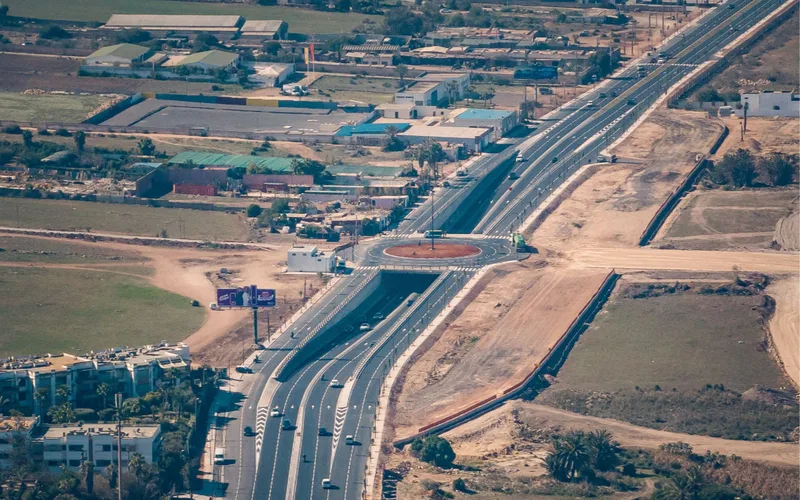
The analysis of the regional distribution confirms this focus on major projects. The Oriental region receives the highest allocation, with more than 11 billion dirhams in investments. This effort is driven by the road program (nearly 6.8 billion dirhams in commitments) for the Guercif-Nador highway, and by the hydraulic projects (1.4 billion dirhams in payments) including the raising of the Mohammed V dam.
The Tanger-Tétouan-Al Hoceïma region ranks second with 9.34 billion dirhams, a budget dominated by future commitments for the construction of several dams (7.2 billion dirhams in CE). Just behind, the Dakhla-Oued Eddahab region captures 8.75 billion dirhams, an envelope almost entirely dedicated to the continuation of the Port Dakhla Atlantique project, whose progress has reached 45%.
Other regions such as Fès-Meknès and Souss-Massa also receive significant allocations, mainly focused on the water sector, while Laâyoune-Sakia El Hamra brings up the rear. The ministry stressed that the high level of commitment credits (future) compared to payment credits (immediate) was an "intentional imbalance", ensuring the long-term financing of these strategic infrastructures.